When you search for a reliable plastic trash bag, you need more than just a generic description—you need clear criteria, real‑world examples, and actionable advice. This guide explains the different types of plastic trash bags, how to match them to specific applications, and what to consider for cost, durability, and environmental impact. Read on to make an informed purchase that fits your home, business, or industrial setting.
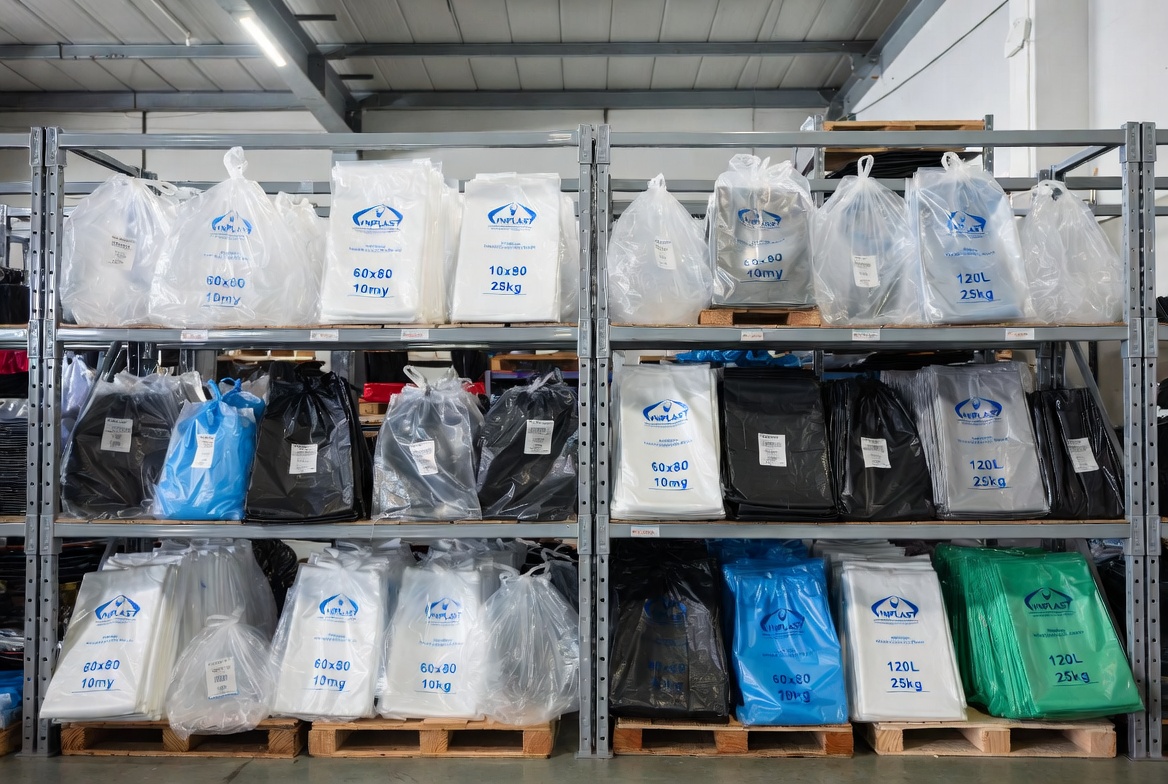
a warehouse shelf displaying rows of clear and colored VNPLAST plastic trash bags, each labeled with size and strength specifications
What Exactly Is a Plastic Trash Bag?
A plastic trash bag is a flexible container made from polymer films such as low‑density polyethylene (LDPE) or high‑density polyethylene (HDPE). It is designed to hold waste, protect surfaces, and simplify disposal. VNPLAST produces a range of bags, from lightweight refuse sack plastic bags to heavy‑duty hazardous plastic garbage sacks.
Key Types of Plastic Trash Bags
- Standard Household Bags – 30‑50 L, thin LDPE, suitable for kitchen and bathroom waste.
- Heavy‑Duty Commercial Bags – 60‑100 L, thicker HDPE, used in restaurants, offices, and retail.
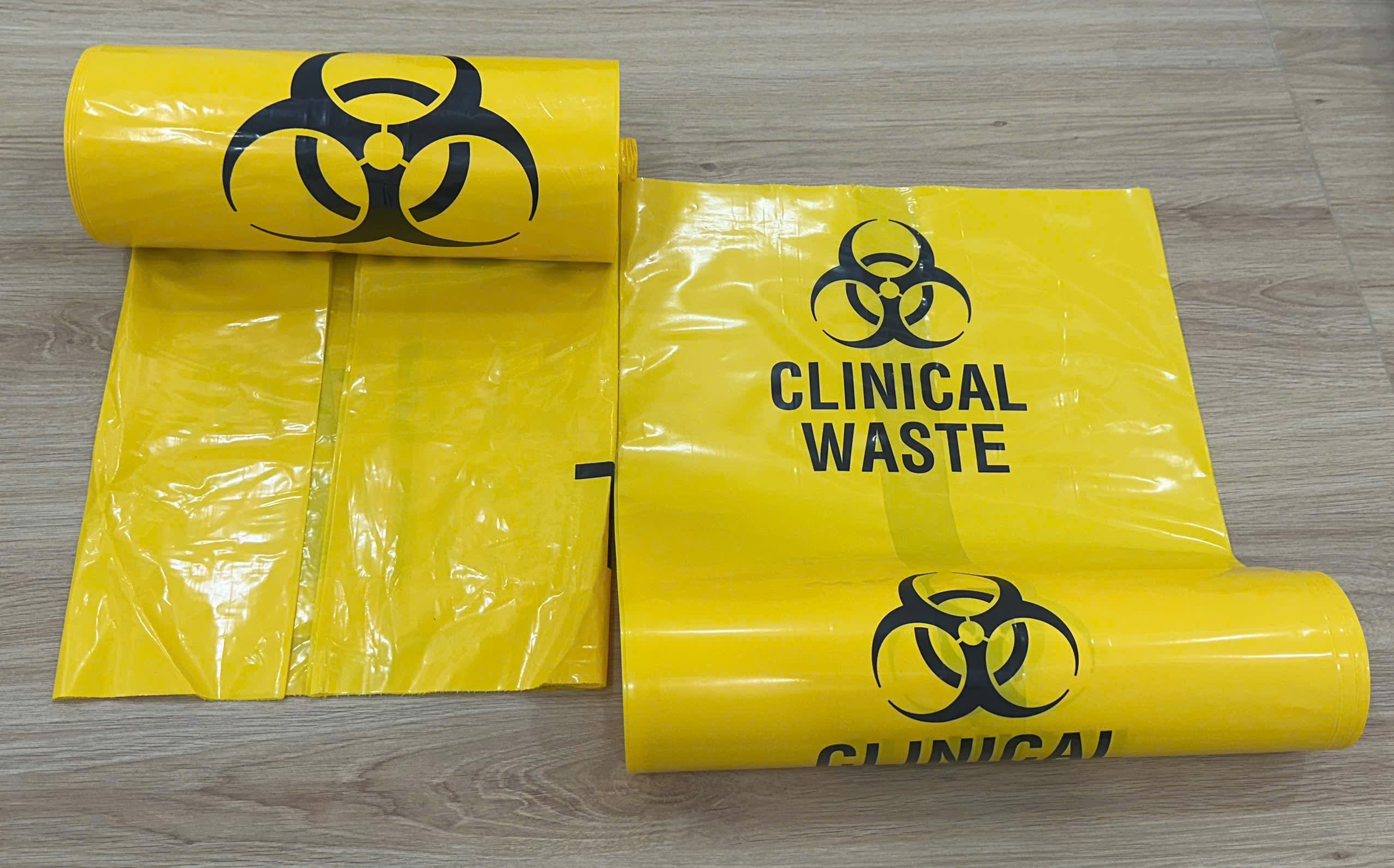
- Hazardous Waste Bags – 30‑70 L, puncture‑resistant, often with a sealable tie for chemicals or medical waste.
- Food‑Safe Plastic Bags – FDA‑approved, low‑odor, used for food waste or direct contact with food residues.
- Recycled Plastic Bags – Made from post‑consumer plastic, lower carbon footprint, compatible with most waste streams.
Decision Factors: How to Choose the Best Plastic Trash Bag
Use the checklist below to evaluate the most important attributes for your situation.
- Load Capacity – Match bag volume (liters) to the typical waste amount per collection.
- Material Thickness (Mil) – 1 mil for light waste, 3 mil+ for heavy or sharp objects.
- Seal Type – Drawstring, twist tie, or flat seal for secure closure.
- Resistance Features – Puncture‑resistant, tear‑proof, or chemical‑resistant coatings.
- Environmental Rating – Recycled content, biodegradable additives, or recyclability after use.
- Regulatory Compliance – Food‑grade certification, hazardous waste labeling, or local disposal rules.
Quick Selection Checklist
- ✅ Determine average waste volume per bin.
- ✅ Identify any sharp or heavy items (e.g., broken glass, metal scraps).
- ✅ Check if waste includes food residues or chemicals.
- ✅ Choose a bag with appropriate thickness and seal.
- ✅ Prefer recycled or reusable options when sustainability is a priority.
Side‑by‑Side Comparison: Common VNPLAST Plastic Trash Bag Options
| Bag Type | Size (Liters) | Material | Thickness (Mil) | Key Use Case | Price per 100 pcs (USD) |
|---|---|---|---|---|---|
| Standard Household | 30 L | LDPE | 1.2 | Kitchen, bathroom | 8.50 |
| Commercial Heavy‑Duty | 80 L | HDPE | 3.5 | Restaurant, office | 15.20 |
| Hazardous Waste | 50 L | HDPE + chemical‑resistant coating | 4.0 | Medical, laboratory | 22.00 |
| Food‑Safe Bag | 40 L | LDPE (FDA‑approved) | 1.5 | Food waste, catering | 9.80 |
| Recycled Plastic Bag | 60 L | Recycled HDPE | 2.8 | Eco‑conscious businesses | 12.30 |
Real‑World Use Cases
Home Kitchen Cleanup
For daily food scraps, a 30 L standard household bag with a drawstring seal prevents odors and spills. Pair it with a hand stretch film to wrap bulky items before discarding.
Restaurant Waste Management
Restaurants generate heavier waste, including grease‑soaked containers. A 80 L commercial heavy‑duty bag with a reinforced seam handles the load without tearing. Use die cut bag plastic for pre‑cut sizes that fit standard kitchen bins.
Industrial Hazardous Disposal
Facilities dealing with chemicals need a hazardous plastic garbage bag featuring a puncture‑resistant layer and a secure tie‑off. Always store these bags in a locked, ventilated area before final disposal.
Eco‑Friendly Office
Switch to recycled plastic bags for office waste. They meet most municipal recycling rules and reduce the carbon footprint of your waste stream.
Environmental Impact and Sustainable Practices
While plastic trash bags are indispensable, their environmental impact can be mitigated:
- Choose Recycled Content – VNPLAST’s recycled HDPE bags contain up to 30 % post‑consumer material.
- Implement a Reuse Cycle – For non‑hazardous waste, consider reusable liners that can be emptied and washed.
- Proper Disposal – Separate bags destined for recycling from those that must go to landfill.
- Educate Staff – Clear signage on bag types reduces contamination and improves recycling rates.
Installation and Handling Tips
- Fit the bag snugly over the bin rim to prevent slipping.
- Do not overfill; leave at least 10 % headspace for sealing.
- For heavy loads, double‑bag to avoid tears.
- Seal with the built‑in drawstring or tie before removal.
- Dispose of sealed bags according to local regulations.
Frequently Asked Questions
What thickness is best for a kitchen trash bag?
A thickness of 1.0‑1.5 mil (LDPE) is sufficient for typical food waste. Choose a thicker bag if you regularly dispose of sharp or heavy items.
Can I recycle used plastic trash bags?
Many municipalities accept clean, dry plastic bags in recycling programs, but contaminated bags (e.g., with food residue) usually must go to landfill. Check local guidelines.
Are hazardous plastic garbage bags required for all chemical waste?
Yes, when dealing with corrosive, toxic, or biohazardous materials, use bags specifically rated for hazardous waste. They provide puncture resistance and secure sealing.
How do I store plastic trash bags to extend their shelf life?
Keep bags in a cool, dry place away from direct sunlight. UV exposure can degrade the polymer, reducing strength.
What is the difference between a refuse sack plastic bag and a garbage plastic bag?
Both terms are often used interchangeably, but “refuse sack” typically refers to larger, heavy‑duty bags for commercial use, while “garbage plastic bag” may denote standard household sizes.
Conclusion
Selecting the right plastic trash bag hinges on understanding load capacity, material strength, seal type, and environmental considerations. VNPLAST offers a full spectrum—from lightweight household liners to robust hazardous waste sacks—allowing you to match the product precisely to the task. By applying the checklist, comparing specifications, and following proper handling practices, you can reduce waste‑related disruptions, protect your facilities, and support sustainability goals.