When you search for “plastic trash bags,” you expect clear guidance on which bag fits your needs, how to evaluate durability, and what environmental considerations matter. This article answers those questions within the first few sentences: plastic trash bags are flexible, waterproof containers designed to hold waste, and selecting the right type depends on size, thickness, closure style, and intended use. Below, VNPLAST breaks down the key factors, compares popular options, and provides actionable checklists so you can buy with confidence.
Understanding Plastic Trash Bag Specifications
Every plastic trash bag is defined by a set of measurable specifications. Knowing these helps you match a bag to a specific task.
Size and Capacity
- Width & Length: Determines the bag’s ability to fit different bins (e.g., 12 × 18 inches for kitchen cans, 30 × 40 inches for commercial containers).
- Volume Rating: Expressed in gallons or liters; a 13‑gallon bag is typical for household use, while 55‑gallon bags serve industrial refuse.
Material Thickness (Mil)
- Thin bags (0.8 – 1.2 mil) are cost‑effective for light waste.
- Medium bags (1.5 – 2.0 mil) handle mixed household trash.
- Heavy‑duty bags (2.5 – 4.0 mil) are required for sharp objects, construction debris, or hazardous waste.
Closure Types
- Drawstring: Easy pull‑tight seal; ideal for indoor bins.
- Twist‑Tie: Reusable tie; common in commercial kitchens.
- Flat Seal: Simple fold‑over; used for bulk waste.
Key Decision Factors for Selecting Plastic Trash Bags
Below is a practical checklist you can use when evaluating vendors, including VNPLAST’s product line.
Checklist: Choosing the Best Plastic Trash Bag
- Identify the bin size and required volume.
- Determine the waste type (dry, wet, sharp, hazardous).
- Select appropriate thickness (mil) for durability.
- Choose a closure method that matches user workflow.
- Confirm compliance with local recycling or hazardous‑waste regulations.
- Compare price per bag versus performance (look for bulk discounts).
- Check for certifications (e.g., ISO 9001, REACH compliance).
Product Comparisons: VNPLAST’s Core Offerings
VNPLAST provides a range of specialized bags that address distinct market needs. The table below highlights the main differences.
Comparison Matrix
| Product | Typical Thickness | Best Use Case | Special Feature |
|---|---|---|---|
| Standard Refuse Sack Plastic Bag | 1.2 mil | Household waste | Low‑cost, biodegradable blend |
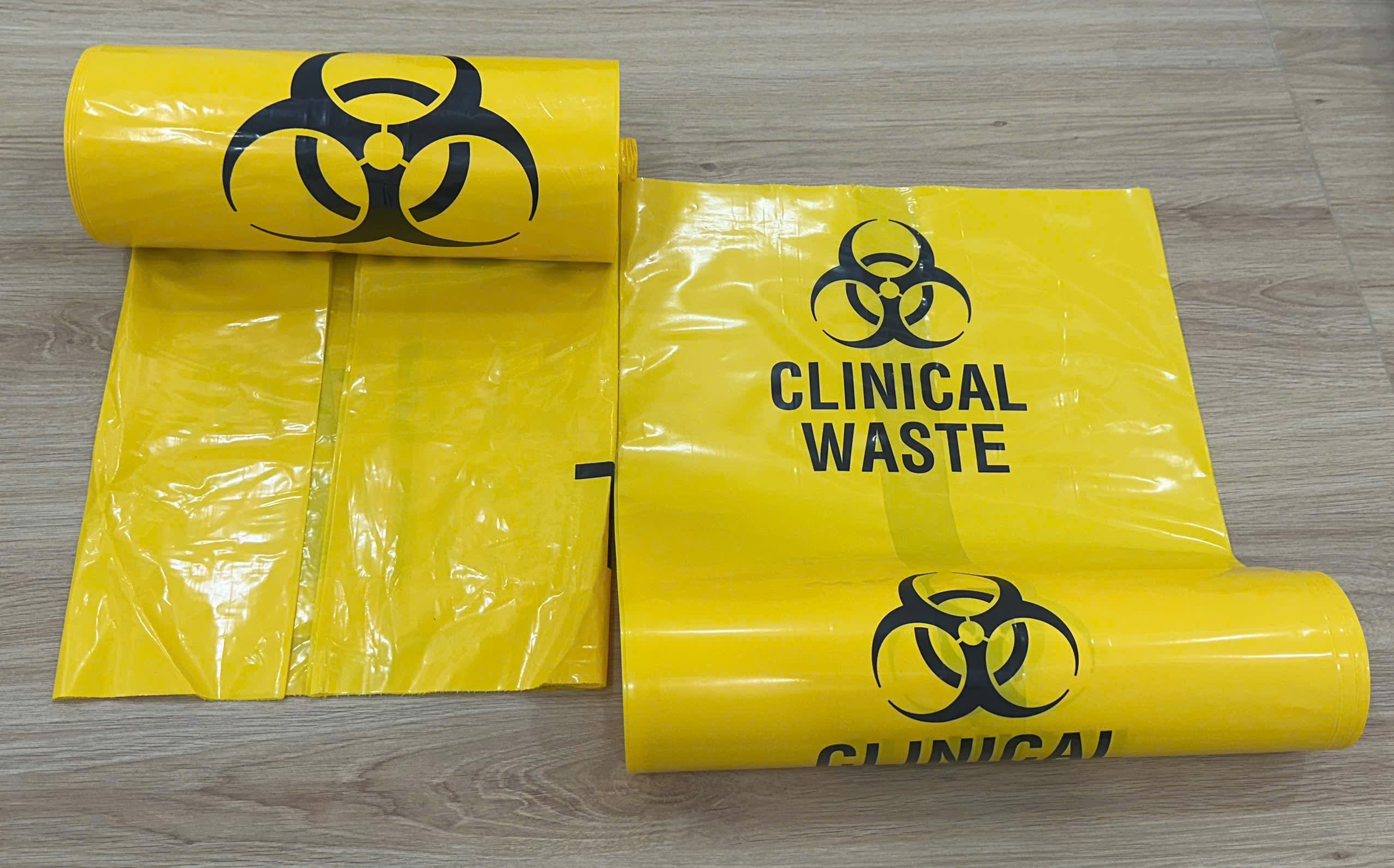
| Hazardous Plastic Garbage Bag | 3.0 mil | Medical or chemical waste | Puncture‑resistant, leak‑proof |
| Food Plastic Bag | 1.5 mil | Food‑service kitchens | Food‑grade HDPE, odor barrier |
| Die Cut Bag Plastic | 2.0 mil | Retail packaging | Pre‑scored for easy opening |
| Hand Stretch Film | 0.5 mil (film) | Wrapping pallets | High tensile strength, stretchability |
Real‑World Use Cases
Understanding how different industries employ plastic trash bags helps you see the practical impact of each specification.
Residential Kitchens
- Use 13‑gallon, 1.2 mil drawstring bags for everyday food waste.
- Choose bags with a built‑in odor barrier to keep kitchens fresh.
Construction Sites
- Opt for 55‑gallon, 3.5 mil heavy‑duty bags to contain nails, wood scraps, and concrete residue.
- Flat‑seal closure simplifies stacking and transport.
Medical Facilities
- Hazardous Plastic Garbage Bags (3 mil, puncture‑resistant) meet bio‑hazard disposal standards.
- Color‑coded (e.g., red) for quick identification.
Environmental Considerations and Recycling Options
While plastic trash bags provide essential functionality, their environmental impact cannot be ignored. VNPLAST offers recycled‑content options and guidance on proper disposal.
- Recycled Plastic Bag: Contains up to 30 % post‑consumer HDPE, reducing virgin material use.
- Biodegradable Additives: Certain bags break down faster under industrial composting conditions.
- End‑of‑Life Management: Separate clean, dry bags for recycling; avoid mixing with contaminated waste.
Cost‑Effectiveness: How to Get the Best Value
Price per bag is only part of the equation. Consider total cost of ownership (TCO) by factoring in bag failures, waste spillage, and labor.
- Bulk Purchasing: VNPLAST’s tiered pricing reduces per‑bag cost by up to 25 % for orders over 10,000 units.
- Durability Savings: Investing in a thicker bag can lower replacement frequency and reduce waste handling incidents.
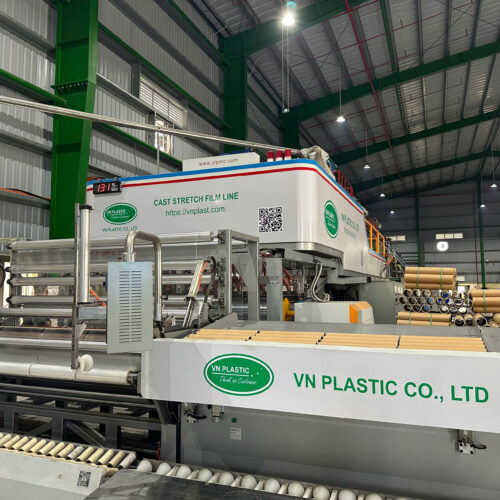
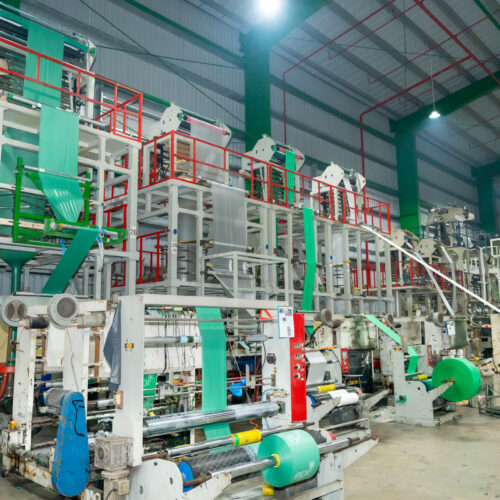
- Supply Chain Reliability: Local production in Vietnam ensures faster lead times and lower shipping emissions.
Frequently Asked Questions
What thickness should I choose for kitchen waste?
For typical household food waste, a 1.2 – 1.5 mil bag with a drawstring closure offers a balance of cost and durability.
Can plastic trash bags be recycled?
Yes, if the bag is clean and made of HDPE or LDPE, it can be placed in the appropriate recycling stream. VNPLAST’s recycled‑content bags are designed for this purpose.
Are there special bags for hazardous waste?
Hazardous Plastic Garbage Bags are reinforced (≥3 mil) and often feature puncture‑resistant layers and color coding to meet regulatory standards.
How do I prevent bag tears when disposing of sharp objects?
Choose a heavy‑duty bag (≥2.5 mil) with a flat‑seal closure and double‑bag if the waste includes large, sharp items.
What is the advantage of die‑cut bags over regular trash bags?
Die‑cut bags are pre‑scored for easy opening and are ideal for retail packaging where quick access is essential.
Conclusion
Selecting the right plastic trash bag hinges on understanding size, thickness, closure type, and the specific waste you’ll handle. VNPLAST’s diverse portfolio—from standard refuse sacks to specialized hazardous bags—covers every scenario, while recycled‑content options help you meet sustainability goals. Use the provided checklist and comparison matrix to evaluate your needs, balance cost against durability, and ensure compliance with local regulations. By applying these insights, you’ll reduce waste spillage, improve operational efficiency, and make an environmentally responsible choice.