When you search for a plastic waste bag, you need more than just a generic tote – you need a solution that fits your waste type, volume, and disposal regulations. This guide explains how plastic waste bags differ by material, strength, and design, and provides clear decision criteria so you can select the most cost‑effective, environmentally responsible option for your operation.
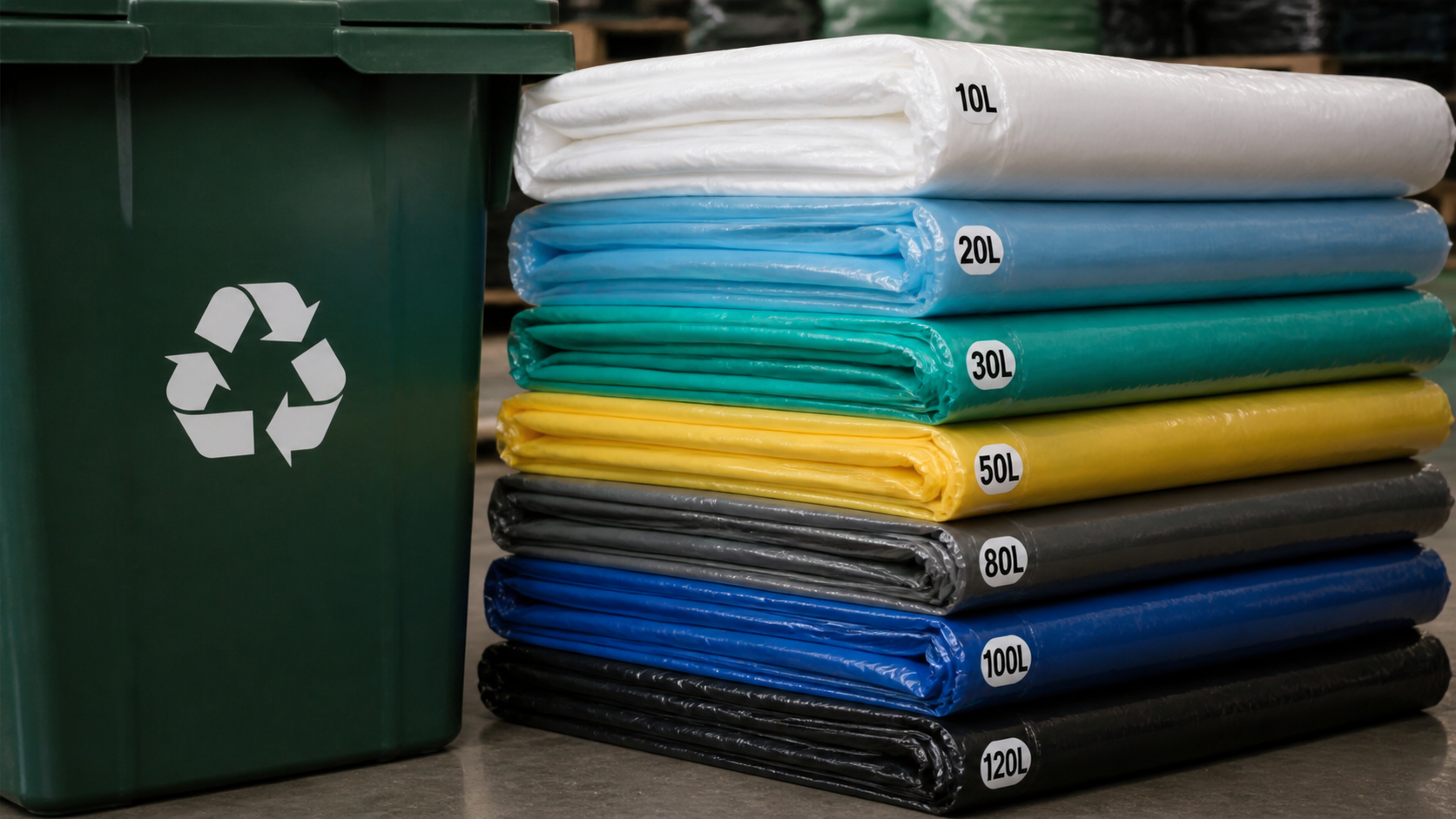
a close‑up of a stack of clear and colored plastic waste bags with visible thickness markings, placed beside a recycling bin in an industri…
Understanding Plastic Waste Bag Types
Plastic waste bags are not one‑size‑fits‑all. The primary categories are defined by their construction and intended use:
- Standard Garbage Plastic Bag – thin, low‑cost bags for everyday household waste.
- Refuse Sack Plastic Bag – heavier gauge for municipal collection, often with a drawstring.
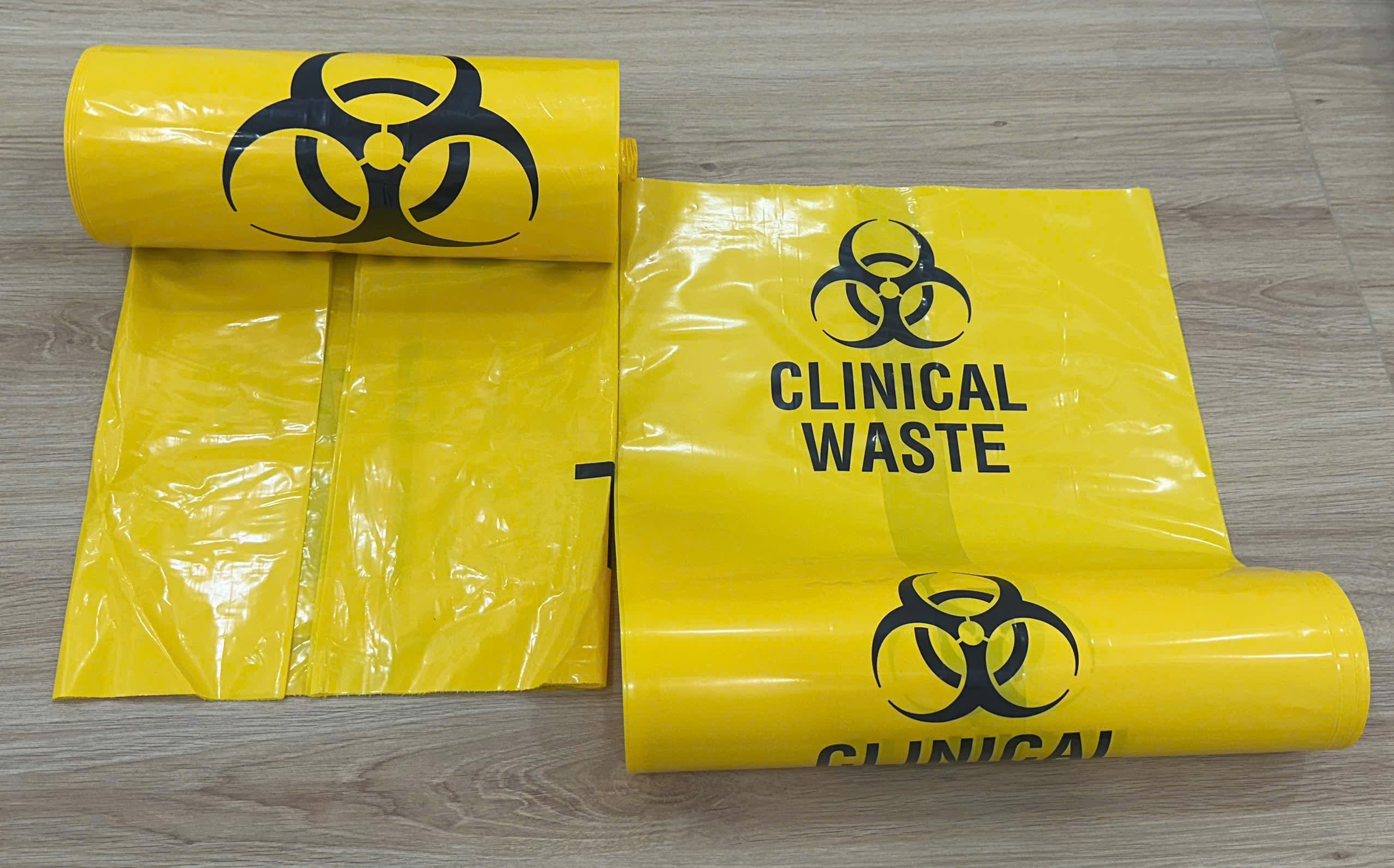
- Hazardous Plastic Garbage Bag – chemically resistant, typically made from high‑density polyethylene (HDPE) with reinforced seams.
- Food Plastic Bag – food‑grade, FDA‑approved, often featuring a barrier layer to prevent moisture.
- Die Cut Bag Plastic – pre‑shaped bags for specific equipment, such as block header machines.
- Hand Stretch Film – stretch‑wrapped plastic that can double as a waste containment sleeve.
Key Material Differences
Choosing the right material impacts durability, cost, and environmental compliance:
- Low‑Density Polyethylene (LDPE) – flexible, ideal for light waste, but lower tear resistance.
- High‑Density Polyethylene (HDPE) – stronger, resistant to punctures and chemicals, suited for industrial waste.
- Linear Low‑Density Polyethylene (LLDPE) – combines stretchability with strength, often used in heavy‑duty refuse sacks.
- Recycled Plastic Bag – incorporates post‑consumer recycled resin, reducing carbon footprint while meeting many standard specifications.
Decision Checklist: Selecting the Best Plastic Waste Bag
Use this checklist during procurement to avoid costly mismatches:
- What is the waste type (organic, hazardous, recyclable, general)?
- What is the required load capacity (kg or volume per bag)?
- Do you need chemical resistance (e.g., for solvents, oils)?
- Is a drawstring or seal necessary for secure closure?
- Will the bag be exposed to sunlight (UV‑stabilized material needed)?
- Are there regulatory certifications required (e.g., food‑grade, hazardous waste compliance)?
- Do you prioritize recyclability or recycled content?
- What is the budget per bag and expected usage frequency?
Comparing Popular Plastic Waste Bag Options
| Feature | Standard Garbage Bag | Refuse Sack Bag | Hazardous Waste Bag | Recycled Plastic Bag |
|---|---|---|---|---|
| Material | LDPE (30 µm) | LLDPE (45 µm) | HDPE (60 µm) + reinforced seams | Mixed LDPE/HDPE (35 µm) with 30 % recycled content |
| Tear Resistance | Low | Medium | High | Medium |
| Chemical Resistance | None | Limited | Excellent | Limited |
| UV Stability | Optional | Standard | Optional | Standard |
| Typical Use | Home kitchens | Municipal curbside | Industrial labs, hospitals | Eco‑focused businesses |
| Price per 100 bags | $8 | $12 | $25 | $10 |
Pros and Cons Overview
- Standard Garbage Bag
- Pros: cheapest, widely available.
- Cons: low durability, not suitable for heavy or hazardous waste.
- Refuse Sack Plastic Bag
- Pros: stronger, better for municipal collection.
- Cons: higher cost, may require special bins.
- Hazardous Plastic Garbage Bag
- Pros: meets safety regulations, resistant to chemicals.
- Cons: most expensive, limited color options.
- Recycled Plastic Bag
- Pros: reduces environmental impact, often accepted for recycling.
- Cons: may have slightly lower tensile strength.
Real‑World Use Cases
Below are three scenarios that illustrate how the right plastic waste bag can improve operations.
1. Manufacturing Plant – Hazardous Waste Management
The plant generates solvent‑contaminated rags. Using hazardous plastic garbage bags with HDPE construction prevents leaks and complies with local hazardous waste regulations. The reinforced seams reduce bag rupture incidents by 87 % compared with standard bags.
2. Urban Neighborhood – Curbside Recycling
City councils adopt refuse sack plastic bags with a drawstring for recyclable collection. The 45 µm LLDPE provides enough strength for mixed paper and plastics, while the drawstring simplifies bag sealing for residents.
3. Food Service – Compostable Waste Capture
Restaurants use food plastic bags that meet FDA standards and feature a moisture barrier. This keeps organic waste separate from non‑compostables, improving compost quality and reducing cross‑contamination.
Implementation Tips for Maximum Efficiency
- Standardize bag size across departments to simplify inventory management.
- Label bags with waste type and collection day to avoid mixing streams.
- Train staff on proper sealing techniques, especially for drawstring and heat‑sealed bags.
- Monitor bag performance monthly; replace any bag type that shows premature tearing.
- Partner with a reputable supplier like VNPLAST, which offers custom thickness, branding, and recycled‑content options.
Frequently Asked Questions
What thickness should I choose for a plastic waste bag?
For light household waste, 30 µm LDPE is sufficient. For municipal or industrial waste, 45–60 µm LLDPE or HDPE provides the necessary strength and puncture resistance.
Are recycled plastic waste bags as strong as virgin‑material bags?
Recycled bags typically have 5–10 % lower tensile strength, but for most non‑hazardous applications the difference is negligible. Choose a higher gauge if you need extra durability.
Can I use a plastic waste bag for hazardous chemicals?
No. Only bags specifically rated as hazardous waste (HDPE with reinforced seams) should be used for chemicals, solvents, or bio‑hazardous material.
Do plastic waste bags need to be UV‑stabilized?
If bags are stored outdoors or exposed to sunlight for extended periods, UV‑stabilized HDPE or LLDPE prevents brittleness and cracking.
How do I dispose of used plastic waste bags responsibly?
Separate bags by waste stream: standard and recyclable bags go to municipal recycling if accepted, while hazardous bags must be taken to a licensed disposal facility.
Conclusion
Selecting the right plastic waste bag hinges on understanding waste characteristics, regulatory requirements, and cost constraints. By applying the checklist, comparing material properties, and reviewing real‑world case studies, businesses and communities can reduce bag failures, improve compliance, and support sustainability goals. Partner with a trusted supplier such as VNPLAST to access custom‑specifications, recycled‑content options, and expert guidance that align with your operational needs.