When you search for “trash bag size,” you’re looking for the perfect fit between capacity, durability, and cost. Selecting the correct size prevents spills, reduces the number of bag changes, and ensures compliance with safety standards—especially when dealing with specialized bags such as hazardous plastic garbage or food plastic bag applications. This guide explains how to match trash bag dimensions to your specific needs, compares common sizes, and provides a practical checklist so you can buy with confidence.
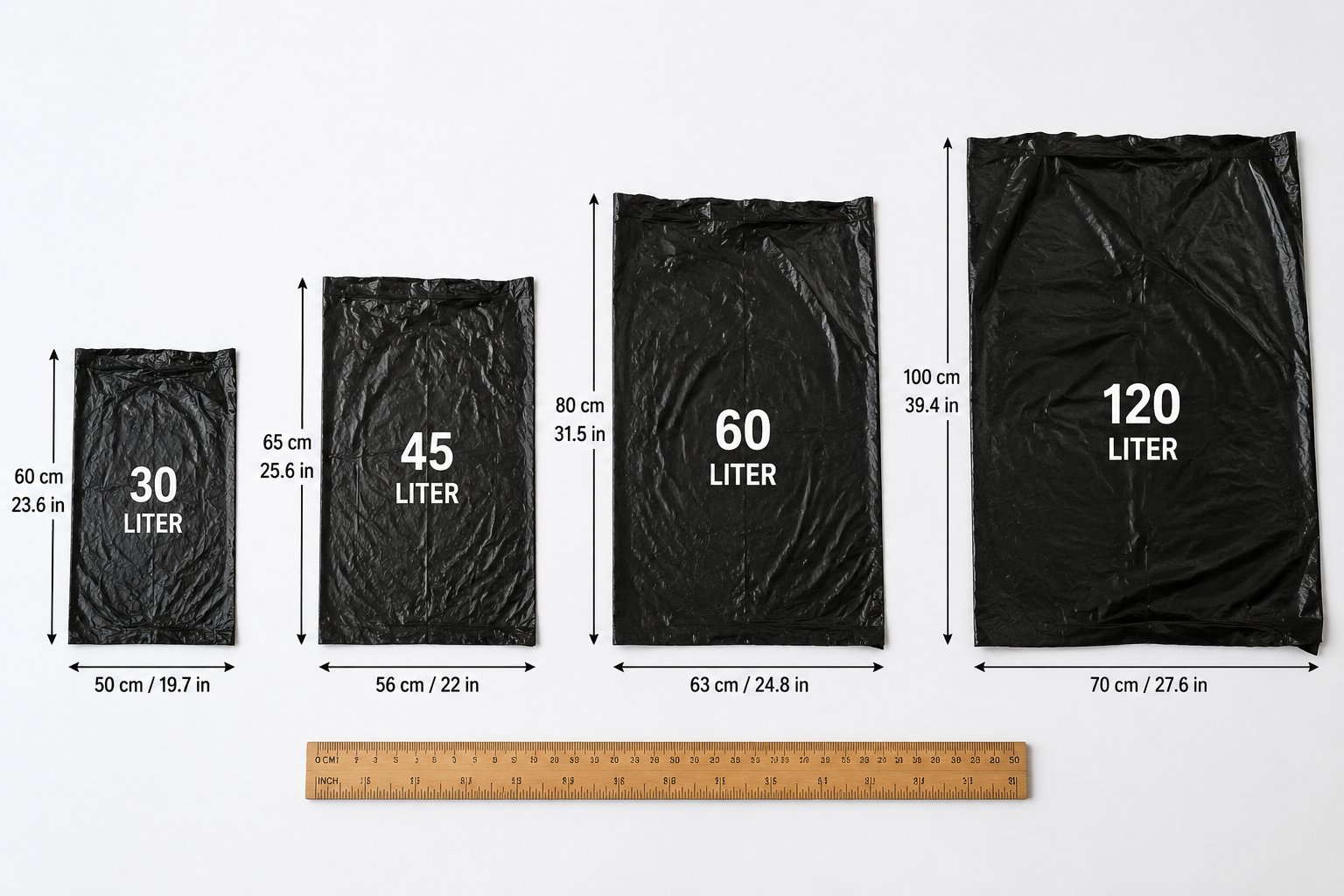
A close‑up of a variety of plastic trash bags laid out on a white surface, showing clear measurements on each bag, including 30‑liter, 45‑l…
Understanding Trash Bag Dimensions
Trash bag size is expressed in two ways: capacity (liters or gallons) and physical dimensions (width × depth × height). Both metrics matter because a bag that holds 60 L might be too narrow for a wide container, leading to tearing.
Key Measurement Terms
- Capacity: The total volume the bag can hold, usually listed in liters (L) or gallons (gal).
- Width: The horizontal span of the bag when laid flat, measured in centimeters (cm) or inches (in).
- Depth: The distance from the top edge to the bottom when the bag is open, also in cm or in.
- Height (or Length): The length of the bag from the top opening to the sealed end, determining how far it can be stretched into a container.
Common Trash Bag Sizes and Their Ideal Uses
Below is a quick reference that matches size categories with typical applications. Choose the size that aligns with the container volume and the type of waste you handle.
- 30 L (8 gal) – Small Kitchen or Bathroom Bins: Ideal for compact bins, easy to tie, and suitable for light household waste.
- 45 L (12 gal) – Standard Kitchen Bins: Fits most 13‑gal kitchen trash cans, balances capacity and maneuverability.
- 60 L (16 gal) – Office or Small Commercial Bins: Works well with 20‑gal office containers and can handle mixed paper and packaging.
- 90 L (24 gal) – Large Commercial Bins: Perfect for cafeteria waste stations, recycling stations, or larger office trash cans.
- 120 L (32 gal) – Industrial Refuse Sacks: Designed for heavy‑duty waste, construction debris, or hazardous plastic garbage.
Factors That Influence the Right Trash Bag Size
Container Volume vs. Bag Capacity
Never rely solely on the bag’s stated capacity. Measure the container’s internal dimensions and compare them to the bag’s width, depth, and height. A 60 L bag with a narrow width may not fit a wide 60 L trash can, causing the bag to stretch thin and tear.
Waste Type and Weight
Heavier waste (e.g., wet food waste, construction debris) requires stronger material and often a larger size to distribute weight evenly. For hazardous plastic garbage, select bags labeled “high‑tensile” or “hazardous plastic garbage” with reinforced seams.
Frequency of Change
If you empty bins daily, a smaller bag reduces waste from partially filled bags. For weekly pickups, a larger bag minimizes the number of replacements.
Environmental Considerations
When possible, opt for recycle plastic bag options or biodegradable alternatives. Choosing the correct size also reduces unnecessary plastic consumption.
Decision Checklist: Selecting the Optimal Trash Bag Size
- Measure the container’s width, depth, and height.
- Determine the average fill volume per collection cycle.
- Identify waste type (dry, wet, hazardous, food‑grade).
- Select material strength (standard, high‑tensile, food‑grade).
- Choose a size that exceeds the container’s volume by 10‑15 % to allow for expansion.
- Confirm compliance with local waste‑handling regulations.
Comparing Popular VNPLAST Trash Bag Products
VNPLAST offers a range of specialized bags that cater to distinct needs. Below is a concise comparison of four flagship products.
- Hand Stretch Film: Ideal for wrapping irregularly shaped waste, provides extra stretch for tight fits.
- Die Cut Bag Plastic: Pre‑cut to exact dimensions, reduces material waste and speeds up bag placement.
- Refuse Sack Plastic Bag: Heavy‑duty, reinforced seams for construction and industrial waste.
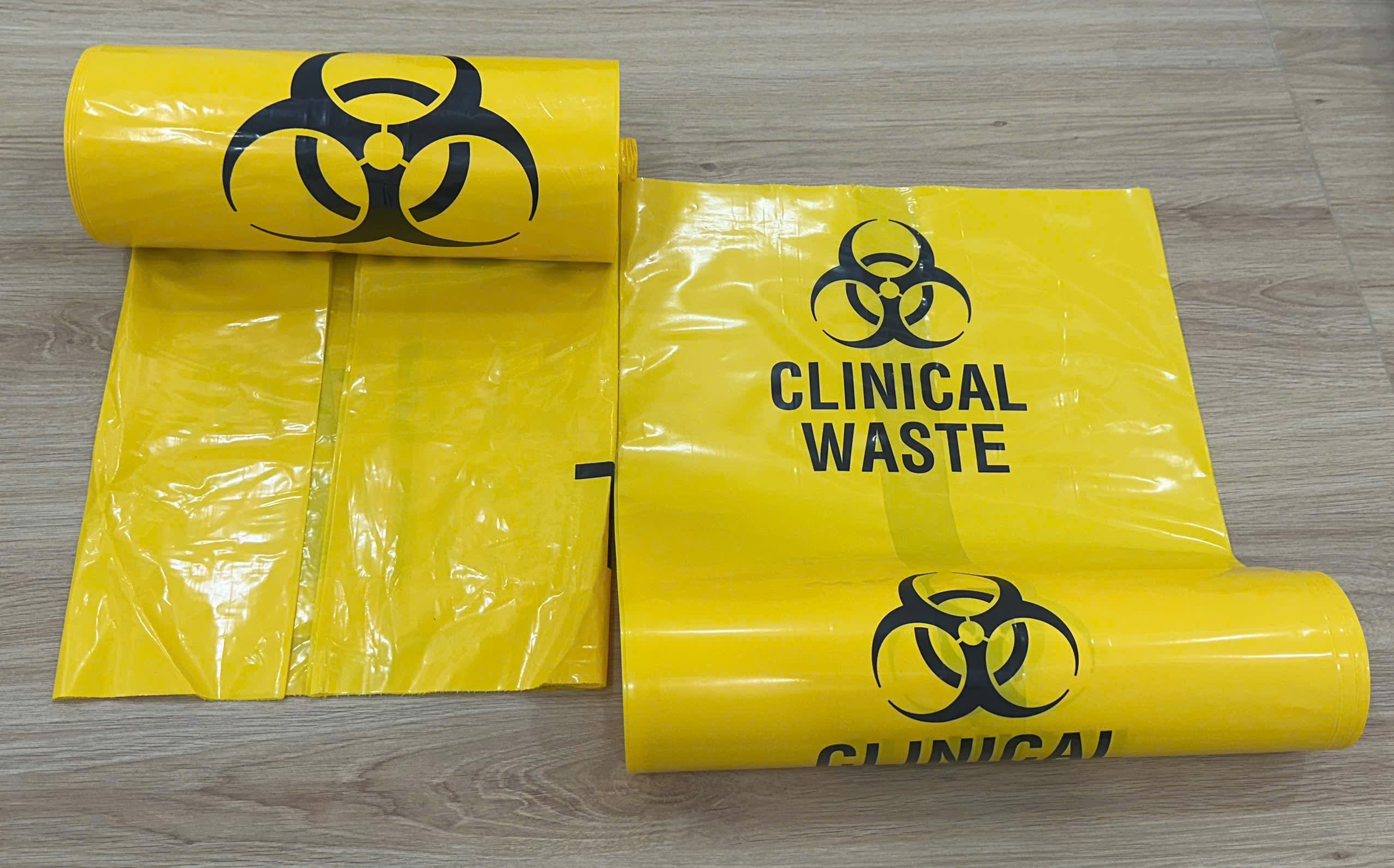
- Hazardous Plastic Garbage: Meets safety standards for chemical or medical waste, includes leak‑proof seals.
Real‑World Use Cases
Understanding how size translates to performance in actual settings helps avoid costly mistakes.
Food Service Facility
A cafeteria with 90 L bins uses 90 L food plastic bags. The bags are designed to resist grease and moisture, preventing leaks onto the floor. Selecting a bag with a 95 L capacity ensures a 5 % buffer for unexpected overflow during peak lunch hours.
Construction Site
For daily debris removal, a 120 L refuse sack plastic bag is paired with a 100 L container. The extra 20 L capacity accommodates bulky items like broken bricks, while the high‑tensile material resists punctures from sharp objects.
Medical Laboratory
Hazardous plastic garbage bags with a 30 L capacity are used for biohazard waste. The bags feature a double‑seal closure and are sized to fit standard biohazard containers, ensuring compliance with safety protocols.
Pros and Cons of Selecting Larger vs. Smaller Trash Bag Sizes
- Larger Bags
- Pros: Fewer bag changes, better for heavy or bulky waste, reduced risk of overflow.
- Cons: Higher material cost, may be difficult to tie, can sag in smaller containers.
- Smaller Bags
- Pros: Lower cost per bag, easier to handle, less plastic waste when bins are emptied frequently.
- Cons: More frequent changes, higher risk of overfilling, may not accommodate sudden spikes in waste volume.
How to Properly Install a Trash Bag to Maximize Performance
- Place the bag inside the container, ensuring the opening aligns with the container’s rim.
- Pull the bag’s top edge over the rim and smooth any wrinkles to prevent tearing.
- Secure the bag with a tie, twist‑lock, or built‑in drawstring, depending on the bag type.
- For heavy‑duty bags, add a secondary seal (e.g., a zip‑lock or heat seal) for extra protection.
- Label the bag if it contains hazardous or food‑grade waste to aid compliance.
Frequently Asked Questions
What trash bag size should I use for a 13‑gallon kitchen bin?
Choose a 45 L (12 gal) or 60 L (16 gal) bag. The 45 L fits snugly, while the 60 L provides a small overflow buffer for occasional extra waste.
Are high‑tensile trash bags necessary for construction debris?
Yes. Construction waste often includes sharp or heavy items that can puncture standard bags. High‑tensile or refuse sack plastic bags with reinforced seams are recommended.
Can I use a food plastic bag for regular household trash?
Food plastic bags are designed to resist grease and moisture, making them over‑engineered for typical dry household waste. While they will work, they are more expensive than standard kitchen bags.
How do I determine the correct bag size for a recycling station?
Measure the station’s bin dimensions and calculate its volume. Then select a bag with a capacity 10‑15 % higher than that volume. For mixed paper and plastics, a 60 L bag often balances capacity and durability.
Is there a benefit to using die‑cut bags over regular roll bags?
Die‑cut bags are pre‑shaped to exact dimensions, reducing material waste and speeding up placement. They are especially useful for high‑volume operations where consistency matters.
Conclusion
Choosing the right trash bag size is more than a matter of convenience—it impacts operational efficiency, cost, and safety. By measuring your containers, understanding waste characteristics, and selecting the appropriate VNPLAST product, you can eliminate spills, reduce bag changes, and stay compliant with environmental regulations. Use the checklist above to evaluate each factor, and reference the comparison tables when deciding between standard, high‑tensile, or specialty bags. With the right trash bag size, your waste management process becomes smoother, greener, and more reliable.