Businesses looking for a distinctive packaging solution often turn to custom die cut bags. These bags are precisely shaped to fit the unique dimensions of a product, offering protection, branding, and convenience in one streamlined package. Whether you need a recyclable food‑grade bag, a hazardous waste container, or a high‑visibility garbage sack, understanding the design options, material choices, and supplier criteria will help you make a cost‑effective decision that aligns with your brand and regulatory needs.
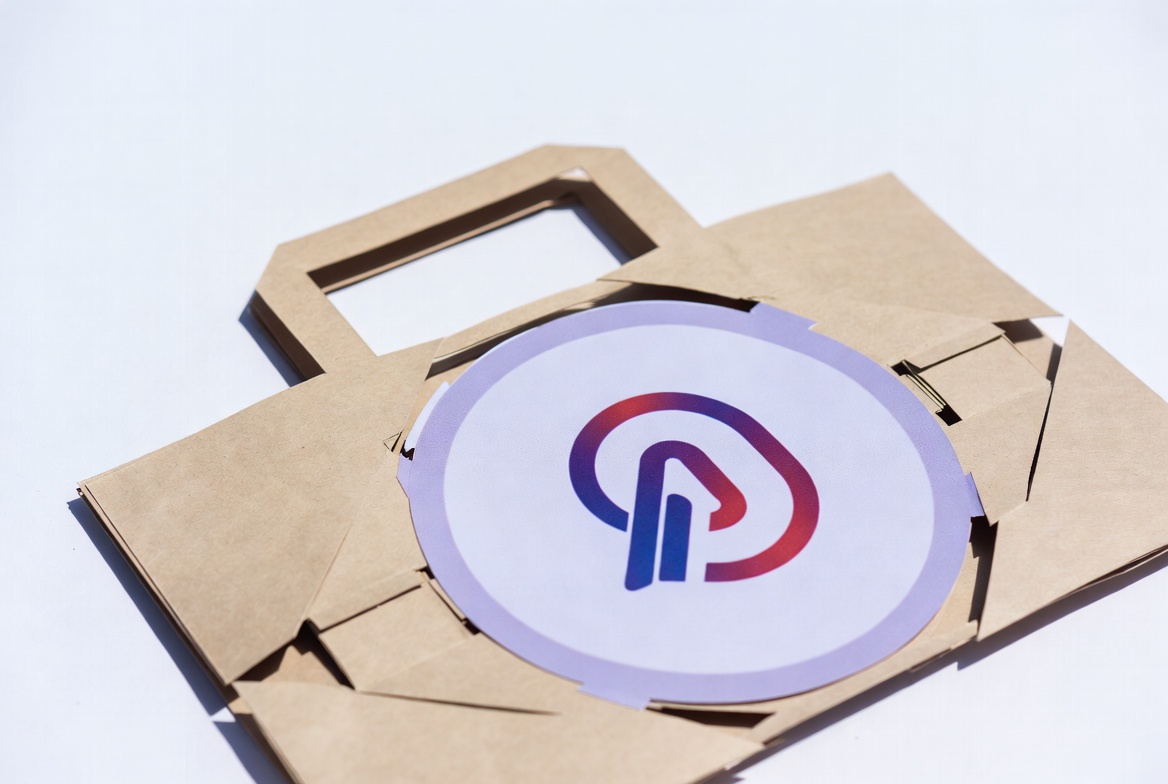
close‑up of a custom die cut bag with a unique geometric shape, showing the cut edges, printed logo, and a sturdy handle, placed on a white…
Table of Contents
- What Are Custom Die Cut Bags?
- Material Options and Sustainability
- Key Design Elements
- Production Process Overview
- Supplier Selection Checklist
- Cost Comparison Matrix
- Real‑World Use Cases
- FAQ
- Conclusion
What Are Custom Die Cut Bags?
Custom die cut bags are pre‑formed plastic containers created by cutting a flat sheet of film with a die that matches the exact shape required. The process eliminates excess material, reduces waste, and produces a bag that fits the product like a glove. Typical applications include:
- Food packaging – Food Plastic Bag
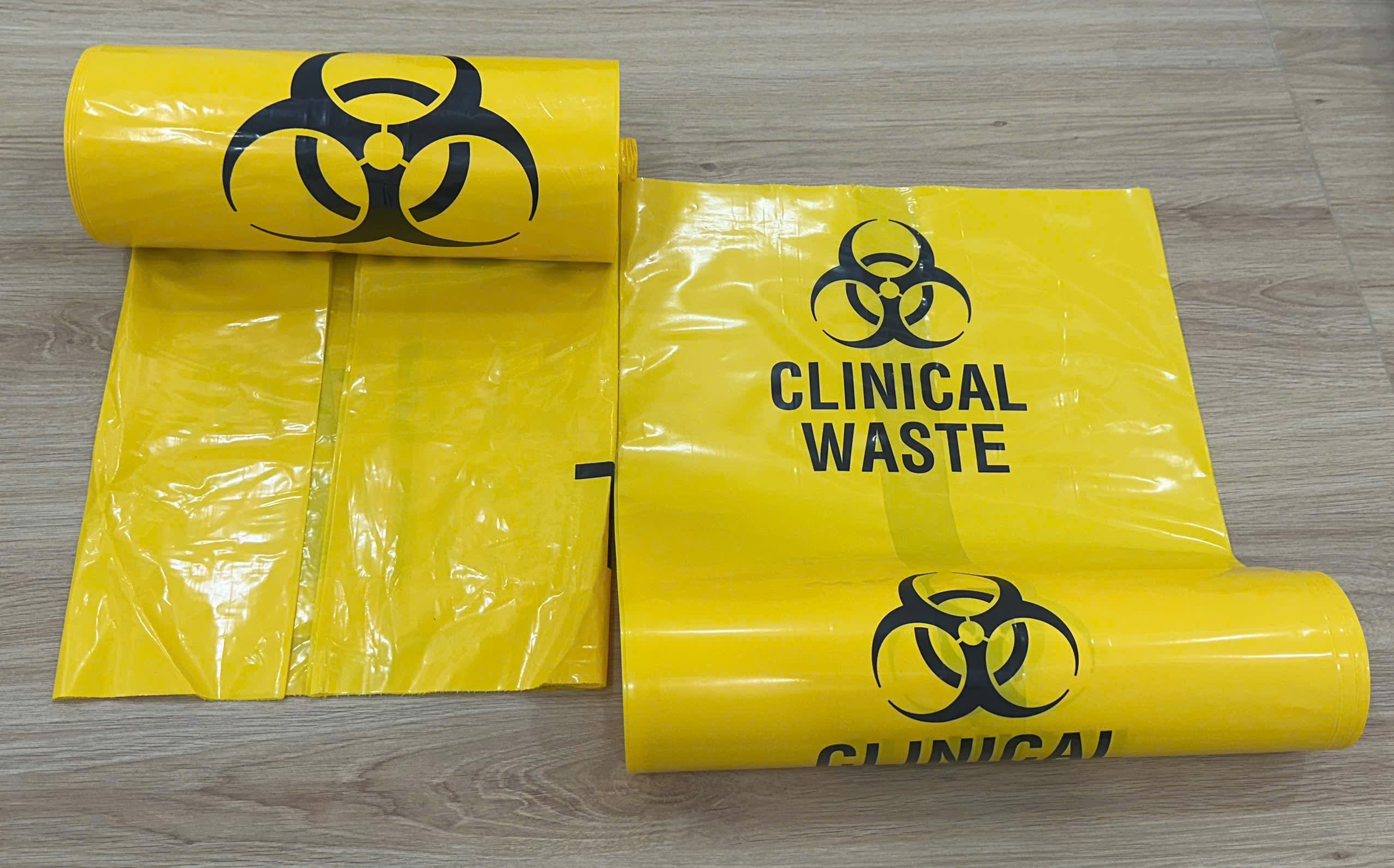
- Industrial waste – Hazardous Plastic Garbage and Refuse Sack Plastic Bag
- Retail merchandising – Block Header Plastic Bag
- Logistics – Hand Stretch Film and Handle Wrap Tool Plastic Bag
Material Options and Sustainability
Choosing the right polymer affects durability, regulatory compliance, and environmental impact. Below is a quick reference of the most common materials used by VNPLAST and similar manufacturers.
| Material | Key Benefits | Typical Use Cases | Recyclability |
|---|---|---|---|
| Low‑Density Polyethylene (LDPE) | Flexibility, low cost, good sealability | Food Plastic Bag, Hand Stretch Film | High (widely accepted) |
| High‑Density Polyethylene (HDPE) | Stiffness, moisture barrier | Garbage Plastic Bag, Block Header Plastic Bag | High |
| Linear Low‑Density Polyethylene (LLDPE) | Superior puncture resistance | Hazardous Plastic Garbage, Refuse Sack Plastic Bag | Medium |
| Recycled Polypropylene (rPP) | Reduced carbon footprint, strong tensile strength | Eco‑friendly custom die cut bags | Very High (post‑consumer content) |
Key Design Elements to Consider
When briefing a supplier, be explicit about the following variables:
- Bag dimensions – Length, width, depth, and handle placement.
- Cut shape – Simple rectangles, tapered ends, or complex contours.
- Printing method – Flexographic, digital, or UV‑cured inks for branding.
- Closure type – Heat seal, zip lock, or drawstring.
- Reinforcement – Gussets, double‑wall construction, or added ribs for heavy loads.
Production Process Overview
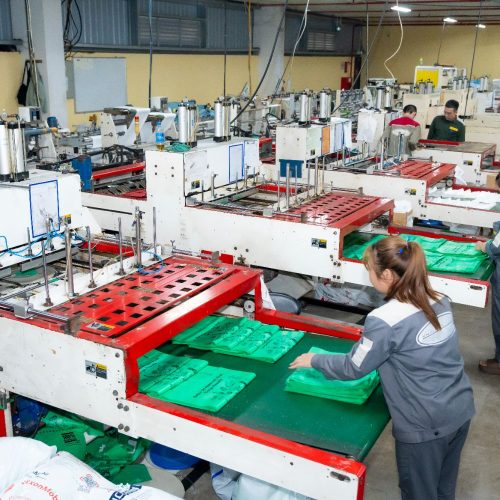
- Die creation – CNC‑machined steel die based on CAD file.
- Film extrusion – Polymer melted and formed into a flat sheet of the specified thickness.
- Printing (optional) – Ink applied before cutting to avoid smudging.
- Die cutting – Sheet passes through the die, producing individual bag blanks.
- Sealing & finishing – Heat‑seal edges, add handles, and perform quality checks.
Supplier Selection Checklist
Use this checklist to evaluate potential manufacturers, including VNPLAST, before placing an order.
- ✅ Compliance certifications – ISO 9001, ISO 14001, and any industry‑specific standards.
- ✅ Material transparency – Full disclosure of polymer grade and recycled content.
- ✅ Sample availability – Physical prototypes before full‑run production.
- ✅ Production capacity – Ability to meet volume spikes without compromising lead time.
- ✅ Cost structure – Clear breakdown of tooling, material, printing, and finishing fees.
- ✅ Environmental policy – Commitment to waste reduction and recycling programs.
Cost Comparison Matrix (per 1,000 units)
| Material | Standard Die Cut Bag | Printed Custom Die Cut Bag | Recycled‑Content Variant |
|---|---|---|---|
| LDPE | $0.45 | $0.68 | $0.55 |
| HDPE | $0.52 | $0.78 | $0.60 |
| LLDPE (high‑strength) | $0.68 | $0.94 | $0.80 |
| rPP (30% recycled) | $0.58 | $0.85 | $0.70 |
Prices are indicative and vary by die complexity, color count, and order volume. VNPLAST typically offers a 5‑10% discount for orders exceeding 50,000 units.
Real‑World Use Cases
Below are three industries where custom die cut bags deliver measurable ROI.
- Food Service – A fast‑food chain switched to a tapered Food Plastic Bag that matches the shape of its burger boxes. The new bag reduced material waste by 12% and improved brand visibility with a full‑wrap print.
- Construction Waste Management – A municipal contractor adopted reinforced Hazardous Plastic Garbage bags with a gusseted bottom. The bags held 30% more debris per load, cutting collection trips by two per day.
- E‑commerce Fulfillment – An online retailer used Custom Die Cut Bags with a built‑in handle wrap tool for small electronics. The design eliminated the need for separate cardboard inserts, saving $0.12 per package.
Frequently Asked Questions
- What is the minimum order quantity for custom die cut bags? Most manufacturers, including VNPLAST, start at 1,000 pieces for simple shapes; complex dies may require 5,000 units.
- Can I use biodegradable film for die cut bags? Yes. Polylactic acid (PLA) and oxo‑degradable PE are available, but they may have lower puncture resistance than traditional LDPE.
- How long does tooling take? CNC die fabrication typically requires 7‑10 business days after final artwork approval.
- Are custom die cut bags recyclable? If made from HDPE or LDPE without mixed layers, they are accepted in most municipal recycling streams. Check local guidelines.
- What is the best way to ensure color accuracy? Request a printed proof on the exact material you plan to use; digital proofs can appear differently on plastic.
Conclusion
Custom die cut bags combine precise engineering with branding potential, making them a smart choice for businesses that demand efficiency, sustainability, and visual impact. By evaluating material properties, design specifications, and supplier credentials—using the checklist and cost matrix above—you can select a partner like VNPLAST that delivers high‑quality, compliant bags at competitive rates. Investing in the right die cut solution not only protects your product but also reinforces your brand narrative across the supply chain.