When you search for a reliable die cut bag for food, you need more than a simple description—you need a solution that guarantees hygiene, durability, and cost‑effectiveness. This guide explains exactly what a die cut food bag is, why it outperforms standard plastic bags, and how VNPLAST’s expertise can help you select the perfect product for your operation.
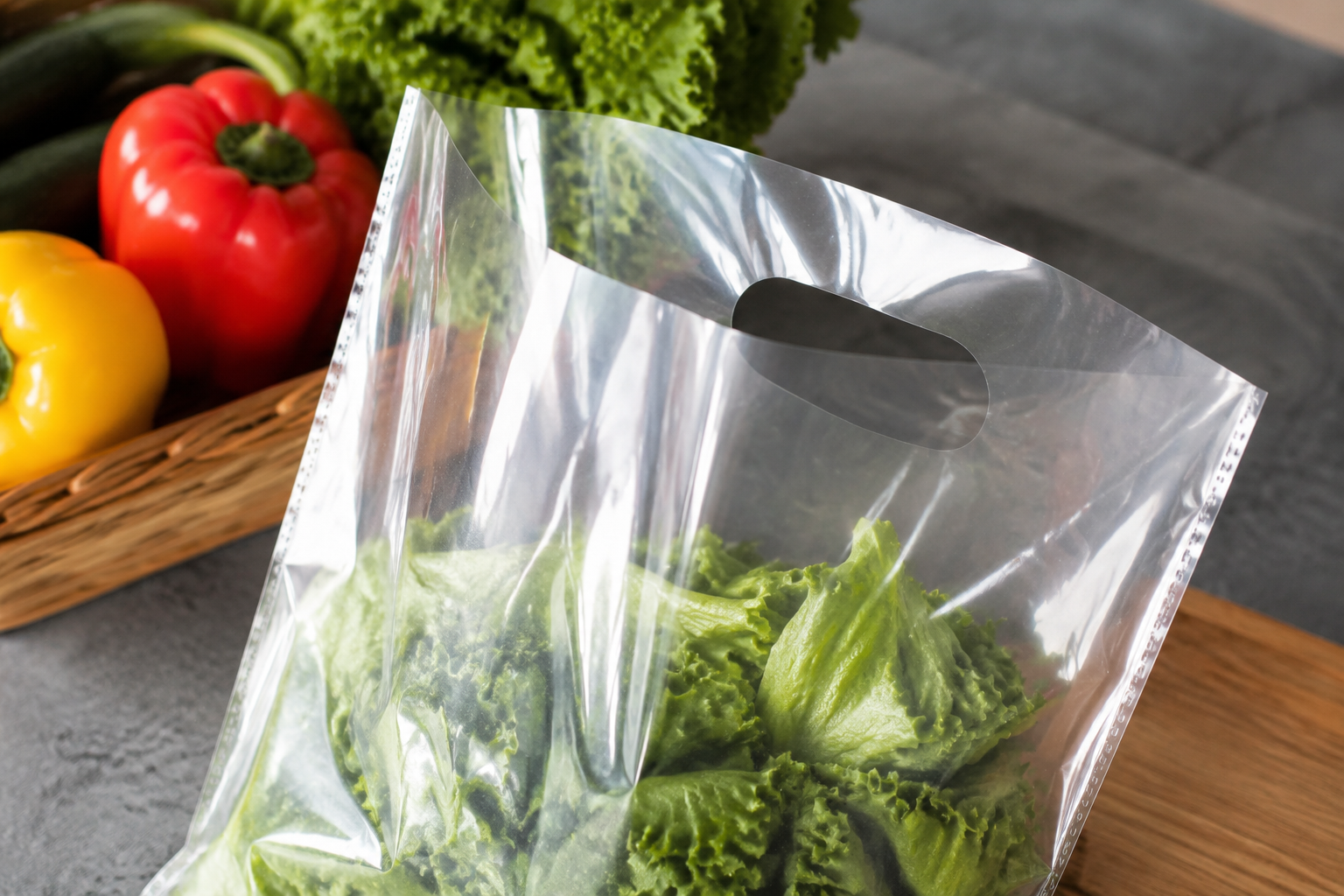
Close‑up of a clear, food‑grade die cut bag with a pre‑cut opening, showing the precise shape and sealing edge, placed on a kitchen counter…
What Is a Die Cut Bag for Food?
A die cut bag for food is a pre‑shaped plastic pouch created by cutting a flat sheet of polymer with a custom steel die. The process yields a bag with exact dimensions, opening styles, and reinforcement points, eliminating the need for manual trimming or folding.
- Material options: LDPE, HDPE, PET, and biodegradable blends.
- Opening styles: top‑seal, side‑seal, zip‑lock, or gusseted.
- Reinforcements: heat‑seal strips, woven handles, or perforated tear lines.
Key Advantages Over Traditional Plastic Bags
- Precision Fit: Reduces product movement and waste.
- Enhanced Shelf Life: Superior barrier properties protect moisture and oxygen.
- Time Savings: Ready‑to‑use shape speeds up packaging lines.
- Brand Visibility: Custom die shapes allow for unique branding.
Why Food Manufacturers Prefer Die Cut Bags
Food safety regulations (e.g., FDA, EU Food Contact Materials) demand consistent, contaminant‑free packaging. Die cut bags meet these standards because the cutting process occurs in a controlled environment, minimizing foreign particles.
Material Selection Guide
Choosing the right polymer is critical for both product protection and regulatory compliance.
Low‑Density Polyethylene (LDPE)
- Flexible, ideal for fresh produce and bakery items.
- Good sealability at low temperatures.
- Recyclable in most municipal programs.
High‑Density Polyethylene (HDPE)
- Stiffer, provides better puncture resistance.
- Suitable for frozen foods and heavy items.
- Excellent chemical resistance for sauces and marinades.
Polyethylene Terephthalate (PET)
- High clarity for premium presentation.
- Superior barrier against oxygen and CO₂.
- Preferred for ready‑to‑eat meals and snack packs.
Design Considerations for Food‑Grade Die Cut Bags
- Bag Shape: Choose rectangular, square, or custom silhouettes based on product geometry.
- Opening Size: Larger openings simplify filling; smaller openings improve resealability.
- Seal Type: Heat‑seal for airtight closure; ultrasonic seal for high‑speed lines.
- Handles & Reinforcements: Integrated handles for easy transport; gussets for volume expansion.
- Regulatory Markings: Include “Food‑Safe” symbols, batch numbers, and expiration dates.
Cost‑Effectiveness Checklist
Use this checklist to evaluate whether a die cut bag for food meets your budget and operational goals.
- ☑️ Unit Cost vs. Standard Bag: Calculate cost per kilogram and compare to bulk flat‑film pricing.
- ☑️ Labor Savings: Estimate time saved on cutting and sealing.
- ☑️ Waste Reduction: Measure material scrap before and after implementation.
- ☑️ Shelf‑Life Extension: Quantify reduced product spoilage.
- ☑️ Brand Impact: Assess consumer perception improvements.
Real‑World Use Cases
Below are three industries where die cut bags for food deliver measurable ROI.
Fresh Produce Distributors
Custom‑shaped bags with perforated tear lines allow quick access while maintaining humidity control. The precise fit reduces bruising during transport.
Ready‑to‑Eat Meal Kits
High‑clarity PET die cut bags showcase ingredients, while zip‑lock closures keep meals fresh for up to 7 days.
Frozen Food Manufacturers
HDPE die cut bags with reinforced seams survive freezer‑stacking pressures and prevent freezer burn.
How to Order Die Cut Bags from VNPLAST
- Submit Specifications: Provide dimensions, material preference, and any custom features (e.g., handles, branding).
- Receive a Sample: VNPLAST offers a prototype to validate fit and performance.
- Approve Artwork: Confirm branding placement and regulatory markings.
- Start Production: Bulk orders are manufactured in VNPLAST’s ISO‑9001 certified facility.
- Logistics: Choose from standard freight or temperature‑controlled shipping.
Pros and Cons of Die Cut Food Bags
| Pros | Cons |
|---|---|
|
|
Frequently Asked Questions
What thickness is recommended for a die cut bag used with fresh salads?
A thickness of 30–40 µm LDPE provides the right balance of flexibility and puncture resistance while maintaining breathability.
Can die cut bags be recycled?
Yes. When made from recyclable polymers such as LDPE or HDPE, they can enter standard municipal recycling streams, provided they are clean and free of food residue.
How does a die cut bag differ from a hand‑stretch film?
Hand‑stretch film is a continuous roll that requires manual tensioning and sealing, whereas a die cut bag arrives pre‑shaped, eliminating the stretching step and reducing material waste.
Is it possible to add a tamper‑evident seal to a die cut food bag?
Absolutely. VNPLAST can integrate a heat‑seal strip with a break‑away perforation that provides visual evidence of tampering.
What certifications should I look for?
Look for FDA Food Contact, EU Regulation (EC) No 1935/2004, and ISO‑22000 compliance to ensure safety across markets.
Conclusion
Choosing the right die cut bag for food can transform your packaging line, improve product freshness, and strengthen brand perception. By evaluating material options, design features, and total cost of ownership, you can make an informed decision that aligns with both regulatory requirements and consumer expectations. VNPLAST’s expertise in plastic bag manufacturing, from Hand Stretch Film to specialized Food Plastic Bag solutions, ensures you receive a product that meets the highest standards of safety, performance, and sustainability.