Proper hazardous plastic waste disposal is essential for protecting public health, complying with regulations, and preserving the environment. Whether you manage a manufacturing plant, a medical facility, or a municipal waste program, the first step is to identify the types of hazardous plastics—such as contaminated plastic bags, chemical‑filled Hand Stretch Film, or waste from Food Plastic Bags—and follow a clear, legally compliant disposal pathway. This guide explains the key steps, decision factors, and best practices you need to implement today.
Understanding Hazardous Plastic Waste
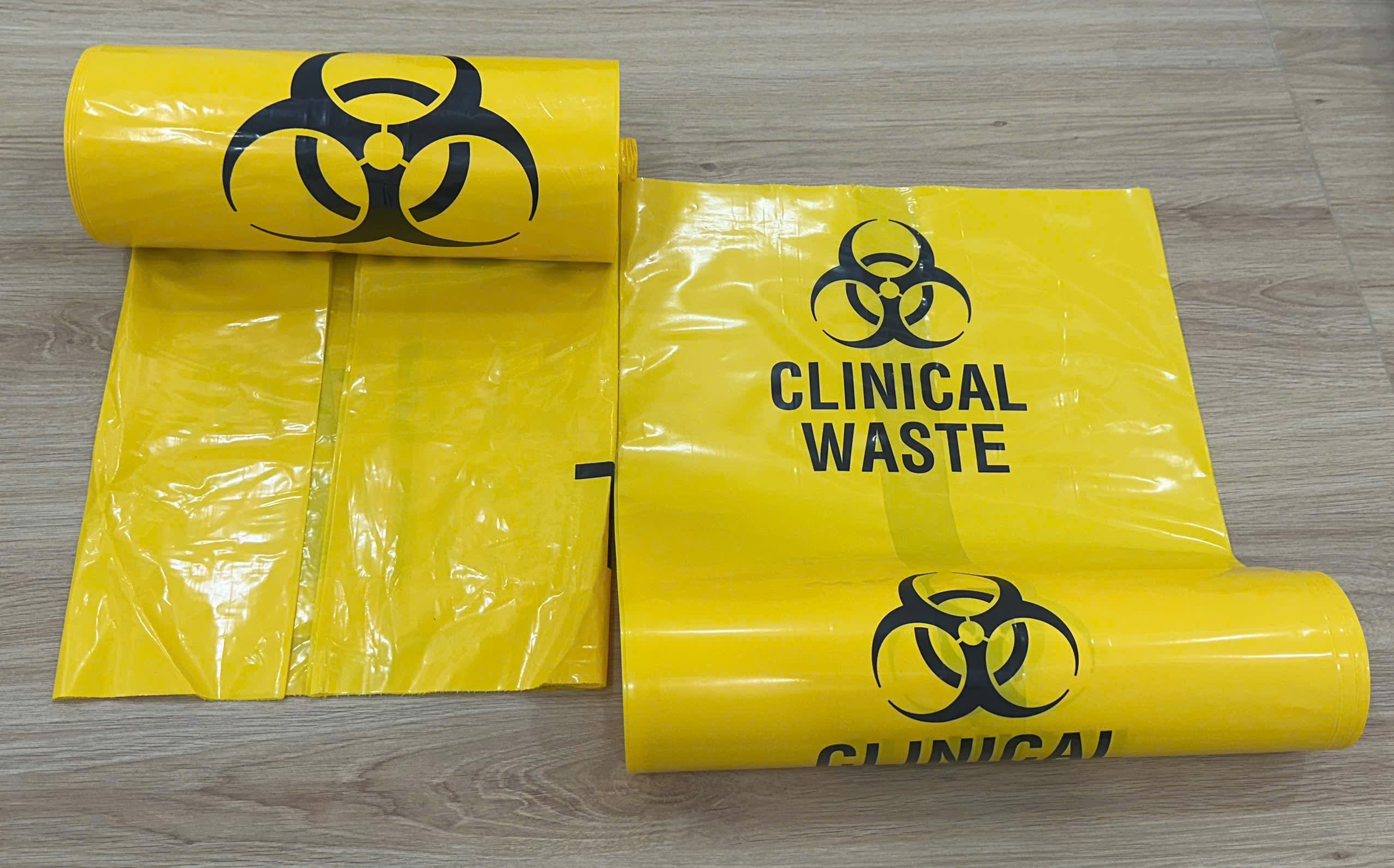
Not all plastic waste is created equal. Hazardous plastic waste contains substances that pose a risk to health or the environment, such as:
- Chemical residues from industrial processes (e.g., solvents on Hand Stretch Film).
- Biological contaminants from medical or food handling (e.g., used Food Plastic Bags).
- Heavy metals or additives embedded in the polymer matrix (e.g., certain Die Cut Bag Plastics).
Identifying these characteristics early helps you select the correct disposal method and avoid costly compliance violations.
Regulatory Landscape
Compliance requirements vary by country, but common frameworks include:
- Vietnam Ministry of Natural Resources and Environment – governs classification and treatment of hazardous waste.
- EU Waste Framework Directive – sets standards for member states, influencing multinational companies.
- UN Basel Convention – controls transboundary movements of hazardous waste.
Always verify the latest local ordinances and obtain the necessary permits before transporting hazardous plastic waste.
Step‑by‑Step Disposal Process
1. Waste Characterization and Segregation
Separate hazardous plastics from regular recyclables at the point of generation:
- Use color‑coded containers: red for hazardous, blue for recyclable.
- Label each container with the specific product type (e.g., “Hand Stretch Film – Chemical‑contaminated”).
- Implement a double‑bagging system for high‑risk items like Refuse Sack Plastic Bags.
2. Safe Handling and Storage
Follow these safety measures while storing hazardous plastic waste:
- Store in a well‑ventilated, fire‑resistant area away from sunlight.
- Maintain temperature control to prevent melting or off‑gassing.
- Equip staff with PPE: gloves, goggles, and chemical‑resistant aprons.
3. Transportation to an Authorized Facility
Choose a licensed hazardous waste transporter. Verify:
- Valid Hazardous Waste Transport Permit (HWT‑001).
- Vehicle compliance with UN Recommendations on the Transport of Dangerous Goods.
- Proper documentation: waste manifest, safety data sheets, and chain‑of‑custody forms.
4. Treatment Options
Depending on the waste composition, select an appropriate treatment method:
- Incineration with Energy Recovery – suitable for heavily contaminated plastic bags and Block Header Plastic Bags.
- Chemical Neutralization – used for plastics soaked with acids or bases.
- Secure Landfill – last resort for non‑recoverable hazardous plastics.
5. Documentation and Reporting
Maintain a complete record for each batch:
- Waste type, quantity, and hazard classification.
- Transporter details and disposal facility certificate.
- Final disposal method and any residue analysis.
These records are essential for audits and regulatory reporting.
Decision Checklist for Choosing a Disposal Partner
- License Verification – Confirm the partner holds a valid hazardous waste treatment license.
- Facility Capability – Does the facility handle the specific plastic types you generate (e.g., Die Cut Bag Plastic, Hazardous Plastic Garbage)?
- Environmental Performance – Look for ISO 14001 certification and emission monitoring reports.
- Cost Transparency – Ensure pricing includes handling, transportation, and any required pre‑treatment.
- Emergency Response – Verify the provider’s spill response plan and insurance coverage.
Real‑World Use Cases
Below are two illustrative scenarios that demonstrate how businesses successfully manage hazardous plastic waste.
Case Study 1: VNPLAST Manufacturing Plant
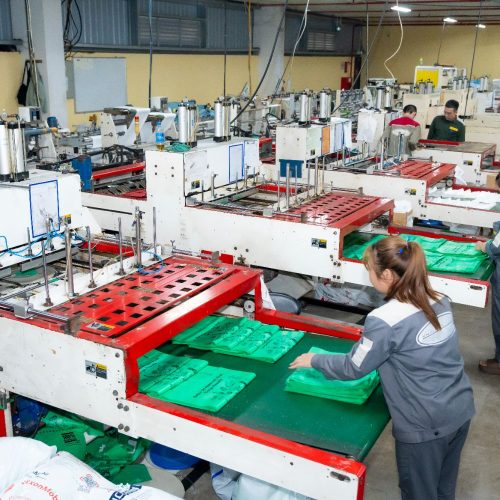
VNPLAST produces Hand Stretch Film and Die Cut Bag Plastic for export. The plant implemented a three‑stage segregation system, partnered with a certified incineration facility, and reduced compliance costs by 18%.
Case Study 2: Hospital Waste Management
A regional hospital generated contaminated Food Plastic Bags and Refuse Sack Plastic Bags. By adopting double‑bagging and a dedicated hazardous transport contract, the hospital achieved zero violations during the last regulatory audit.
Pros and Cons of Common Disposal Methods
- Incineration
- Pros: Reduces volume, recovers energy, destroys contaminants.
- Cons: High capital cost, potential emissions if not properly controlled.
- Chemical Neutralization
- Pros: Effective for acid/base‑contaminated plastics, can render waste non‑hazardous.
- Cons: Generates secondary waste streams requiring further treatment.
- Secure Landfill
- Pros: Simple, low operational cost.
- Cons: Long‑term environmental risk, limited landfill space.
Key Takeaways for Safe Hazardous Plastic Waste Disposal
- Identify and classify hazardous plastic waste at the source.
- Segregate using clearly labeled, color‑coded containers.
- Partner only with licensed transporters and treatment facilities.
- Maintain thorough documentation for every step.
- Regularly audit your process against local and international regulations.
Frequently Asked Questions
What qualifies a plastic bag as hazardous?
A plastic bag is considered hazardous if it contains chemical residues, biological contaminants, or hazardous additives that can pose health or environmental risks.
Can recyclable plastic bags be treated as hazardous waste?
Yes, if they are contaminated with hazardous substances. They must be segregated and processed separately from clean recyclables.
How often should a company audit its hazardous plastic waste disposal process?
At least annually, or whenever there is a change in waste type, volume, or regulatory requirements.
What are the penalties for improper disposal in Vietnam?
Violations can result in fines up to VND 500 million, suspension of operating licenses, and potential criminal charges for severe breaches.
Is incineration always the best option for hazardous plastic waste?
Incineration is effective for volume reduction and energy recovery but may not be suitable for plastics with high metal content or those that produce toxic emissions without advanced controls.
Implementing a robust hazardous plastic waste disposal program protects your business, the community, and the planet. By following the steps outlined above, you can achieve compliance, reduce risk, and demonstrate responsible stewardship of plastic resources.