When you search for a trash bag 30 gallon, you expect a durable, leak‑proof solution that can handle household waste, commercial refuse, or even hazardous materials without tearing. A 30‑gallon trash bag typically measures around 30 inches wide by 45 inches tall, holds up to 120 lb of waste, and features reinforced seams and a thick gauge (often 2 mil or higher). Whether you’re stocking a kitchen, outfitting a construction site, or managing a recycling program, the right 30‑gallon bag saves time, reduces mess, and protects the environment.
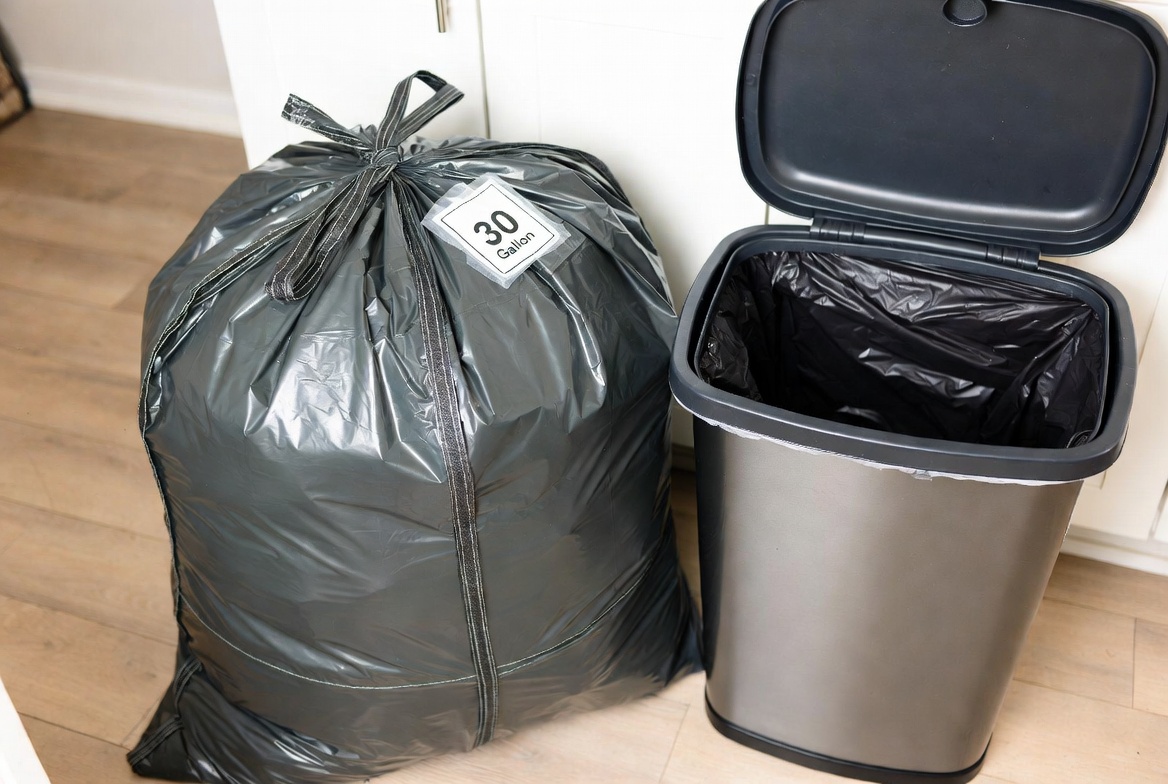
A close‑up of a 30‑gallon trash bag made of heavy‑duty polyethylene, showing its reinforced seams, a clear label “30 Gallon”, and a sturdy …
Why a 30‑Gallon Size Is the Sweet Spot for Many Applications
Choosing the correct size prevents over‑filling (which leads to spills) and under‑filling (which wastes material). The 30‑gallon capacity strikes a balance for:
- Residential kitchens: Handles daily food waste and packaging.
- Commercial cafeterias: Manages higher volume without constant bag changes.
- Construction sites: Holds bulky debris like drywall scraps and packaging.
- Industrial waste streams: Suitable for non‑hazardous refuse and recyclable plastics.
Key Features to Look for in a High‑Quality Trash Bag 30 Gallon
Material Thickness (Gauge)
Gauge determines puncture resistance. For most uses, 2 mil is sufficient; for heavy debris, opt for 3 mil or higher.
Seal Strength
Double‑stitched or heat‑sealed seams prevent splits when the bag is full.
Closure Type
- Drawstring: Easy to tie and lift; ideal for indoor use.
- Flap‑top: Provides a secure seal for outdoor or hazardous waste.
- Gusseted bottom: Expands to accommodate irregular shapes.
Color Coding
Clear, black, or blue bags help differentiate waste streams (e.g., recyclables vs. landfill).
Decision Checklist: Selecting the Best 30‑Gallon Trash Bag for Your Needs
- Is the waste wet or dry? Choose thicker gauge for wet waste.
- Will the bag be moved frequently? Prefer drawstring or reinforced handles.
- Do you need UV resistance? Look for UV‑stabilized polyethylene for outdoor storage.
- Is recycling a priority? Select recyclable or compostable plastic options.
- Do you handle hazardous materials? Verify compliance with local regulations and choose “Hazardous Plastic Garbage” rated bags.
Comparison: VNPLAST 30‑Gallon Trash Bags vs. Generic Store Brands
| Feature | VNPLAST 30‑Gallon | Generic Store Brand |
|---|---|---|
| Material Gauge | 2.5 mil (HDPE) | 1.8 mil (LDPE) |
| Seal Type | Heat‑sealed double seam | Single stitched |
| Closure | Drawstring + reinforced handle | Flap‑top only |
| UV Resistance | Yes (UV‑stabilized) | No |
| Recyclability | 100 % recyclable plastic | Mixed materials, limited recycling |
| Price per 100 bags | $45.00 | $32.00 |
While the upfront cost of VNPLAST bags is higher, the reduced tear rate, better seal, and recyclability deliver long‑term savings and compliance benefits.
Real‑World Use Cases
Food Service Operations
Restaurants generate large volumes of greasy, wet waste. A 30‑gallon bag with a 2.5 mil gauge resists punctures from oil‑soaked containers, while the drawstring makes quick disposal possible during busy service periods.
Construction Clean‑Up
Builders often need to collect mixed debris—packaging, wood shavings, and small metal parts. Gusseted 30‑gallon bags expand to fit irregular loads, and the reinforced bottom prevents tearing when placed on rough surfaces.
Hazardous Waste Collection
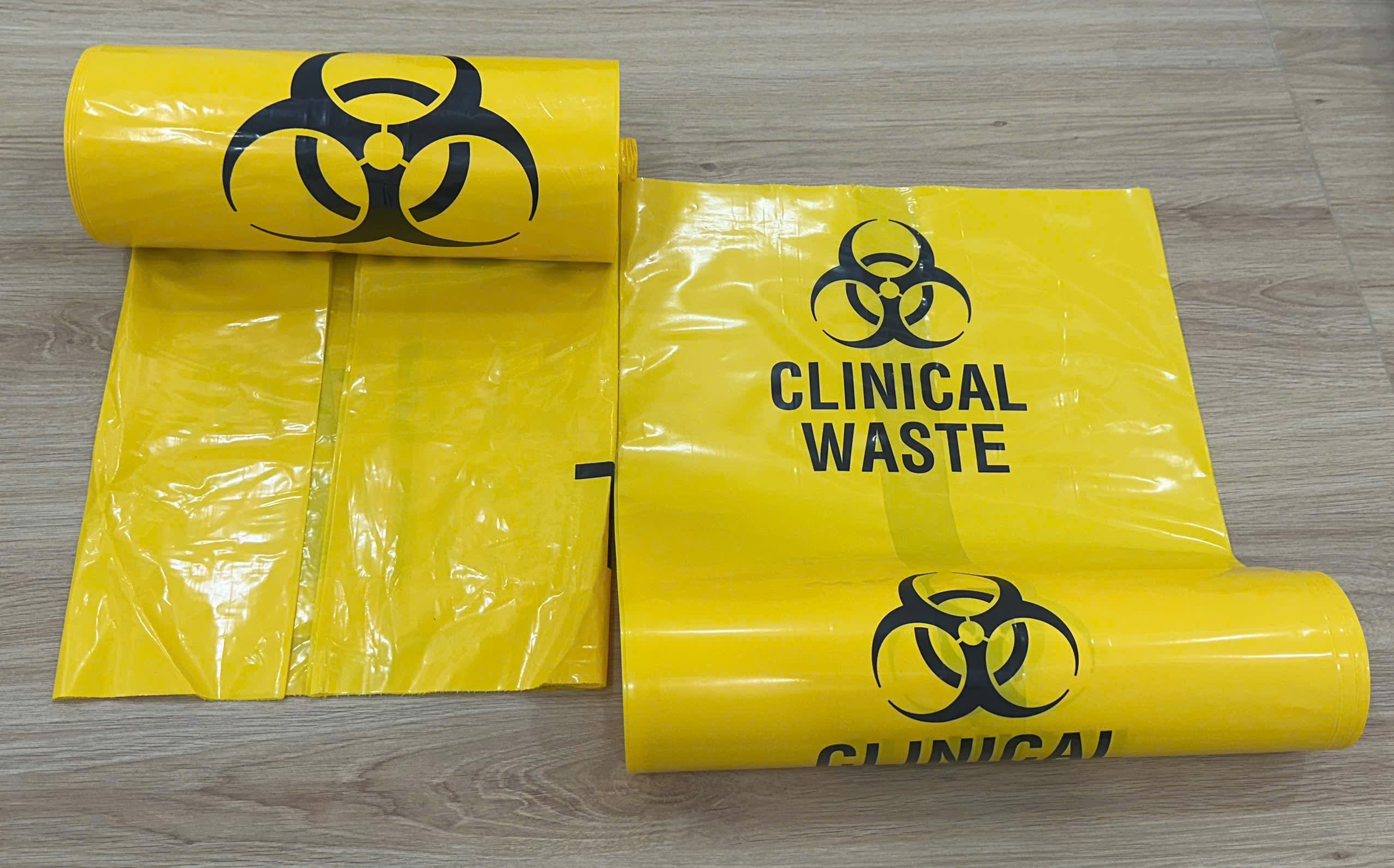
Facilities handling chemicals or sharp objects must use bags labeled “Hazardous Plastic Garbage.” VNPLAST offers a 30‑gallon variant with an extra‑thick 3 mil gauge and a sealed flap‑top that meets most regulatory standards.
Pros and Cons of 30‑Gallon Trash Bags
- Pros
- Versatile size for many industries.
- Reduced bag changes compared to smaller capacities.
- Economical when purchased in bulk.
- Available with reinforced handles for easy lifting.
- Cons
- Larger footprint in storage.
- Higher per‑bag cost than 13‑gallon options.
- May be overkill for low‑volume residential use.
How to Store and Manage 30‑Gallon Trash Bags Efficiently
Proper storage prolongs bag integrity:
- Keep bags in a cool, dry area away from direct sunlight.
- Stack bags on pallets to avoid crushing the bottom seams.
- Rotate stock using a “first‑in, first‑out” system to prevent aging.
- Label shelves with “30‑Gallon – Heavy Duty” for quick identification.
FAQ – Frequently Asked Questions About Trash Bag 30 Gallon
What gauge should I choose for wet kitchen waste?
A 2.5 mil or thicker gauge is recommended to resist punctures from liquids and greasy containers.
Can 30‑gallon bags be used for recycling?
Yes, if the bag is made of recyclable polyethylene. Look for “recyclable plastic bag” labeling and ensure your local recycling program accepts it.
Are there environmentally friendly 30‑gallon options?
VNPLAST offers bags produced from post‑consumer recycled plastic, reducing virgin material use while maintaining strength.
How do I dispose of a full 30‑gallon bag safely?
Tie the drawstring securely, place the bag in a designated waste container, and follow local waste‑management guidelines for the waste type (e.g., hazardous, organic).
Is a drawstring closure better than a flap‑top?
Drawstrings provide quick sealing and easy lifting, ideal for indoor use. Flap‑tops offer a tighter seal for outdoor or hazardous waste, preventing exposure to elements.
Conclusion
Choosing the right trash bag 30 gallon hinges on material strength, seal quality, and the specific waste type you handle. VNPLAST’s heavy‑duty, recyclable options deliver superior performance for kitchens, commercial cafeterias, construction sites, and hazardous waste applications. By evaluating gauge, closure type, and compliance needs, you can select a bag that minimizes spills, maximizes durability, and aligns with sustainability goals.