When you search for a trash bag, you expect a simple solution for containing waste, but the reality is far more nuanced. A trash bag is a flexible container made from various polymers designed to hold refuse securely, resist punctures, and often feature special attributes such as odor control or UV resistance. Whether you need a lightweight bag for household kitchen waste or a heavy‑duty sack for industrial hazardous material, understanding the material, size, and performance criteria will save you money and reduce environmental impact. Below, VNPLAST walks you through the most important decision factors, real‑world use cases, and a practical checklist to help you select the perfect trash bag for any application.
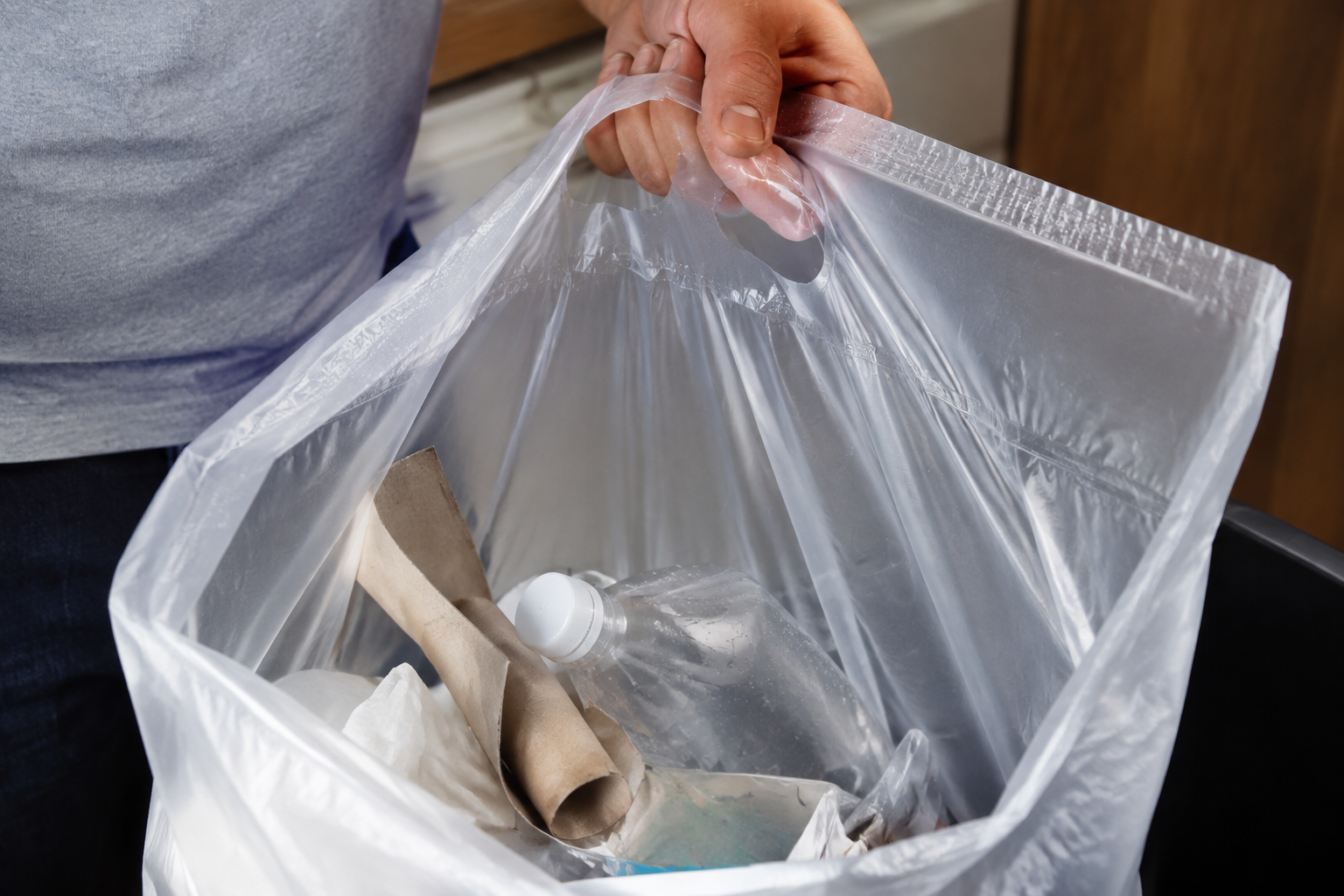
A close‑up of a clear polyethylene trash bag being filled with household waste, showing the bag’s thickness, seal, and a perforated handle …
Understanding Trash Bag Materials and Construction
Primary Plastic Types Used in Trash Bags
- Low‑Density Polyethylene (LDPE): Flexible, low‑cost, ideal for lightweight residential waste.
- High‑Density Polyethylene (HDPE): Stronger and more puncture‑resistant, perfect for commercial refuse.
- Linear Low‑Density Polyethylene (LLDPE): Offers superior stretch and tear resistance, commonly used in heavy‑duty bags.
- Polypropylene (PP) Block Header: Provides a reinforced top edge for easy lifting and stacking.
Key Construction Features
- Seal Type: Heat‑sealed, taped, or perforated for quick opening.
- Thickness (Mil): Ranges from 0.8 mil for light use to 5 mil for industrial applications.
- Handles: Integrated drawstrings, reinforced holes, or no‑handle designs.
- Additives: Odor‑neutralizing agents, UV stabilizers, or biodegradable blends.
Choosing the Right Trash Bag for Your Application
Decision Checklist for Selecting a Trash Bag
- Waste Type: Dry, wet, oily, hazardous, or recyclable.
- Volume and Weight: Estimate daily or per‑load weight to avoid tears.
- Environment: Indoor, outdoor, high‑temperature, or UV‑exposed areas.
- Regulatory Requirements: For hazardous or medical waste, ensure compliance with local regulations.
- Cost vs. Performance: Balance mil thickness and material grade against budget constraints.
Comparison of Popular Trash Bag Types
- Standard Plastic Bag (LDPE, 0.8–1.2 mil): Best for kitchen scraps and light office waste.
- Heavy‑Duty Refuse Sack (LLDPE, 2–3 mil): Handles construction debris, yard waste, and heavier commercial refuse.
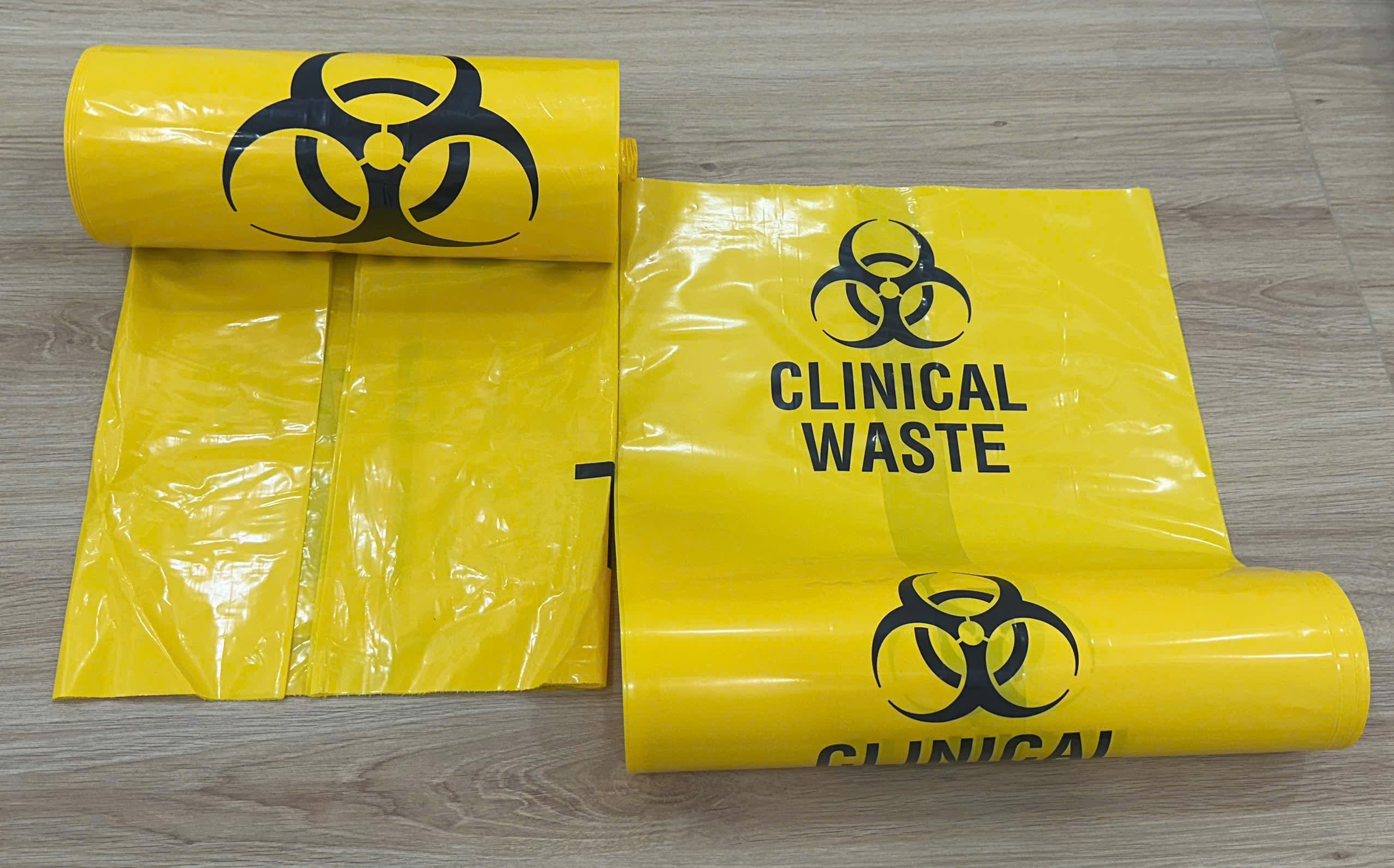
- Hazardous Plastic Garbage Bag (HDPE, 4–5 mil, with chemical‑resistant coating): Suitable for industrial chemicals, paints, and medical waste.
- Food Plastic Bag (PP or LDPE with food‑grade certification): Ideal for waste generated in food service areas.
- Recycle Plastic Bag (Biodegradable blend): Offers a greener disposal option for eco‑conscious facilities.
Real‑World Use Cases: How VNPLAST’s Trash Bags Solve Specific Problems
VNPLAST manufactures a range of specialized bags that address niche requirements across industries. Below are three representative scenarios:
1. Construction Site – Block Header Plastic Bag
Construction waste often includes sharp objects and heavy materials. VNPLAST’s block header bags combine a reinforced polypropylene header with 3 mil LLDPE film, providing a sturdy grip and preventing tears during loading onto dumpsters.
2. Food Service – Food Plastic Bag with Odor Control
In a busy restaurant kitchen, waste accumulates quickly and can emit strong odors. Our food‑grade bags feature an integrated odor‑neutralizing additive and a drawstring seal, keeping the prep area fresh and compliant with health standards.
3. Hazardous Material Handling – Hazardous Plastic Garbage Bag
For chemical labs or automotive shops, the bag must resist permeation. VNPLAST’s HDPE hazardous bags include a chemical‑resistant coating and a double‑seal closure, meeting OSHA and local hazardous waste regulations.
Pros and Cons of Common Trash Bag Materials
- LDPE – Pros: Low cost, flexible; Cons: Limited puncture resistance.
- HDPE – Pros: High strength, chemical resistance; Cons: Less stretch, higher cost.
- LLDPE – Pros: Excellent stretch, tear resistance; Cons: Slightly higher price than LDPE.
- Biodegradable blends – Pros: Reduced environmental impact; Cons: May have lower load capacity and higher cost.
How to Store and Dispose of Trash Bags Properly
Proper storage extends the life of your bags and maintains performance:
- Keep bags in a cool, dry place away from direct sunlight to prevent polymer degradation.
- Store on pallets or shelves to avoid crushing.
- Label bulk containers with the bag type (e.g., “Heavy‑Duty LLDPE – 3 mil”) for quick identification.
When disposing of used trash bags, follow local regulations. For recyclable plastics, ensure the bag is empty and free of contaminants before placing it in the recycling bin.
Frequently Asked Questions
What thickness of trash bag is ideal for household kitchen waste?
For typical kitchen scraps, a 0.8–1.2 mil LDPE bag provides sufficient strength while keeping costs low.
Can I use a standard trash bag for hazardous chemicals?
No. Hazardous waste requires a specially engineered HDPE or LLDPE bag with chemical‑resistant coating and a sealed closure to meet safety standards.
Are biodegradable trash bags as strong as regular plastic bags?
Biodegradable blends often have lower tensile strength than conventional LDPE. Choose a higher‑grade biodegradable bag (2 mil or more) for heavier loads.
How do block header bags improve handling?
The reinforced polypropylene header distributes weight evenly, reducing tearing when the bag is lifted or stacked, especially with heavy or sharp waste.
What is the best way to prevent odors from a trash bag in a commercial kitchen?
Use a food‑grade bag with an odor‑neutralizing additive and a drawstring seal to lock in smells and maintain a hygienic environment.
Conclusion
Selecting the right trash bag hinges on understanding material properties, thickness, and the specific waste profile you’re managing. VNPLAST’s product lineup—from lightweight LDPE kitchen bags to heavy‑duty block header sacks and chemically resistant hazardous bags—covers every scenario. Use the checklist above to match your needs with the appropriate bag type, store them correctly, and follow disposal guidelines to stay compliant and environmentally responsible. By making an informed choice, you protect your operations, reduce costs, and contribute to a cleaner, safer workspace.