When you search for machine stretch film parts, you expect a clear, detailed guide that helps you select, maintain, and upgrade the components that keep your stretch film packaging line running smoothly. This article delivers exactly that—covering every critical part, how they work together, and the decision factors that matter most to manufacturers and end‑users. By the end, you’ll know which parts to buy, how to spot wear, and where to source reliable components for your VNPLAST stretch film equipment.
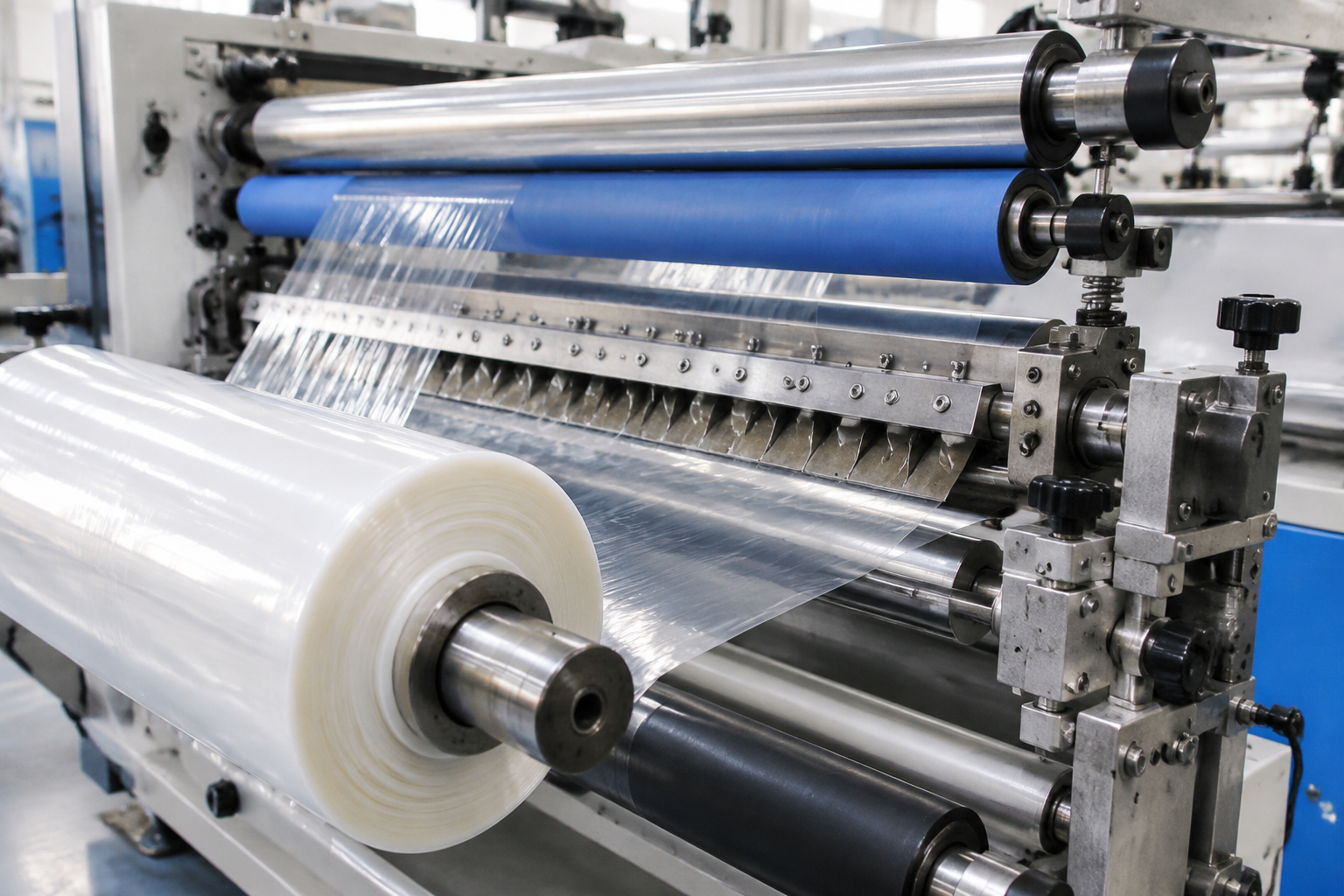
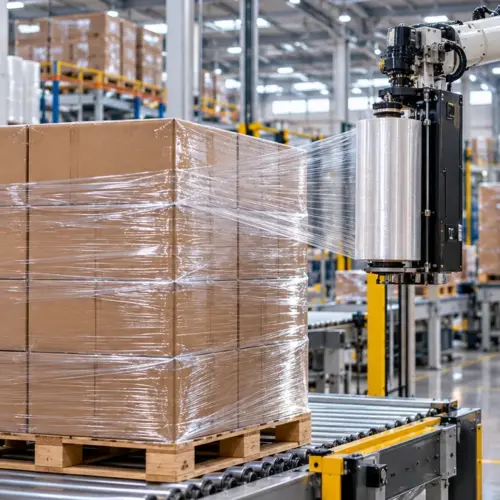
close‑up view of a stretch film machine unwind roll, tension rollers, and cutting blade assembly on a production line
Core Components of a Stretch Film Machine
Understanding each part’s function is the first step toward effective maintenance and smart purchasing. Below is a breakdown of the most common machine stretch film parts found in both manual and fully automated systems.
1. Unwind Unit (Roll Stand)
The unwind unit holds the film roll and feeds it onto the line at a controlled speed. Key features include:
- Heavy‑duty steel frame for stability.
- Adjustable roll holders to accommodate different roll diameters (up to 1.5 m).
- Integrated brake system to prevent sudden unwinding.
2. Tension Control System
Maintaining consistent tension prevents film breakage and ensures uniform stretch. Typical parts are:
- Torque‑controlled rollers (rubber‑coated or steel).
- Electronic tension sensors that feed data to the PLC.
- Variable frequency drives (VFD) for precise speed adjustments.
3. Cutting System
Accurate cutting reduces waste and prepares the film for sealing. Main components include:
- Rotary knives or shear blades made of hardened steel.
- Adjustable cutting length mechanisms (30 mm–500 mm).
- Safety interlocks that stop the machine if the blade contacts the frame.
4. Sealing Bar (Heat or Ultrasonic)
The sealing bar creates the final stretch and seal around the load. Options are:
- Heat‑seal bars with ceramic heating elements for polyethylene film.
- Ultrasonic sealing heads for high‑speed applications.
- Adjustable pressure plates to match load size.
5. Drive System
Power transmission from the motor to the rollers is handled by:
- Chain or belt drives with tensioners.
- Gearboxes (planetary or helical) for torque multiplication.
- Motor starters and overload protection devices.
6. Safety Sensors and Controls
Compliance with ISO 12100 and local safety standards requires:
- Photoelectric sensors that detect film breakage.
- Emergency stop buttons placed at operator stations.
- PLC‑based control panels with diagnostic LEDs.
Decision Factors When Selecting Machine Stretch Film Parts
Not all parts are created equal. Choose components that align with your production volume, film type, and budget.
- Material Compatibility: Ensure rollers and seals are compatible with the specific polymer (LDPE, LLDPE, or biodegradable blends).
- Throughput Requirements: High‑speed lines (>120 m/min) benefit from reinforced steel rollers and high‑capacity VFDs.
- Maintenance Cycle: Look for parts with modular designs that allow quick replacement without full machine downtime.
- Spare Part Availability: VNPLAST offers a stocked inventory of replacement unwind units, tension rollers, and sealing bars to reduce lead times.
- Cost vs. Longevity: Hardened steel blades cost more upfront but last 2–3× longer than standard steel.
Standard vs. High‑Performance Machine Stretch Film Parts
| Feature | Standard Parts | High‑Performance Parts |
|---|---|---|
| Roller Material | Polyurethane coating | Hardened steel with ceramic surface |
| Cutting Blade | Carbon steel | Carbide‑tipped, self‑sharpening |
| Sealing Technology | Basic heat bar | Dual‑zone ultrasonic with adaptive control |
| Maintenance Interval | Every 3 months | Every 12 months |
| Initial Cost | Low | Higher |
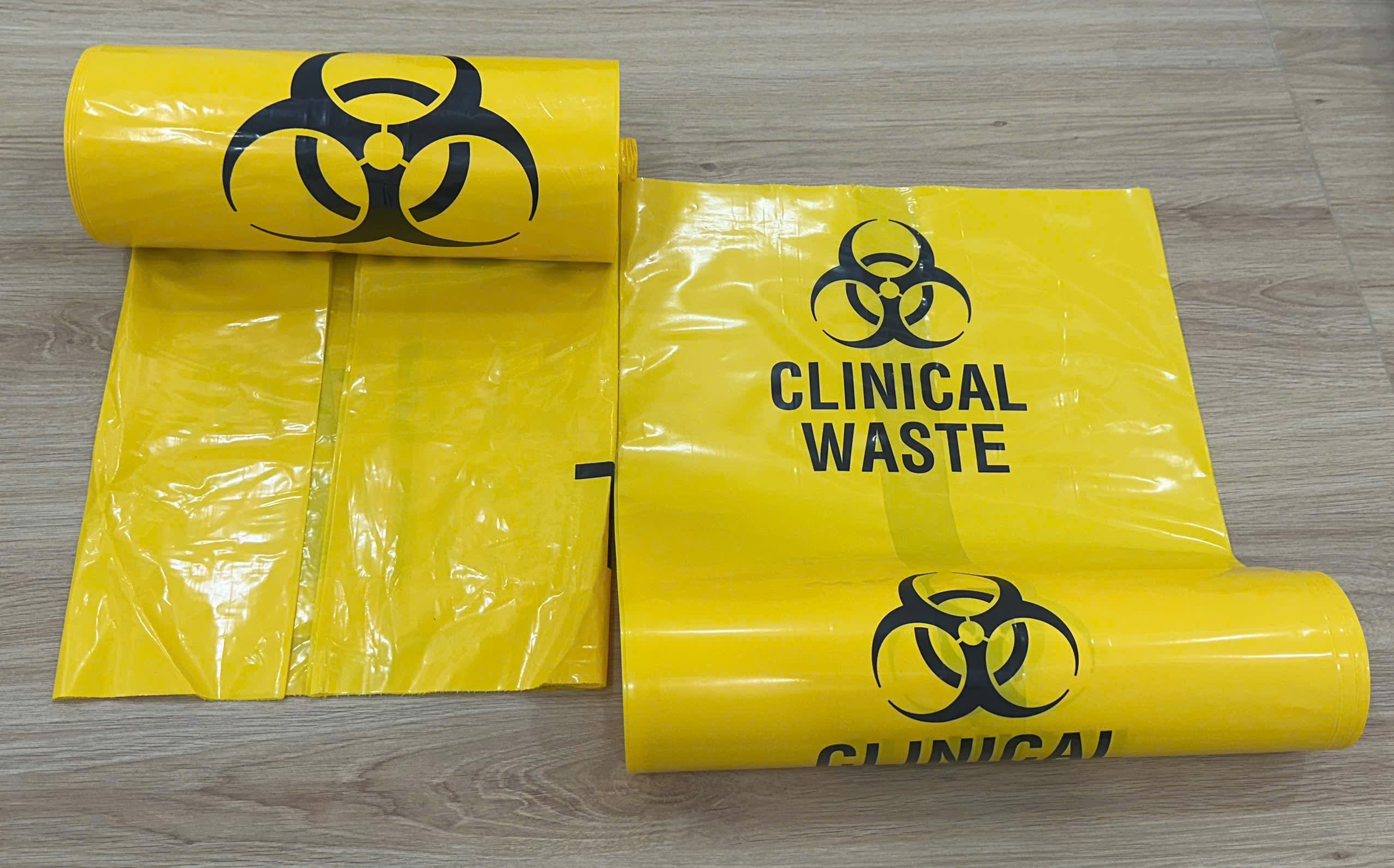
For high‑value loads—such as hazardous plastic garbage or food plastic bags—investing in high‑performance parts reduces downtime and improves seal integrity.
Machine Stretch Film Parts Buying Checklist
- Confirm film type (LDPE, LLDPE, biodegradable) and required stretch ratio.
- Measure existing roll diameter and width to match unwind unit capacity.
- Verify motor power rating and compatibility with new drive components.
- Check PLC firmware version for compatibility with new tension sensors.
- Order spare cutting blades and sealing bars in matching material specifications.
- Ensure safety interlock modules meet local regulatory standards.
- Request a parts warranty and confirm lead time from VNPLAST.
How to Maintain and Replace Key Parts
Regular upkeep extends the life of your stretch film machine and prevents costly production stops.
Unwind Unit
- Inspect roll holders for wear every 2 weeks.
- Lubricate bearing surfaces with high‑temperature grease monthly.
- Replace brake pads when wear exceeds 2 mm.
Tension Rollers
- Check for surface scratches that can cause film tears.
- Replace rollers after 10,000 m of film run if hardness drops below 60 Shore A.
Cutting Blade
- Test blade sharpness with a test cut; replace if ragged edges appear.
- Adjust blade clearance to 0.1 mm for optimal clean cuts.
Sealing Bar
- Monitor temperature sensors; recalibrate if variance exceeds ±5 °C.
- Clean ceramic elements weekly to avoid polymer buildup.
Real‑World Use Cases
Below are three industry scenarios that illustrate how specific machine stretch film parts impact performance.
- Food Plastic Bag Production: Using a stainless‑steel unwind unit and food‑grade heat seal bar prevents contamination and meets FDA standards.
- Hazardous Plastic Garbage Handling: High‑torque drive systems with reinforced steel rollers safely stretch heavy‑gauge film around irregular loads.
- Recycled Plastic Bag Manufacturing: Adjustable tension sensors compensate for variable film thickness, ensuring consistent stretch without tearing.
Choosing the Right Supplier for Machine Stretch Film Parts
VNPLAST offers a comprehensive catalog that includes:
- OEM‑grade unwind units compatible with Hand Stretch Film reels.
- Die‑cut bag plastic compatible cutting blades.
- Recycle‑plastic‑bag‑friendly tension rollers with low‑friction coatings.
- Hazardous plastic garbage sealing bars with reinforced heat shields.
When evaluating suppliers, ask for:
- Technical datasheets for each part.
- Sample compatibility tests with your film type.
- After‑sales support and on‑site installation services.
Conclusion
Selecting the right machine stretch film parts is a balance of material compatibility, production speed, maintenance strategy, and cost. By focusing on the core components—unwind unit, tension control, cutting system, sealing bar, drive system, and safety sensors—you can build a reliable packaging line that meets the demanding standards of food, hazardous waste, and recycled‑plastic applications. Use the buying checklist, compare standard versus high‑performance options, and partner with a trusted supplier like VNPLAST to keep your operation efficient and compliant.
Frequently Asked Questions
- What are the most common wear points in a stretch film machine?
Typical wear occurs on the unwind roll bearings, tension rollers, cutting blades, and sealing bar heating elements. Regular inspection and timely replacement extend machine life. - Can I retrofit a standard machine with high‑performance parts?
Yes. Most manufacturers design modular components. Upgrading rollers, blades, or sealing bars often requires only minor adjustments to the control software. - How often should I replace the cutting blade?
For standard carbon steel blades, replace every 10,000 m of film or when cut quality degrades. Carbide‑tipped blades can last up to 30,000 m. - Is there a difference between heat‑seal and ultrasonic‑seal bars?
Heat‑seal bars are ideal for low‑to‑medium speed lines and standard polyethylene films. Ultrasonic seals provide faster cycle times and stronger bonds for high‑speed or thick‑gauge films. - Where can I find spare parts for VNPLAST machines?
VNPLAST maintains an online parts catalog and offers direct shipping of OEM‑approved components, ensuring compatibility and quick turnaround.