When businesses search for a reliable way to reinforce the opening of a bag, the term plastic bag header appears at the top of their queries. A plastic bag header is the reinforced strip—often made from polyethylene, polypropylene, or woven fabric—attached to the top edge of a bag to provide strength, improve handling, and prevent tearing during filling and transport. Understanding the different header types, material options, and application methods can save you time, reduce waste, and boost operational efficiency.
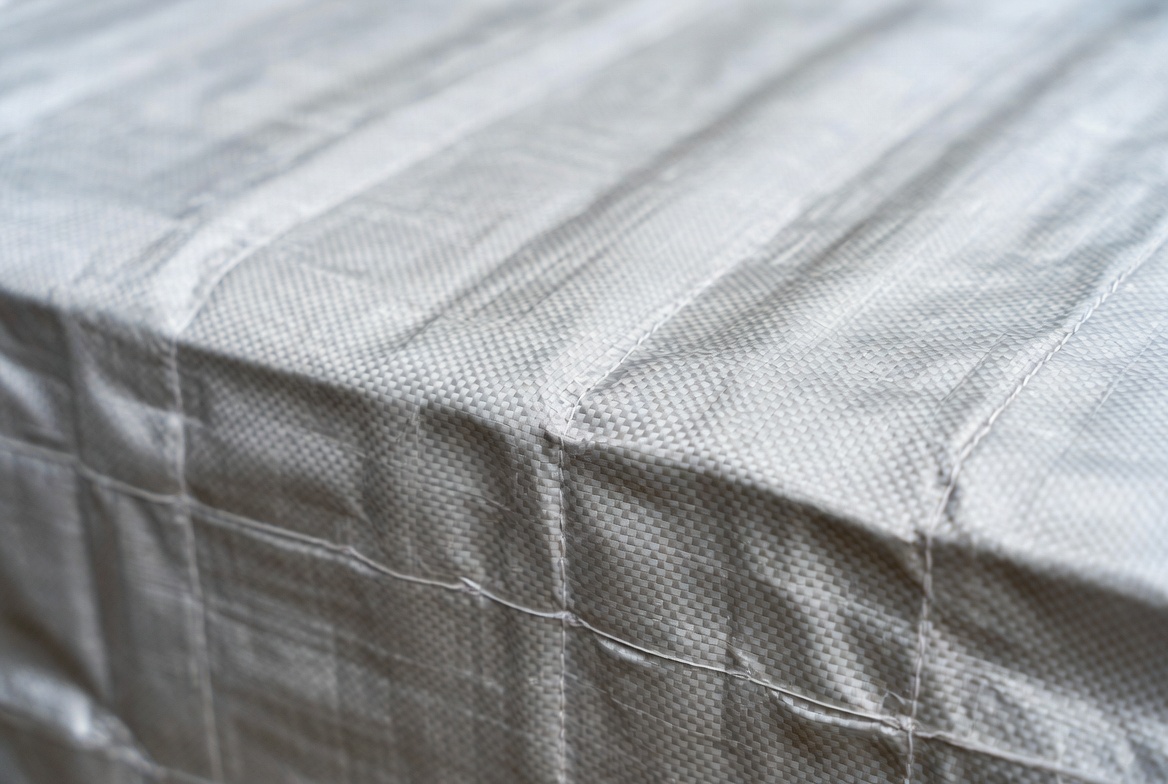
Close‑up view of a reinforced plastic bag header made of woven polypropylene tape on a block header plastic bag, showing stitching and seal…
Key Types of Plastic Bag Headers
Choosing the right header depends on the bag’s purpose, load, and handling requirements. Below are the most common header styles used across the industry.
Block Header
- Flat, rectangular reinforcement that runs the full width of the bag.
- Ideal for heavy loads such as refuse sack plastic bags and hazardous plastic garbage bags.
- Typically sealed with heat or ultrasonic welding.
Die Cut Header
- Pre‑shaped header cut to match the bag’s opening, reducing material waste.
- Common in food plastic bags where a clean finish is essential.
- Can be attached using adhesive or heat sealing.
Handle Wrap Tool Header
- Features a built‑in loop or handle for easy carrying.
- Used in hand stretch film applications and retail grocery bags.
- Provides ergonomic grip and distributes weight evenly.
Material Choices for Plastic Bag Headers
Material selection influences durability, cost, and environmental impact.
- Polyethylene (PE) – Low cost, good moisture resistance, suitable for lightweight to medium‑weight bags.
- Polypropylene (PP) – Higher tensile strength, resistant to chemicals, preferred for hazardous waste bags.
- Woven Fabric – Offers the highest tear resistance, often used in industrial bulk bags and block headers.
- Recycled Plastic – Eco‑friendly option for brands emphasizing sustainability; performance varies by grade.
Decision Checklist: Selecting the Right Header for Your Application
- Load Weight: Is the bag carrying less than 10 kg, 10‑30 kg, or over 30 kg?
- Content Type: Dry goods, liquids, hazardous waste, or food items?
- Handling Method: Manual lift, forklift, or automated filling line?
- Regulatory Requirements: Does the product need FDA‑approved material or hazardous‑waste certification?
- Environmental Goals: Preference for recycled material or biodegradable options?
- Cost Constraints: Budget per bag versus long‑term savings from reduced tearing.
Real‑World Use Cases
Understanding how different headers perform in practice helps you make an informed purchase.
Industrial Waste Management
Companies handling construction debris often choose a block header plastic bag made from woven fabric. The header’s strength prevents splits when the bag is lifted by a forklift, reducing the risk of spillage and injury.
Food Service Packaging
Restaurants that serve bulk salads rely on die cut bag plastic with a thin PE header. The precise cut provides a neat seal, maintaining hygiene while keeping costs low.
Retail Grocery Bags
Supermarkets use handle wrap tool plastic bags with a PP header to support the weight of groceries. The built‑in loop distributes load across the shopper’s hand, improving the customer experience.
Pros and Cons of Common Header Designs
| Header Type | Pros | Cons |
|---|---|---|
| Block Header | High tensile strength; excellent for heavy loads; easy to seal. | Uses more material; may increase bag cost. |
| Die Cut Header | Material‑efficient; clean appearance; ideal for food safety. | Less robust for very heavy loads. |
| Handle Wrap Tool Header | Ergonomic; convenient for manual handling; reusable loops. | Complex manufacturing; higher price point. |
Installation and Sealing Techniques
Proper attachment of the header ensures performance throughout the bag’s lifecycle.
- Heat Sealing: Most common for PE and PP headers; requires calibrated temperature to avoid weakening the material.
- Ultrasonic Welding: Provides a clean, strong bond for woven fabric headers; ideal for high‑speed production lines.
- Adhesive Bonding: Used when heat is not suitable (e.g., for certain recycled plastics); select food‑grade adhesives for food bags.
Environmental Considerations
Choosing a header made from recycled or biodegradable plastic can reduce your carbon footprint. VNPLAST offers a line of recycle plastic bag headers that meet ISO 14001 standards, allowing you to align packaging with sustainability goals without sacrificing strength.
Cost‑Benefit Analysis: When to Invest in Premium Headers
While premium headers have higher upfront costs, they often lower total expense by reducing bag failures, product loss, and labor for re‑packing. Calculate the break‑even point by comparing the cost per bag against the average cost of a failed bag incident (including product loss, cleanup, and downtime).
Common Mistakes to Avoid
- Using a lightweight PE header for hazardous waste bags—risk of tearing and regulatory non‑compliance.
- Skipping proper sealing temperature—can cause delamination during transport.
- Neglecting to match header width to bag opening—leads to uneven stress distribution.
- Overlooking local regulations for food‑grade packaging—may result in fines.
Conclusion
Selecting the appropriate plastic bag header is a strategic decision that impacts safety, efficiency, and sustainability. By evaluating load requirements, material compatibility, and cost implications, you can choose a header—whether a block, die cut, or handle wrap—that aligns with your operational needs and brand values. VNPLAST’s diverse range of headers, including recycled options, provides the flexibility to meet industry standards while supporting environmental initiatives.
Frequently Asked Questions
What is the main difference between a block header and a die cut header?
A block header is a full‑width, flat reinforcement offering maximum strength for heavy loads, while a die cut header is shaped to match the bag opening, using less material and providing a cleaner finish, ideal for lighter or food‑grade bags.
Can I use a recycled plastic header for hazardous waste bags?
Only if the recycled material meets the required tensile strength and chemical resistance specifications. Verify certification and conduct a load test before full deployment.
How does ultrasonic welding compare to heat sealing for header attachment?
Ultrasonic welding creates a precise, high‑strength bond without additional heat exposure, making it suitable for woven fabric headers and high‑speed production. Heat sealing is more common for PE/PP headers but requires careful temperature control.
Is a handle wrap tool header necessary for retail grocery bags?
While not mandatory, a handle wrap tool header improves ergonomics and distributes weight, enhancing customer satisfaction and reducing bag breakage during manual transport.
What factors affect the cost of a plastic bag header?
Material type (PE, PP, woven, recycled), header size, manufacturing method (heat seal, ultrasonic weld, adhesive), and volume order all influence price. Bulk orders and standard dimensions typically lower per‑unit cost.