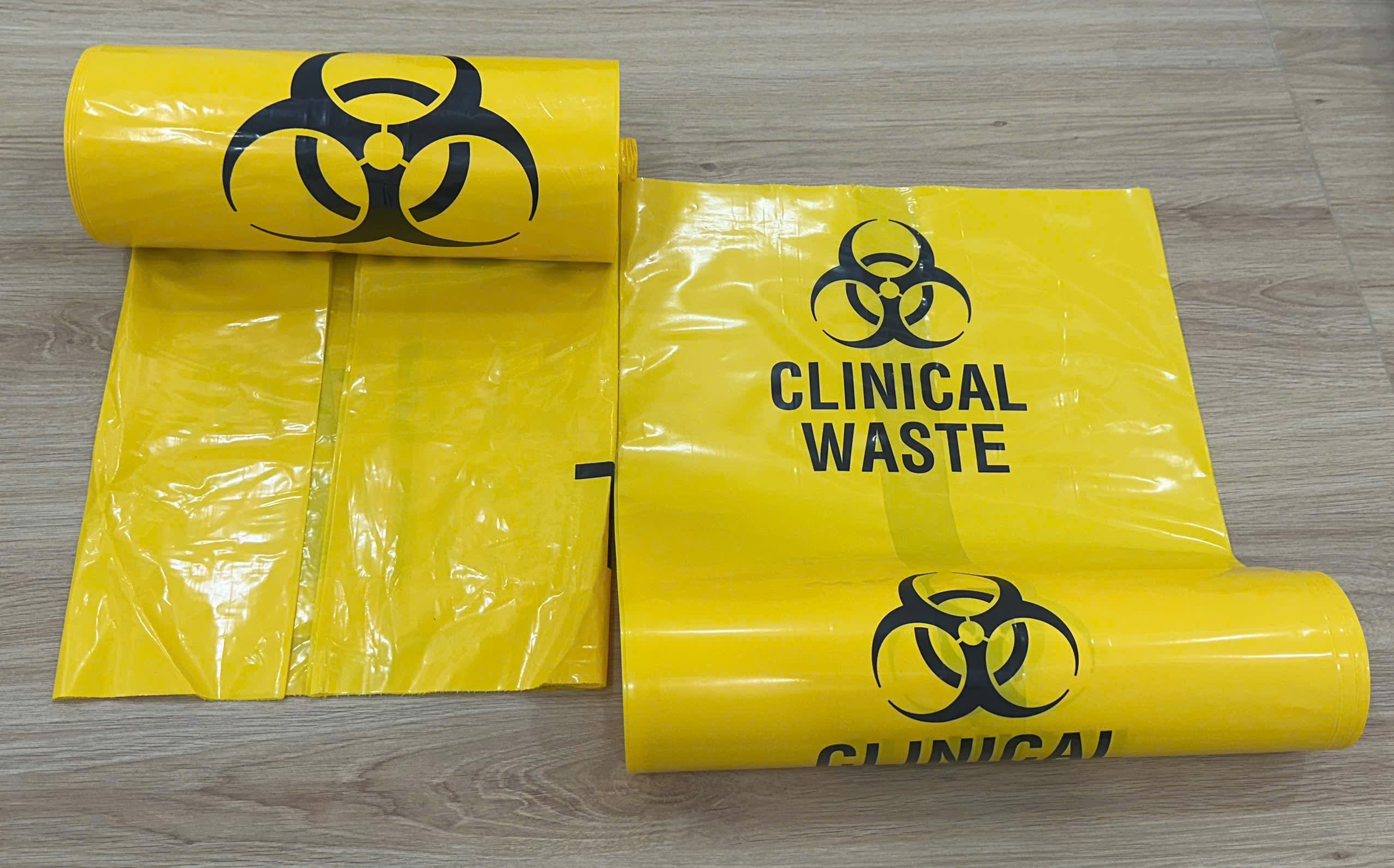
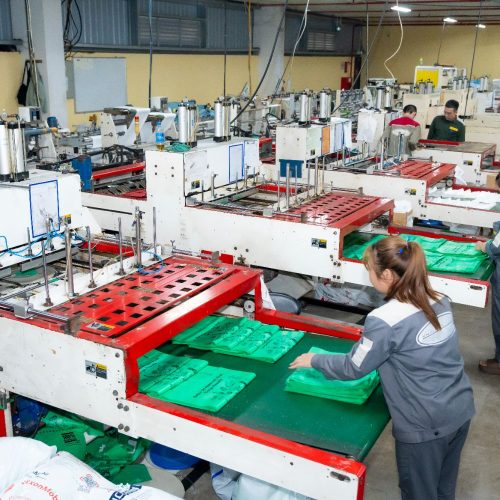
When you search for a reliable plastic bag roll liner, you expect a solution that fits seamlessly into your waste handling process, offers durability, and meets environmental standards. A plastic bag roll liner is a continuous roll of heavy‑duty polyethylene bags that can be cut to size and used as liners for refuse sacks, garbage containers, and hazardous waste bins. They provide a leak‑proof barrier, simplify bag changes, and reduce contamination risk. Below, we break down the essential features, selection criteria, and real‑world applications to help you choose the best liner for your operation.
What Is a Plastic Bag Roll Liner?
A plastic bag roll liner is a roll of pre‑manufactured polyethylene bags, typically ranging from 30 µm to 120 µm in thickness. The roll format allows users to cut the exact length needed, minimizing waste and storage space. These liners are commonly used in:
- Commercial waste collection
- Industrial hazardous waste containment
- Food processing and packaging
- Construction site debris management
Key Material Characteristics
Polyethylene Grade
Most liners are made from low‑density polyethylene (LDPE) for flexibility or high‑density polyethylene (HDPE) for extra strength. LDPE offers better stretchability, while HDPE resists punctures and tears.
Thickness & Strength
Thickness determines load capacity:
- 30‑50 µm: Light‑weight refuse sacks, suitable for office waste.
- 60‑80 µm: General‑purpose garbage bags, ideal for municipal collection.
- 100‑120 µm: Heavy‑duty or hazardous waste liners, resistant to sharp objects.
Recyclability
Many VNPLAST liners are produced from recycled polyethylene, meeting circular‑economy goals while maintaining performance.
How to Choose the Right Plastic Bag Roll Liner
Use the following checklist to match a liner to your specific needs:
- Load type: Solid waste, liquid waste, or mixed debris.
- Weight capacity: Verify the gram‑per‑square‑meter rating.
- Environmental compliance: Look for recycled content or certifications.
- Compatibility with equipment: Ensure the liner fits your existing bagging or sealing tools.
- Regulatory requirements: Hazardous waste may need specific thickness or color coding.
Comparison: Plastic Bag Roll Liners vs. Other Containment Options
| Feature | Plastic Bag Roll Liner | Hand Stretch Film | Die Cut Bag Plastic |
|---|---|---|---|
| Customization | Cut to exact length on‑site | Limited to roll width | Pre‑cut sizes only |
| Storage Space | Compact roll | Bulky rolls | Boxed individual bags |
| Durability | High (up to 120 µm) | Low to medium | Medium (fixed thickness) |
| Environmental Impact | Often recycled content | Usually virgin plastic | Varies |
| Cost per Use | Low – pay for only what you cut | Higher – excess material | Higher – pre‑packaged |
Real‑World Use Cases
Municipal Waste Collection
City sanitation crews load 120 µm liners into 240‑liter garbage trucks. The roll format allows quick cutting and reduces bag change time by 30%.
Food Processing Plants
Food‑grade HDPE liners prevent contamination and comply with FDA regulations. They are used to line bins that hold organic waste, ensuring easy disposal and sanitation.
Hazardous Material Storage
For chemical spill containment, a 100 µm liner with reinforced seams provides a secondary barrier, meeting OSHA hazardous waste standards.
Installation and Handling Tips
- Cutting technique: Use a rotary cutter for clean edges and to avoid tearing.
- Sealing: For heavy loads, apply a heat seal or tie the top securely.
- Storage: Keep rolls in a dry, cool area to maintain material integrity.
- Safety: Wear gloves when handling sharp or contaminated waste.
Environmental and Regulatory Considerations
Choosing a liner with recycled content helps lower carbon footprint. Verify that the product complies with local waste‑management regulations, especially for hazardous or food‑grade applications. VNPLAST offers certifications for both recycled material percentages and compliance with EU and US standards.
Conclusion
Plastic bag roll liners deliver flexibility, strength, and cost efficiency for a wide range of waste‑handling scenarios. By evaluating load type, required thickness, and environmental criteria, you can select a liner that maximizes performance while supporting sustainability goals. Whether you are outfitting municipal trucks, a food‑processing facility, or a hazardous waste depot, a properly chosen plastic bag roll liner from VNPLAST ensures reliable protection and streamlined operations.
Frequently Asked Questions
What thickness should I choose for regular household waste?
For typical household refuse, a 50‑70 µm liner provides sufficient strength while keeping costs low.
Can I use a recycled plastic bag roll liner for food waste?
Yes, provided the liner meets food‑grade certification (often marked as FDA‑approved). Verify the recycled content does not compromise safety.
How do I prevent punctures when handling sharp debris?
Opt for a 100 µm or higher HDPE liner with reinforced seams. Adding a secondary inner liner can further reduce risk.
Is a roll liner more cost‑effective than pre‑cut bags?
Generally, yes. You only cut the length you need, eliminating excess material and reducing storage space.
What disposal methods are recommended for used liners?
Used liners can be recycled if they are free of hazardous contaminants. For contaminated waste, follow local hazardous waste disposal guidelines.