When you search for a reliable plastic garbage bag, you expect clear answers on durability, size options, environmental impact, and price. This guide delivers that information in the first 120 words, explaining what a plastic garbage bag is, why it matters for households and businesses, and how to choose the right one for your needs.
Plastic garbage bags are flexible, polyethylene containers designed to hold waste securely until disposal. They come in various thicknesses, sizes, and features such as drawstrings, handles, or reinforced seams, making them suitable for everything from kitchen trash to hazardous waste collection.
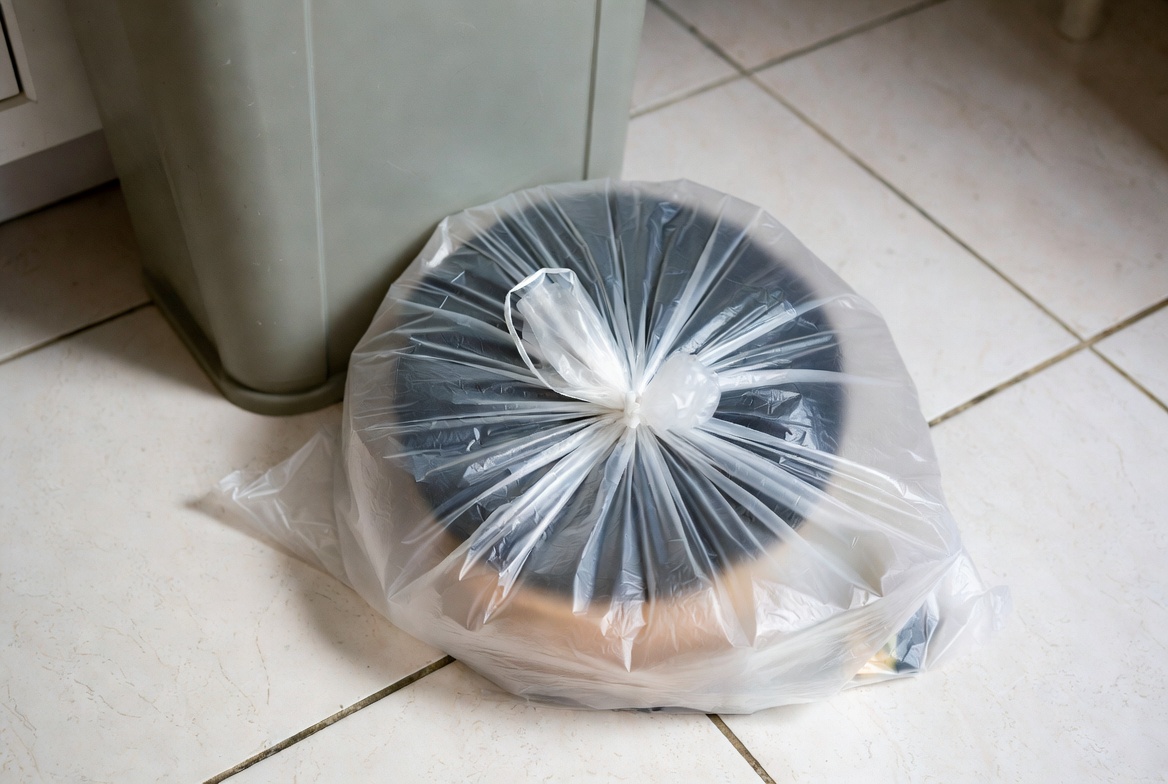
Close‑up of a clear, heavy‑duty plastic garbage bag with a drawstring closure, lying on a tiled floor next to a kitchen trash can, showing …
Key Features to Evaluate When Selecting a Plastic Garbage Bag
Understanding the core specifications helps you match the bag to the task. Below are the most critical factors:
- Material thickness (mil) – Ranges from 0.5 mil for lightweight liners to 3 mil for industrial refuse sacks.
- Size and capacity – Measured by width, length, and gallon rating (e.g., 13 gal, 30 gal, 55 gal).
- Closure type – Drawstring, twist tie, or flat seal; each offers different security levels.
- Reinforcement – Double‑seam, gusseted bottom, or block header designs increase load‑bearing strength.
- Specialty features – UV resistance for outdoor use, odor‑control additives, or hazardous‑waste compliance markings.
How Thickness Impacts Performance
Thickness directly correlates with tear resistance and load capacity. For example, a 2 mil bag can hold up to 30 kg of dry waste, while a 0.8 mil kitchen liner is best for light, moist trash.
Size Charts for Common Applications
- Kitchen use: 13 gal (30 cm × 45 cm) – fits standard countertop bins.
- Outdoor clean‑up: 30 gal (45 cm × 60 cm) – suitable for garden debris.
- Industrial refuse: 55 gal (55 cm × 80 cm) – ideal for warehouse waste.
- Hazardous waste: 30 gal with reinforced block header – meets safety regulations.
Comparing Plastic Garbage Bags with Alternative Solutions
While plastic garbage bags dominate the market, other options exist. The following comparison helps you decide whether plastic remains the best choice for your operation.
| Criteria | Plastic Garbage Bag | Biodegradable Bag | Reusable Bin Liner |
|---|---|---|---|
| Cost per unit | Low | Medium‑high | High (initial) |
| Strength | High (up to 3 mil) | Medium (0.5–1 mil) | Very high (fabric) |
| Environmental impact | Depends on recycling | Compostable (30‑60 days) | Low after purchase |
| Availability | Widely stocked | Limited in some regions | Specialty suppliers |
| Best use case | General waste, hazardous, heavy loads | Organic waste, short‑term projects | Long‑term commercial settings |
Real‑World Use Cases for Different Types of Plastic Garbage Bags
Choosing the right bag depends on the specific waste stream. Below are common scenarios and the recommended bag type.
- Residential kitchen waste – 13 gal drawstring bag with 0.8 mil thickness to prevent leaks.
- Construction site debris – 55 gal double‑seam bag, 2 mil, block header for heavy, sharp objects.
- Food service establishments – Food‑grade polyethylene bag, 1 mil, with odor‑control additive.
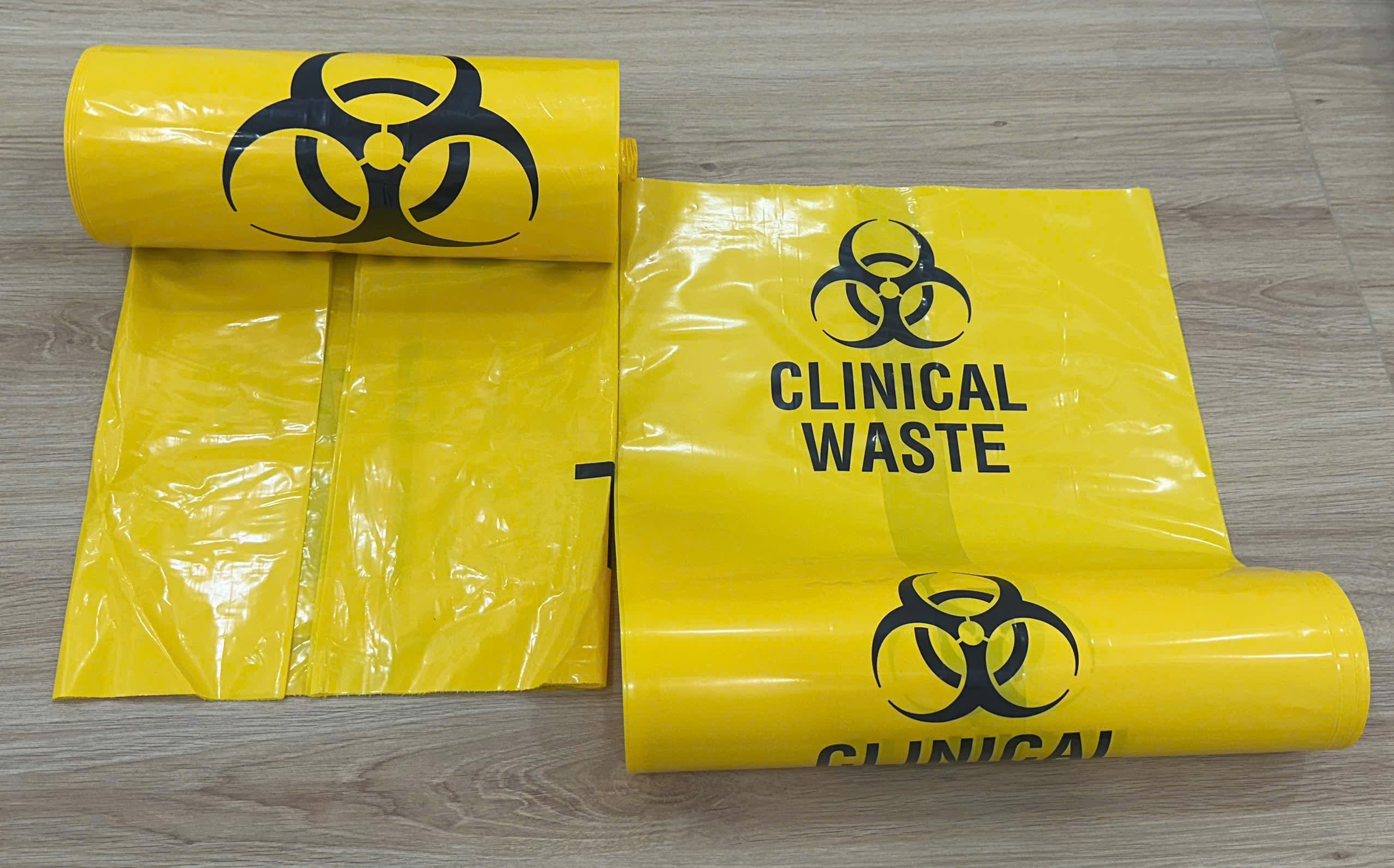
- Medical or hazardous chemicals – Hazardous plastic garbage bag, 2.5 mil, with warning symbols and reinforced seams.
- Outdoor event clean‑up – UV‑resistant 30 gal bag, 1.5 mil, with tie‑off strap.
Checklist: Selecting the Ideal Plastic Garbage Bag for Your Business
- Identify the waste type (dry, wet, hazardous, organic).
- Determine required load capacity (kg or volume).
- Choose appropriate thickness (mil) for strength.
- Select size that fits your containers.
- Decide on closure method (drawstring, seal, or tie).
- Verify compliance with local recycling or hazardous‑waste regulations.
- Consider any special features (odor control, UV resistance).
- Compare unit price against budget constraints.
- Check supplier reliability – e.g., VNPLAST’s track record for consistent quality.
Environmental Considerations and Recycling Options
Plastic garbage bags are often made from low‑density polyethylene (LDPE) or high‑density polyethylene (HDPE). Both materials are recyclable, but the recycling rate varies by region. To improve sustainability:
- Choose bags labeled “recyclable” and ensure they are clean before disposal.
- Prefer bags made from recycled plastic content – many manufacturers now offer 30 % post‑consumer material.
- Implement a waste‑segregation program to keep plastic bags separate from organic waste.
- Explore reusable alternatives for high‑volume commercial settings.
Common Questions About Plastic Garbage Bags
Below are quick answers to frequent queries that help you avoid common pitfalls.
- Can I use a kitchen‑size bag for construction waste? No – kitchen bags lack the thickness and reinforcement needed for heavy, sharp debris.
- Are drawstring bags better than flat‑seal bags? Drawstrings provide a secure closure and easier handling, while flat‑seal bags are quicker to pack but may open under load.
- Do hazardous plastic garbage bags require special certification? Yes – they must meet local safety standards and display appropriate hazard symbols.
- How many times can I recycle a plastic garbage bag? Typically, a bag can be recycled once into a new product; after that, it may be down‑cycled into lower‑grade material.
Conclusion
Choosing the right plastic garbage bag hinges on understanding thickness, size, closure type, and special features such as reinforcement or hazardous‑waste compliance. By following the checklist, comparing alternatives, and considering recycling pathways, you can select a bag that maximizes cost efficiency, durability, and environmental responsibility. VNPLAST offers a broad portfolio—including Hand Stretch Film, Die Cut Bag Plastic, and Recycle Plastic Bag solutions—ensuring you find the perfect match for any waste‑management challenge.
FAQ
- What thickness is recommended for household kitchen waste? A 0.8 mil to 1 mil bag provides sufficient strength while remaining affordable.
- Are plastic garbage bags suitable for outdoor use? Yes, choose UV‑resistant bags with a thickness of at least 1.5 mil for exposure to sunlight.
- How do I know if a bag is compliant with hazardous‑waste regulations? Look for certification labels, reinforced seams, and clear hazard symbols on the packaging.
- Can I recycle a used plastic garbage bag with my regular curbside program? Only if the bag is clean and the local program accepts LDPE/HDPE films; otherwise, take it to a dedicated recycling facility.
- Is there a cost benefit to buying bulk plastic garbage bags? Bulk purchases reduce per‑unit price and minimize packaging waste, especially when the bags meet your exact specifications.