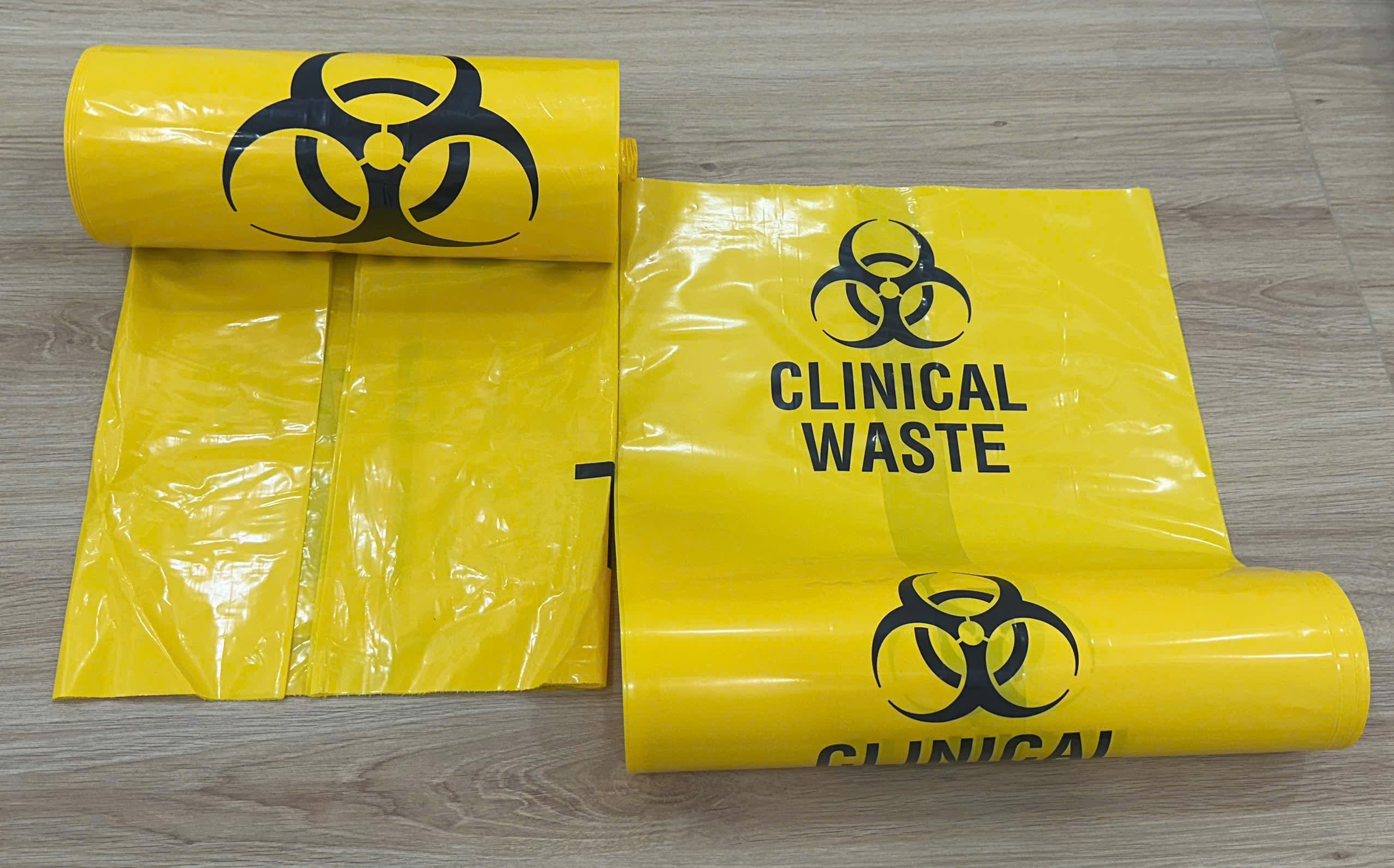
When you search for a reliable solution to keep waste contained, the plastic trash sack is often the first product that appears. A plastic trash sack is a durable, flexible bag designed to collect and transport refuse safely. Made from various grades of polyethylene, these sacks are available in multiple sizes, thicknesses, and configurations to match specific waste streams—from household garbage to hazardous industrial debris. This guide explains how to choose the right sack, outlines key performance factors, and provides actionable tips for maximizing safety and cost‑effectiveness.
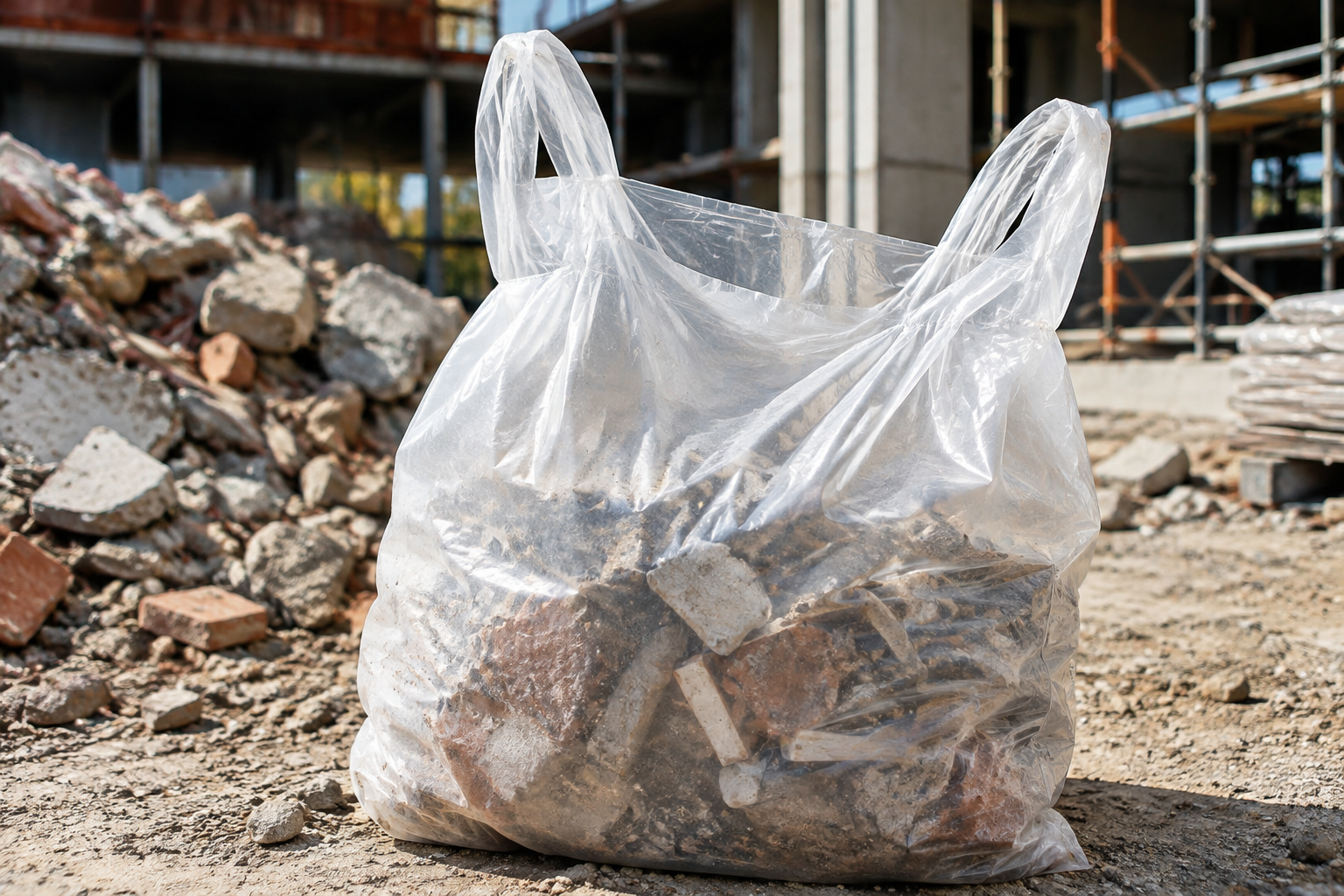
close‑up of a clear polyethylene plastic trash sack with reinforced handles, placed on a construction site, showing its thickness and label…
Why Choose Plastic Trash Sacks Over Alternative Containers?
Plastic trash sacks outperform many traditional waste containers because they offer:
- Flexibility: Easy to fold, store, and transport.
- Water resistance: Prevents leaks and protects surrounding surfaces.
- Strength: High‑density polyethylene (HDPE) or low‑density polyethylene (LDPE) options resist tearing under heavy loads.
- Cost efficiency: Lower upfront cost compared to rigid bins.
- Recyclability: Many sacks are made from recyclable plastics, supporting circular waste management.
Key Decision Factors When Selecting a Plastic Trash Sack
1. Material Grade and Thickness
The material determines durability and suitability for specific waste types:
- LDPE (0.5‑1.5 mm): Ideal for light residential waste and food‑grade applications.
- HDPE (1.0‑2.5 mm): Best for heavy industrial debris, construction refuse, and hazardous waste.
- Linear Low‑Density Polyethylene (LLDPE): Offers superior puncture resistance for sharp objects.
2. Size and Capacity
Match the sack size to the volume of waste generated:
- 30 L – 50 L: Household kitchens, office desks.
- 100 L – 200 L: Retail back‑rooms, small workshops.
- 300 L – 500 L: Construction sites, large‑scale manufacturing.
3. Closure Type
- Drawstring: Quick sealing, ideal for residential use.
- Twist‑tie: Re‑usable, good for repeatable collection cycles.
- Heat‑sealable: Required for hazardous waste to prevent leakage.
4. Reinforcements and Handles
For heavy loads, look for:
- Double‑stitched seams to prevent split under weight.
- Reinforced handles made from woven polypropylene or molded plastic.
- Bottom gussets that expand to increase capacity without compromising strength.
Common Applications and Real‑World Use Cases
Residential and Commercial Kitchens
Food‑grade plastic trash sacks keep grease and moisture contained, complying with health codes. They are often paired with Food Plastic Bag liners for dual protection.
Construction and Demolition
Heavy‑duty sacks with 2 mm HDPE can hold concrete rubble, metal scraps, and broken tiles. The refuse sack plastic bag variant includes a tear‑resistant bottom and reinforced handles for easy loading onto trucks.
Hazardous Waste Management
For chemical spills or medical waste, select sacks with Hazardous Plastic Garbage certification, featuring heat‑sealable tops and puncture‑proof walls.
Industrial Packaging and Shipping
When shipping bulk items, Hand Stretch Film and Die Cut Bag Plastic can be combined with a plastic trash sack to create a sealed, protective package.
Checklist: Choosing the Right Plastic Trash Sack for Your Operation
- Identify the waste type (organic, recyclable, hazardous).
- Determine the average daily volume and peak load.
- Select material grade (LDPE, HDPE, LLDPE) based on weight and sharpness.
- Choose appropriate size and capacity.
- Confirm closure method matches disposal workflow.
- Verify reinforcement needs (handles, bottom gussets, double stitching).
- Check compliance with local recycling and hazardous waste regulations.
- Consider brand reputation – VNPLAST offers a full range of certified plastic bags.
Pros and Cons of Plastic Trash Sacks Compared to Alternative Solutions
| Feature | Plastic Trash Sack | Rigid Bin | Biodegradable Bag |
|---|---|---|---|
| Cost per unit | Low | High | Medium |
| Space storage | Compact | Bulky | Compact |
| Durability under heavy load | High (HDPE) | Very high | Low |
| Leak resistance | Excellent | Good | Variable |
| Environmental impact | Reusable if recycled | Long lifespan | Compostable |
Installation and Handling Best Practices
Proper Deployment
- Unfold the sack on a flat surface, ensuring the opening faces upward.
- Secure the handles or drawstring before loading to prevent slippage.
- Distribute weight evenly, avoiding over‑filling beyond the manufacturer’s limit.
- Seal the top using the designated closure method immediately after loading.
- Transport the sack using a trolley or forklift when weight exceeds 50 kg.
Safety Precautions
- Wear gloves when handling sharp or hazardous waste.
- Never store sacks near open flames; polyethylene can melt at 120 °C.
- For hazardous waste, double‑bag and label according to local regulations.
- Inspect seams for tears before each use; replace damaged sacks immediately.
Maintenance, Recycling, and End‑of‑Life Considerations
After use, most plastic trash sacks can be recycled through municipal programs that accept LDPE/HDPE. To facilitate recycling:
- Rinse the sack to remove residual waste.
- Remove any non‑plastic attachments (e.g., metal ties).
- Flatten the sack to reduce volume.
- Deposit in the appropriate recycling bin labeled “plastic bags.”
If recycling is unavailable, consider a bulk waste-to-energy conversion, which safely incinerates polyethylene while recovering energy.
Frequently Asked Questions
What thickness is recommended for a standard household trash sack?
A thickness of 0.8 mm LDPE provides sufficient strength for everyday kitchen waste while remaining affordable.
Can plastic trash sacks be used for hazardous chemical waste?
Only sacks specifically labeled as Hazardous Plastic Garbage with heat‑sealable tops and puncture‑resistant walls should be used for chemical or medical waste.
How do I determine the correct size for a construction site?
Calculate the maximum daily volume of debris, then select a sack with at least 20 % extra capacity. For most medium‑size sites, a 300 L HDPE sack with reinforced handles is ideal.
Are VNPLAST’s plastic trash sacks recyclable?
Yes, VNPLAST manufactures its sacks from recyclable HDPE or LDPE. Follow local recycling guidelines to ensure proper processing.
What is the difference between a drawstring and a twist‑tie closure?
Drawstrings offer quick sealing and are best for single‑use applications, while twist‑ties allow the sack to be opened and resealed multiple times, extending its service life.
Conclusion
Choosing the right plastic trash sack hinges on understanding material grades, thickness, size, and closure types. By aligning these factors with your specific waste streams—whether it’s everyday household refuse, construction debris, or hazardous materials—you can achieve safer handling, lower costs, and better environmental outcomes. VNPLAST’s extensive product line, including Hand Stretch Film, Die Cut Bag Plastic, and specialized Hazardous Plastic Garbage options, provides the flexibility needed for any industry. Implement the checklist and best‑practice guidelines above to ensure optimal performance and compliance.