If you’re searching for “plastic bag recycling near me,” you’ve come to the right place. This guide explains how to locate local drop‑off points, what types of bags VNPLAST accepts, and the steps to ensure your bags are processed responsibly. By following these practical tips, you can turn everyday waste—hand stretch film, die‑cut bags, refuse sacks, and even hazardous plastic garbage—into a resource for new products.
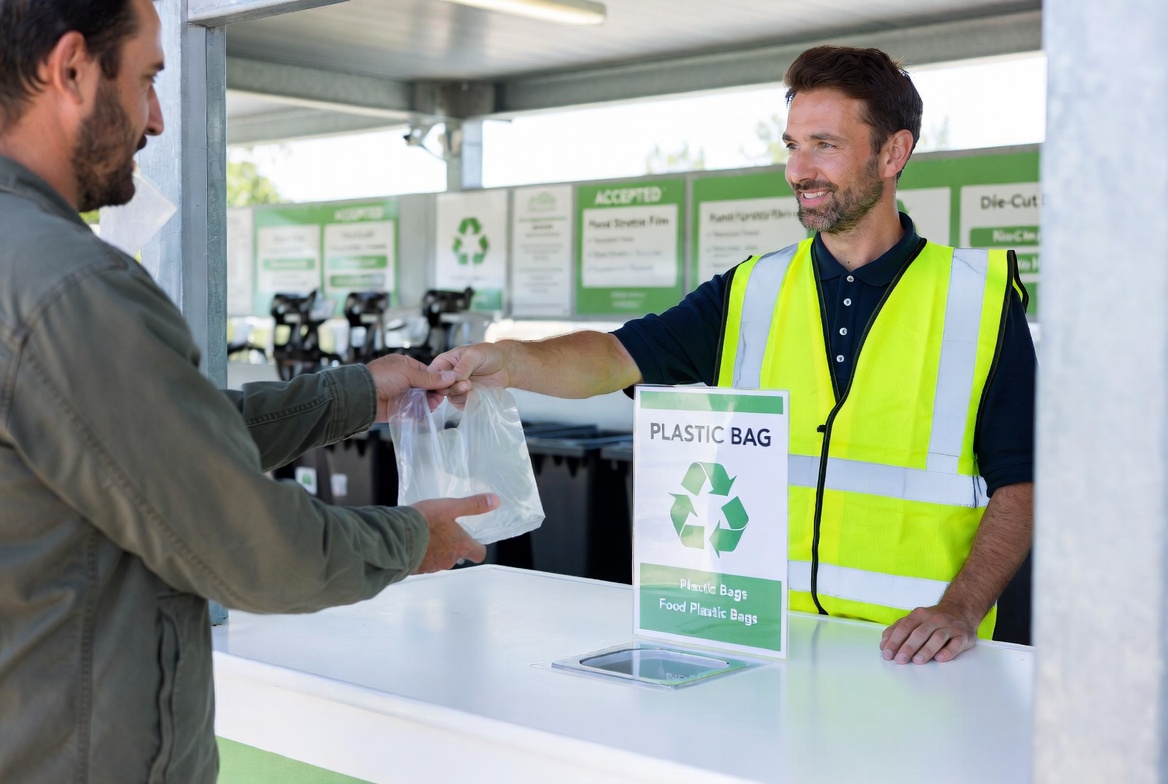
A busy recycling drop‑off station with clear signage showing accepted plastic bags such as hand stretch film, die‑cut bags, and food plasti…
How to Locate Plastic Bag Recycling Near Me
Finding a convenient recycling location is easier than you think. Follow this quick decision checklist:
- Use online maps. Search “plastic bag recycling near me” on Google Maps or Apple Maps. Look for locations tagged as “plastic bag drop‑off,” “store recycling,” or “municipal recycling center.”
- Check retailer programs. Major supermarkets, hardware stores, and packaging suppliers often host free collection bins for hand stretch film, refuse sacks, and block header plastic bags.
- Visit VNPLAST’s partner network. VNPLAST collaborates with local waste‑management firms; their website lists certified drop‑off points across Vietnam.
- Contact your municipality. City waste services usually publish a schedule for curbside pickup of large plastic bags or provide a list of approved facilities.
Key Decision Factors When Choosing a Facility
- Accepted bag types. Verify whether the center accepts the specific bag you have—hand stretch film, die‑cut bag plastic, hazardous plastic garbage, etc.
- Operating hours. Choose a location with convenient opening times to fit your schedule.
- Processing capability. Some facilities can recycle mixed‑material bags, while others only handle clean, single‑layer polyethylene.
- Proximity and transportation. A site within 5‑10 km reduces carbon footprint and cost.
- Certification. Look for ISO 14001 or local environmental compliance certificates.
What Types of Plastic Bags Can VNPLAST Recycle?
VNPLAST accepts a broad range of polyethylene bags, each requiring specific preparation:
- Hand Stretch Film. Remove any metal clips or tape before drop‑off.
- Die Cut Bag Plastic. Flatten the bag to reduce volume.
- Refuse Sack Plastic Bag. Ensure the sack is free of organic waste.
- Garbage Plastic Bag. Only clean, dry bags are accepted; contaminated bags go to hazardous waste streams.
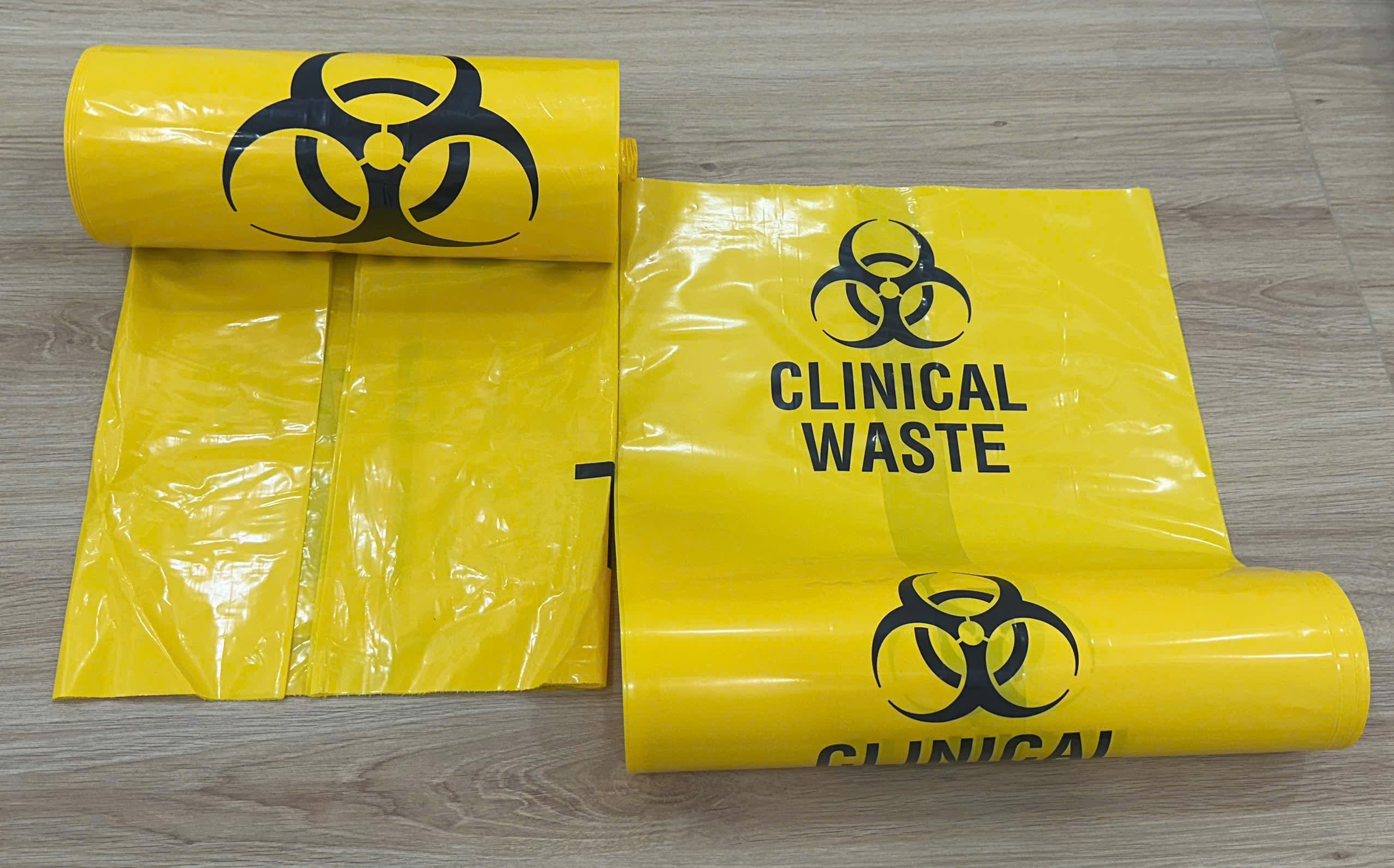
- Hazardous Plastic Garbage. Must be labeled and placed in sealed containers; contact VNPLAST for special handling.
- Handle Wrap Tool Plastic Bag. Remove any metal fasteners.
- Block Header Plastic Bag. Rinse if they contained food residues.
- Food Plastic Bag. Rinse and dry; avoid bags with oil or grease.
Preparation Checklist for Each Bag Category
- Rinse. Remove food residue or chemicals.
- Dry. Air‑dry or wipe with a clean cloth.
- Flatten. Collapse the bag to save space.
- Separate. Keep hazardous bags separate and clearly labeled.
- Bag size limit. Most facilities accept bags up to 120 cm in length.
Real‑World Use Cases: How Businesses Turn Recycled Bags into New Products
Companies across Southeast Asia are leveraging VNPLAST’s recycled‑plastic stream to create high‑value items. Below are three illustrative examples:
- Construction industry. Recycled hand stretch film is melted and re‑extruded into durable construction membranes.
- Agricultural packaging. Die‑cut bag plastic is processed into reusable mulch film, reducing the need for virgin plastic.
- Retail logistics. Refuse sacks are transformed into sturdy bulk‑handling bags for warehouse operations.
Pros and Cons of Recycling Plastic Bags Locally
- Pros:
- Reduces landfill volume and marine pollution.
- Creates a circular economy loop for VNPLAST’s product lines.
- Often free or low‑cost for individuals and small businesses.
- Cons:
- Requires clean, dry bags; contamination can reject the load.
- Not all municipalities accept mixed‑material bags.
- Transport logistics may add hidden costs for remote locations.
Step‑by‑Step Guide to Drop Off Your Plastic Bags
- Identify a nearby facility. Use the map search or VNPLAST partner list.
- Gather and sort bags. Separate by type and clean as per the preparation checklist.
- Package the bags. Place them in a reusable tote or cardboard box to keep them organized.
- Transport to the drop‑off point. If the site offers a scheduled pickup, arrange a collection.
- Confirm receipt. Ask the staff for a receipt or confirmation number for record‑keeping.
- Track impact. VNPLAST provides an online portal where you can see how many kilograms of plastic you’ve helped recycle.
Frequently Asked Questions (FAQ)
Can I recycle plastic grocery bags at a local recycling center?
Yes, most centers that accept “plastic bag recycling near me” will take clean grocery bags. Ensure they are free of food residue and flattened before drop‑off.
What should I do with contaminated or greasy food bags?
Rinse them thoroughly. If they remain heavily soiled, they should be placed in the “hazardous plastic garbage” stream and handled according to local regulations.
Do I need to separate different types of polyethylene bags?
While many facilities can process mixed polyethylene, separating hand stretch film, die‑cut bags, and block header bags improves material quality and reduces processing costs.
Is there a limit to how many bags I can drop off at once?
Most drop‑off points accept bulk quantities, but some may have a weight limit (e.g., 50 kg per visit). Check the site’s guidelines before arriving.
Can businesses get a regular collection service for large volumes?
Yes. VNPLAST offers scheduled pickups for commercial accounts. Contact their sales team through the VNPLAST website for a customized quote.
Conclusion
Finding “plastic bag recycling near me” is straightforward when you know the right tools and criteria. Use online maps, retailer programs, and VNPLAST’s partner network to locate certified drop‑off points. Prepare each bag type according to the checklist, and consider the environmental and economic benefits highlighted in the pros/cons analysis. By turning everyday plastic waste into valuable raw material, you support a circular economy and help VNPLAST deliver sustainable packaging solutions.