When you search for a reliable hand stretch film roll, you need clear answers fast. A hand stretch film roll is a manually applied, stretchable plastic film designed to secure loads on pallets, wrap bundles, and protect goods during transport. It offers high elasticity, puncture resistance, and cost‑effective protection without the need for powered stretchers. This guide explains how hand stretch film rolls work, when they outperform machine‑applied films, and which product specifications matter most for your operation.
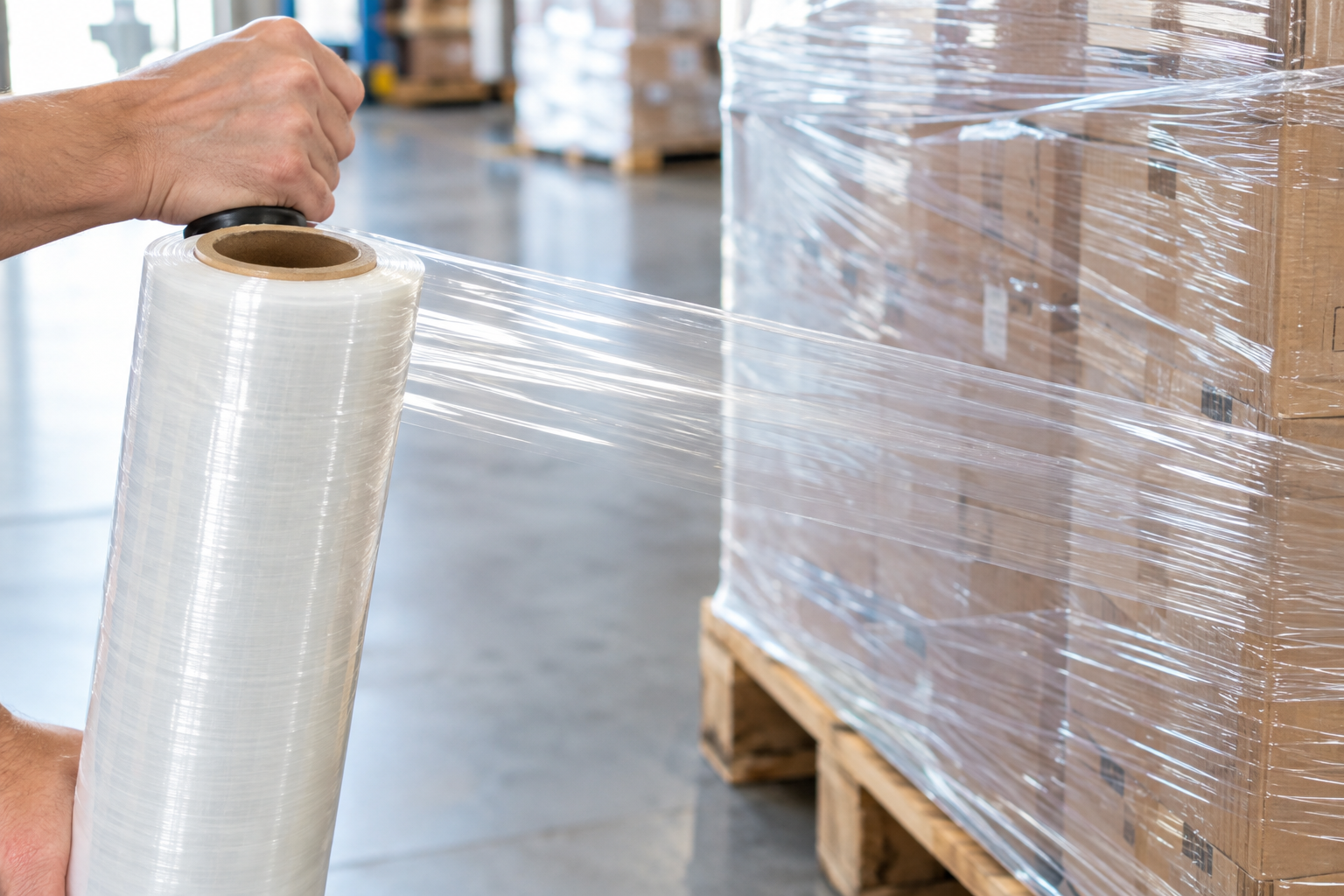
Close‑up of a hand stretch film roll on a pallet, showing the clear, glossy film wound on a cardboard core, a hand pulling the film, and a …
What Is a Hand Stretch Film Roll?
A hand stretch film roll consists of a thin polyethylene film wound around a cardboard or plastic core. The film is engineered to stretch up to 300 % of its original length, then recover its shape to create a tight, uniform wrap around items. Unlike machine‑stretch films, it is applied manually using a hand stretch film dispenser or directly from the roll.
Key Characteristics
- Material: Low‑density polyethylene (LDPE) or linear low‑density polyethylene (LLDPE) for flexibility.
- Thickness (gauge): Typically 12‑30 µm; thicker gauges provide higher puncture resistance.
- Pre‑stretch level: 100 %–300 % stretch before application, influencing load stability.
- Core size: Commonly 3 in or 4 in diameter, compatible with standard hand dispensers.
How Hand Stretch Film Roll Compares to Other Stretch Films
Choosing between hand‑applied and machine‑applied stretch films depends on load size, labor costs, and throughput requirements.
- Labor Efficiency: Hand stretch film requires one operator per pallet, ideal for low‑to‑medium volume warehouses.
- Cost per Roll: Hand rolls are generally 30 %–50 % cheaper than machine‑stretch rolls because they need no powered equipment.
- Load Stability: Machine‑stretch films can achieve higher uniform tension, but modern hand films with high pre‑stretch can meet most stability standards.
- Environmental Impact: Hand films often use less material per wrap, reducing waste and improving recyclability.
Decision Checklist: Selecting the Right Hand Stretch Film Roll
Use this checklist to match product specs with your operational needs:
- Load Weight & Size: Choose thicker gauges (≥ 20 µm) for heavy pallets (> 500 kg).
- Product Sensitivity: Opt for low‑scratch films for delicate items like food plastic bags or electronics.
- Environmental Regulations: Verify that the film meets local recycling standards if you handle recycle plastic bag programs.
- Dispensing Method: Ensure compatibility with your existing hand dispenser or consider a hand stretch film dispenser upgrade.
- Cost per Pallet: Calculate total cost (film + labor) and compare against machine‑stretch alternatives.
Real‑World Applications of Hand Stretch Film Roll
Hand stretch film rolls are versatile across many industries. Below are common use cases that illustrate their value.
- Food Packaging: Secure trays of frozen vegetables using a food‑grade hand stretch film to maintain hygiene and prevent moisture loss.
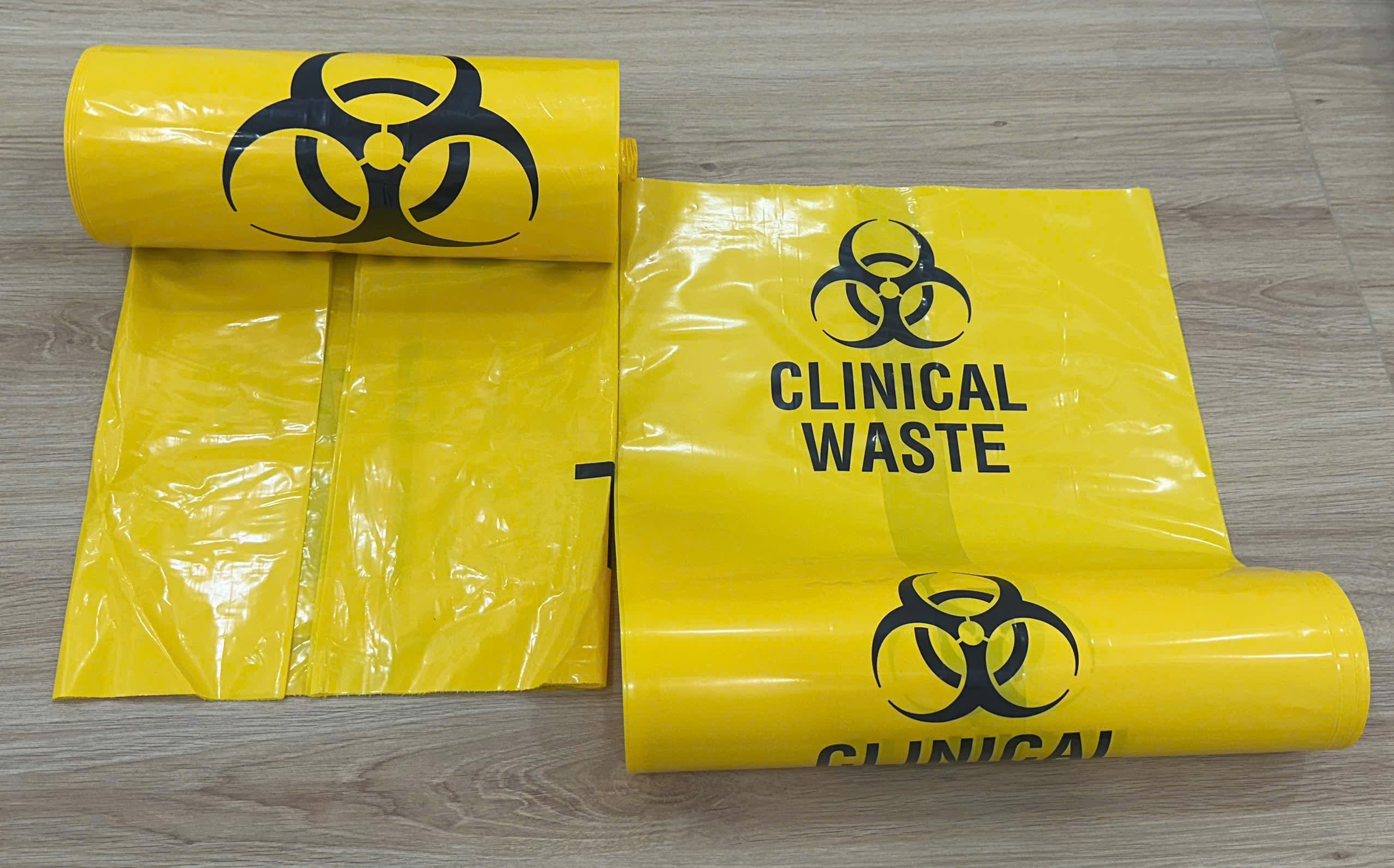
- Hazardous Waste Management: Wrap hazardous plastic garbage bags and refuse sack plastic bags to contain spills and comply with safety regulations.
- Retail & E‑commerce: Bundle multiple die‑cut bag plastics for shipment, reducing package dimensions and shipping costs.
- Construction Materials: Bundle block header plastic bags and handle wrap tool plastic bags for easy transport on site.
- Recycling Operations: Bundle recycle plastic bags for efficient collection and processing.
Installation and Handling Tips for Optimal Performance
Proper technique maximizes the protective benefits of hand stretch film rolls.
- Pre‑stretch the film: Pull the film 150 %–200 % before contacting the load to achieve uniform tension.
- Overlap correctly: Aim for 50 %–75 % overlap on each wrap layer to prevent gaps.
- Maintain consistent speed: Move the roll at a steady pace; too fast reduces stretch, too slow increases film usage.
- Use a dispenser with a cutting edge: This ensures clean cuts and reduces waste.
- Store rolls in a cool, dry area: Prevents film from becoming brittle or sticky.
Pros and Cons of Hand Stretch Film Roll
- Pros:
- Low upfront equipment cost.
- Flexibility for varied pallet sizes.
- Reduced material waste.
- Easier to train new operators.
- Cons:
- Higher labor intensity for large volumes.
- Potential for inconsistent tension if not properly trained.
- Limited maximum load stability compared to high‑performance machine films.
Frequently Asked Questions
What thickness should I choose for a hand stretch film roll?
For most general‑purpose applications, 15 µm to 20 µm offers a good balance of stretchability and puncture resistance. Heavy‑duty loads benefit from 25 µm–30 µm.
Can hand stretch film roll be recycled?
Yes, most hand stretch films are made from recyclable polyethylene. Check local recycling guidelines and ensure the film is clean before collection.
Is a hand stretch film dispenser necessary?
While you can apply the film directly from the roll, a dispenser with a cutting edge improves efficiency, reduces waste, and provides a more consistent stretch.
How does hand stretch film roll perform in cold storage?
Low‑temperature films retain elasticity down to –20 °C, making them suitable for frozen food pallets. Verify the film’s temperature rating before use.
What safety precautions should I take when using hand stretch film?
Wear cut‑resistant gloves to prevent hand injuries, keep the work area free of sharp objects, and store rolls away from heat sources to avoid melting.
Conclusion
Choosing the right hand stretch film roll hinges on understanding material properties, load requirements, and operational costs. By evaluating thickness, pre‑stretch capability, and compatibility with existing dispensers, you can achieve secure, cost‑effective load containment across diverse applications—from food packaging to hazardous waste. Implement the handling tips and checklist above to maximize performance, reduce waste, and maintain compliance with safety and recycling standards.