When you search for hand stretch film wholesale, you expect a clear answer on where to source high‑quality film at the best price, how to choose the right thickness, and what factors affect performance. This guide delivers exactly that—starting with a concise definition, followed by practical buying criteria, real‑world applications, and a step‑by‑step checklist to help you make a confident wholesale purchase.
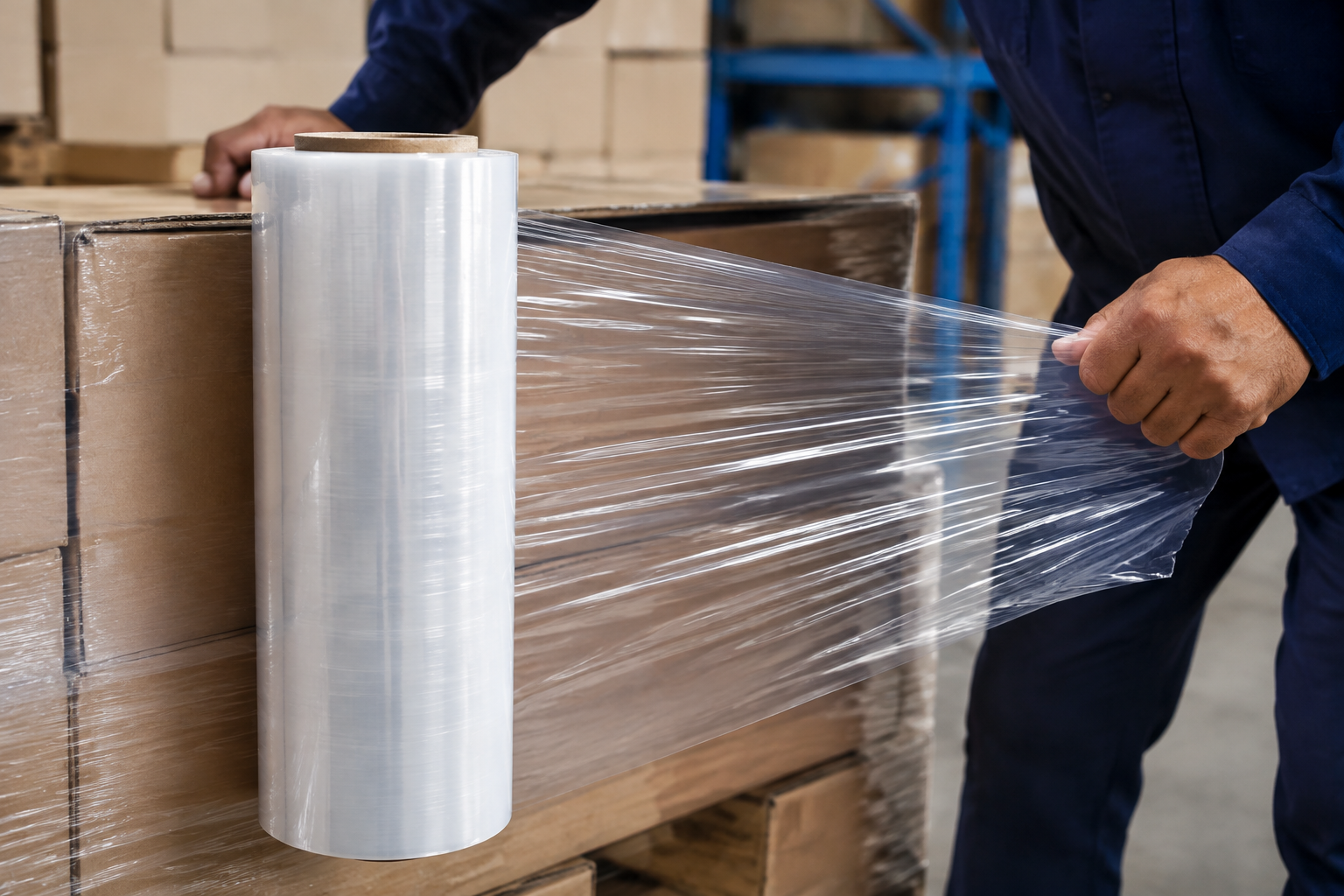
close‑up of a roll of hand stretch film on a pallet, with a warehouse worker pulling the film by hand, showing the transparent plastic and …
What Is Hand Stretch Film and Why Buy Wholesale?
Hand stretch film is a stretchable polyethylene film designed to be applied manually using a hand‑held tool or directly with the fingers. It provides a secure, tamper‑evident seal around products, pallets, and loads without the need for expensive machinery. Purchasing hand stretch film wholesale offers several advantages:
- Cost Savings: Bulk orders reduce per‑roll price, lowering overall packaging expenses.
- Consistent Supply: Large inventory ensures you never run out during peak shipping periods.
- Customization Options: Wholesale suppliers often allow custom widths, thicknesses, and printed branding.
- Environmental Benefits: High‑quality film reduces the number of wraps needed, cutting waste.
Key Decision Factors for Selecting Wholesale Hand Stretch Film
1. Film Thickness (Gauge)
Thickness is measured in microns (µm) and directly influences stretchability and puncture resistance.
- 12‑15 µm: Light‑duty, ideal for small parcels and low‑weight items.
- 16‑20 µm: Medium‑duty, suitable for most pallet loads and mixed‑weight shipments.
- 21‑25 µm: Heavy‑duty, best for high‑impact loads, hazardous waste bags, and outdoor storage.
2. Width and Length
Standard widths range from 600 mm to 1,200 mm; lengths can be ordered from 200 m to 2,000 m per roll. Choose a width that matches your load size to minimize overlap.
3. Stretch Ratio
Stretch ratio indicates how much the film can elongate before breaking. A 200% stretch ratio is typical for hand‑applied film, delivering strong load retention without excessive force.
4. Cling and Recovery
Cling helps the film stay attached to the load during application; recovery (elastic rebound) determines how tightly the film contracts after being released. Look for a balance that provides secure hold without over‑tightening.
5. Environmental Certifications
Many wholesale suppliers, including VNPLAST, offer recycled‑content options (e.g., 30% post‑consumer recycled polyethylene) and certifications such as ISO 14001.
Real‑World Use Cases for Hand Stretch Film
Palletizing Finished Goods
Manufacturers wrap pallets of boxed products to protect against dust, moisture, and shifting during transport. Hand stretch film allows quick, on‑the‑spot sealing without a motorized wrap machine.
Hazardous Waste Containment
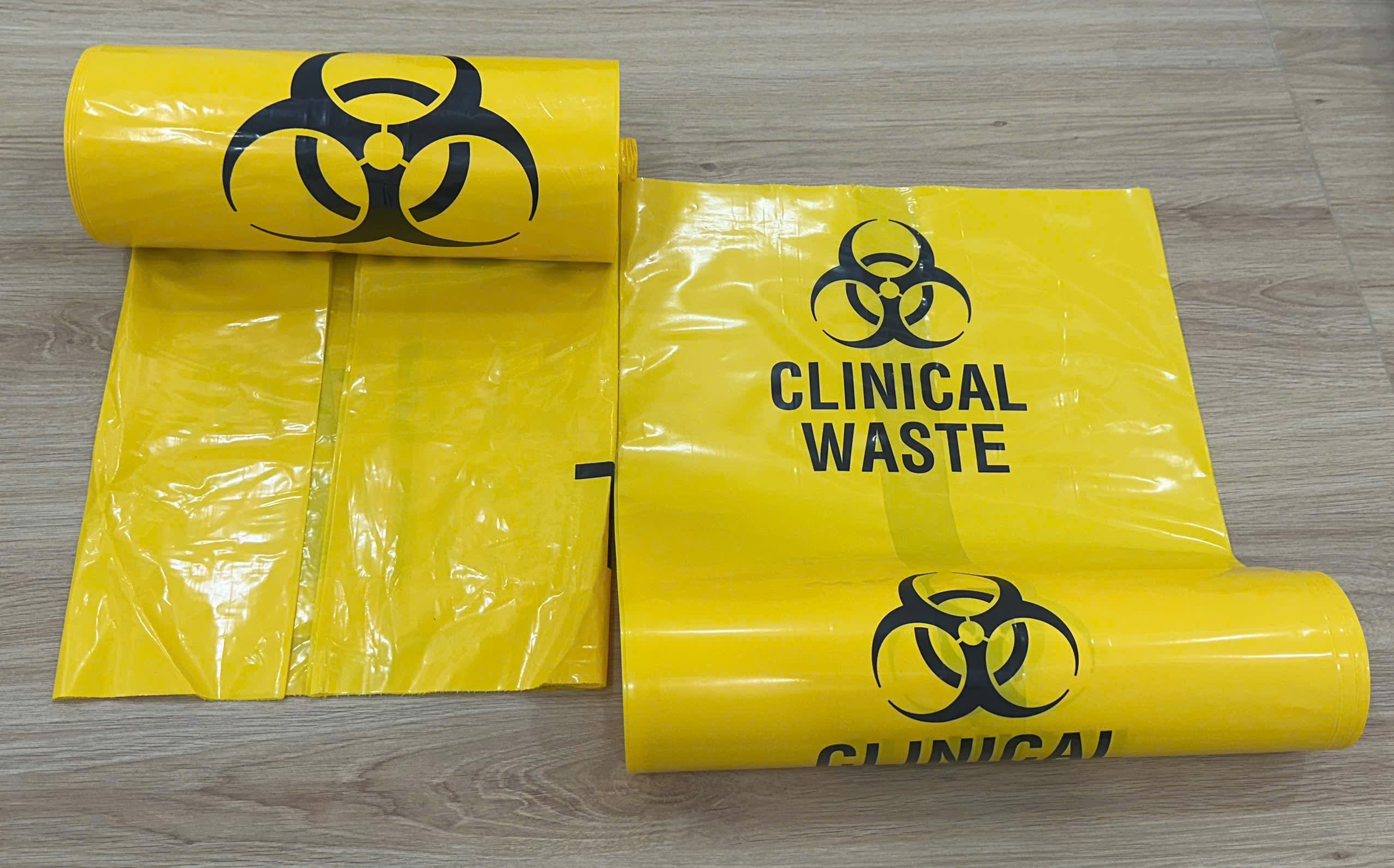
Facilities handling hazardous plastic garbage use heavy‑duty hand stretch film to secure refuse sacks and prevent leaks. The film’s puncture resistance and high stretch ratio are critical for safety compliance.
Food‑Grade Packaging
Food plastic bag producers use hand stretch film to bundle multiple bags together for bulk shipping, ensuring the product stays clean and intact.
Die‑Cut Bag Assembly
When assembling die‑cut plastic bags, a short strip of hand stretch film can temporarily hold the bag shape before sealing, improving efficiency on the production line.
Wholesale Purchasing Checklist
- Determine Required Thickness: Match gauge to load weight and fragility.
- Calculate Total Coverage: Multiply pallet surface area by desired number of layers, then convert to meters of film.
- Verify Width Compatibility: Ensure the film width covers the pallet width with minimal overlap.
- Check Stretch Ratio and Cling: Confirm the film meets your handling speed and load‑security standards.
- Request Sample: Obtain a small roll to test stretch, cling, and recovery on your actual loads.
- Confirm Recycling Content: If sustainability is a priority, ask for recycled‑content percentages and certifications.
- Negotiate Pricing Tiers: Bulk discounts often start at 500 m rolls; ask for volume‑based pricing.
- Review Delivery Terms: Verify lead times, freight costs, and return policies.
- Set Up Reorder Triggers: Use inventory management software to automatically reorder when stock falls below a safety threshold.
Hand Stretch Film vs. Machine Stretch Film: Quick Comparison
| Feature | Hand Stretch Film | Machine Stretch Film |
|---|---|---|
| Application Method | Manual, hand‑held tool or fingers | Automated stretch wrap machine |
| Initial Investment | Low (tool only) | High (machine purchase & maintenance) |
| Flexibility | High – easy to switch loads | Medium – setup time per load |
| Labor Cost | Higher per unit (manual labor) | Lower per unit (automation) |
| Typical Use | Small‑to‑medium batches, variable load sizes | Large‑scale, consistent pallet lines |
| Environmental Impact | Less film waste when properly applied | Potentially more waste if over‑wrap occurs |
How to Store Hand Stretch Film Properly
Improper storage can cause film to become brittle or develop static, reducing stretch performance. Follow these best practices:
- Temperature Control: Keep rolls in a cool, dry area (15‑25 °C). Extreme heat can soften the film; cold can make it brittle.
- Vertical Stacking: Store rolls upright on pallets to prevent crushing.
- Cover Rolls: Use tarps or shrink‑wrap to protect against dust and UV exposure.
- Rotate Stock: Implement FIFO (first‑in, first‑out) to use older rolls before newer ones.
Cost‑Effective Buying Strategies for Hand Stretch Film Wholesale
- Bundle with Complementary Products: Combine hand stretch film orders with related items such as die cut bag plastic or hazardous plastic garbage bags to unlock supplier discounts.
- Leverage Seasonal Promotions: Many manufacturers offer reduced rates during low‑demand periods (e.g., Q1).
- Negotiate Long‑Term Contracts: Commit to a 12‑month supply agreement for predictable pricing and priority production slots.
- Evaluate Total Cost of Ownership (TCO): Include handling labor, waste reduction, and potential damage claims when comparing prices.
- Request Bulk Samples: Some suppliers provide a free 50 m sample when you place a large order, allowing you to verify performance before full commitment.
Frequently Asked Questions
What is the minimum order quantity for hand stretch film wholesale?
Most wholesale distributors, including VNPLAST, start at 200 m rolls. Larger discounts become available at 500 m or 1,000 m thresholds.
Can I get hand stretch film printed with my brand logo?
Yes. Custom printing is a common wholesale service. Minimum print runs typically start at 5,000 m total printed area.
Is recycled hand stretch film as strong as virgin film?
When manufactured to the same gauge, recycled film meets the same tensile strength and stretch ratio specifications. Look for ISO‑certified recycled content to ensure performance parity.
How does hand stretch film perform in humid or rainy conditions?
High‑density polyethylene (HDPE) hand stretch film resists moisture absorption. However, choose a film with a moisture‑barrier coating for outdoor storage to prevent condensation on the load.
What safety precautions should workers follow when applying hand stretch film?
Workers should wear cut‑resistant gloves, keep the film roll away from sharp edges, and avoid over‑stretching, which can cause film breakage and potential injury.
Conclusion
Choosing the right hand stretch film wholesale partner hinges on understanding your load requirements, evaluating film specifications, and leveraging cost‑saving strategies. By following the checklist, comparing key features, and applying proper storage and handling practices, you can secure a reliable supply of high‑performance film that protects your products, reduces waste, and supports your bottom line. VNPLAST offers a comprehensive catalog—including plastic bag variants, recycle plastic bag options, and hazardous waste solutions—ensuring you have all the packaging tools you need under one roof.