Going plastic bag free means eliminating single‑use plastic bags from every stage of your supply chain while maintaining product safety and cost efficiency. This guide explains the why, the how, and the tools you need—such as Hand Stretch Film, Die Cut Bag Plastic alternatives, and reusable Refuse Sack Plastic Bags—to transition smoothly. By the end of this article you’ll have a clear roadmap, a decision checklist, and answers to the most common questions about adopting a plastic‑free strategy.
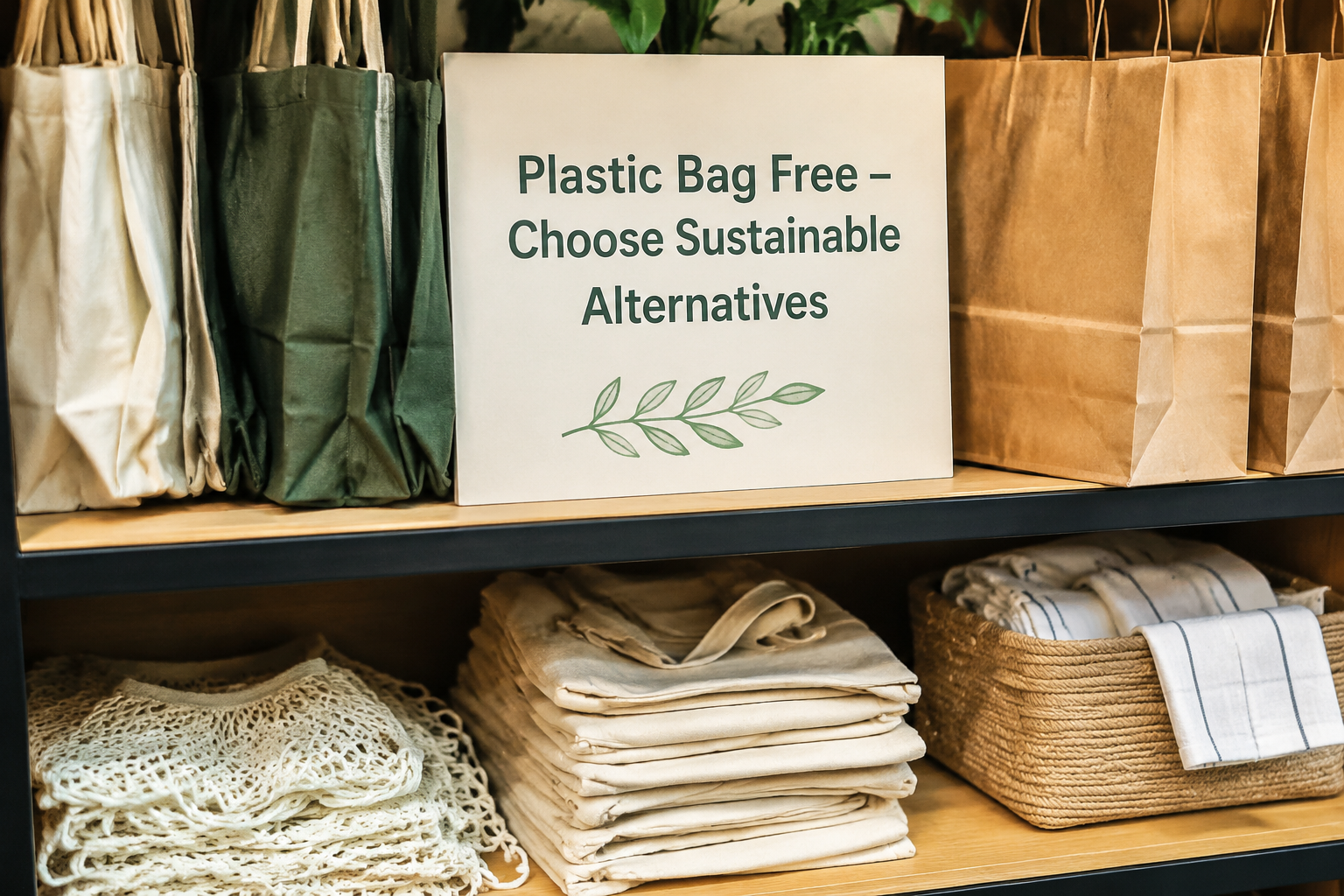
A retail store shelf displaying reusable cloth bags, biodegradable paper bags, and a sign that reads “Plastic Bag Free – Choose Sustainable…
Why Businesses Choose a Plastic Bag Free Model
- Regulatory pressure: Many countries now mandate reductions in single‑use plastics.
- Consumer demand: Shoppers increasingly prefer brands that demonstrate environmental responsibility.
- Cost savings: Reusable or recyclable packaging can lower long‑term procurement expenses.
- Brand reputation: A plastic‑free stance strengthens corporate ESG credentials.
Core Components of a Plastic Bag Free Strategy
1. Substitute Materials
Identify direct replacements for each type of plastic bag you currently use:
- Food Plastic Bag: Switch to compostable PLA films or biodegradable kraft paper bags.
- Garbage Plastic Bag: Use recycled polyethylene bags labeled “Recycle Plastic Bag” to close the loop.
- Hazardous Plastic Garbage: Adopt certified hazardous waste containers made from high‑density polyethylene (HDPE) that meet safety standards.
- Handle Wrap Tool Plastic Bag: Replace with reusable silicone or fabric wraps that can be sanitized.
- Block Header Plastic Bag: Opt for reusable bulk containers with secure locking lids.
2. Protective Stretch Solutions
When eliminating traditional stretch film, consider Hand Stretch Film alternatives that are either biodegradable or made from recycled resin. These films maintain load stability while reducing plastic waste.
3. Process Redesign
Redesign packaging workflows to accommodate new materials:
- Integrate Die Cut Bag Plastic alternatives that are pre‑scored for easy opening, reducing handling time.
- Implement a reverse‑logistics program to collect and sanitize reusable bags.
- Train staff on proper sealing techniques using reusable sealing tools instead of single‑use plastic ties.
Decision Checklist: Is Your Business Ready for a Plastic Bag Free Transition?
- ✅ Have you audited all points where plastic bags are used?
- ✅ Do you have vetted suppliers for biodegradable or recycled alternatives?
- ✅ Is there a clear cost‑benefit analysis comparing current spend versus projected savings?
- ✅ Have you secured internal buy‑in from operations, procurement, and marketing?
- ✅ Is a collection and cleaning system for reusable bags feasible?
Comparison Matrix: Traditional Plastic Bags vs. Sustainable Alternatives
| Feature | Traditional Plastic Bag | Sustainable Alternative |
|---|---|---|
| Material Source | Virgin petroleum‑based polyethylene | Recycled polyethylene, PLA, or kraft paper |
| Decomposition Time | 500+ years | 30‑180 days (compostable) or 1‑3 years (recycled) |
| Cost per Unit (USD) | 0.02‑0.04 | 0.05‑0.12 (initially higher, offsets over time) |
| Regulatory Compliance | Increasingly restricted | Meets most bans and recycling mandates |
| Reusability | Single‑use | Reusable up to 250 cycles (fabric) or 50 cycles (recycled HDPE) |
Real‑World Use Cases
Retail Chain Reduces Plastic Bag Use by 85%
A national retailer partnered with VNPLAST to replace its standard Food Plastic Bag with biodegradable kraft bags and introduced a reusable tote program. Within six months the store reported an 85% reduction in plastic bag purchases, a 12% drop in packaging costs, and a measurable increase in customer loyalty scores.
Industrial Facility Manages Hazardous Waste Without Plastic
An electronics recycling plant switched from conventional Hazardous Plastic Garbage containers to certified HDPE reusable drums equipped with tamper‑proof seals. The change eliminated 1.2 million single‑use bags per year and streamlined compliance reporting.
Implementation Roadmap – 5 Steps to Go Plastic Bag Free
- Audit & Map: List every plastic bag type, quantity, and purpose.
- Source Alternatives: Request samples from suppliers like VNPLAST for Hand Stretch Film, Die Cut Bag Plastic, and Recycle Plastic Bag options.
- Pilot Program: Test alternatives in a single store or production line for 30 days, measuring cost, performance, and employee feedback.
- Scale & Train: Roll out successful solutions across all locations, providing hands‑on training and clear SOPs.
- Monitor & Optimize: Track metrics (waste reduction, cost savings, customer satisfaction) and adjust suppliers or processes as needed.
Pros and Cons of Going Plastic Bag Free
- Pros:
- Reduced environmental footprint
- Compliance with emerging regulations
- Enhanced brand image and customer loyalty
- Long‑term cost savings from reusable systems
- Cons:
- Higher upfront investment in alternative materials
- Need for staff training and process redesign
- Potential logistical challenges in collecting and cleaning reusable bags
Frequently Asked Questions
What is the most cost‑effective alternative to a standard plastic grocery bag?
Recycled polyethylene bags labeled “Recycle Plastic Bag” often provide the best balance of cost, durability, and recyclability. Bulk purchasing can further reduce per‑unit price.
Can biodegradable bags handle the same weight as traditional plastic bags?
High‑quality biodegradable kraft bags can support typical grocery loads (up to 15 kg). For heavier items, consider reusable fabric totes or reinforced paper bags.
How do I ensure my hazardous waste containers meet safety standards?
Choose containers made from certified HDPE with tamper‑proof seals and ensure they are labeled according to local hazardous waste regulations. VNPLAST’s Hazardous Plastic Garbage drums are tested for chemical resistance.
Is there a way to recycle used plastic bags on site?
Implement a collection bin for clean, dry plastic bags and partner with a local recycler that accepts mixed‑plastic films. This creates a closed‑loop system and may qualify for waste‑reduction incentives.
Will customers accept reusable bags, or will it affect sales?
Most customers respond positively when the environmental benefit is clearly communicated. Offering a small discount for bringing a reusable bag can increase adoption and even boost sales.
Conclusion
Transitioning to a plastic bag free operation is a strategic move that aligns environmental responsibility with economic advantage. By auditing current usage, selecting vetted alternatives such as Hand Stretch Film, Die Cut Bag Plastic, and Recycle Plastic Bag products, and following a structured implementation roadmap, businesses can reduce waste, comply with regulations, and strengthen brand loyalty. Start with a pilot, measure results, and scale confidently—your path to a sustainable, plastic‑free future begins today.