Businesses looking to reduce waste and meet sustainability goals need a clear, actionable plastic bag recycling program. This guide explains the essential steps, key decision factors, and real‑world examples that help you design, implement, and scale a program that turns discarded bags—such as Hand Stretch Film, Die Cut Bag Plastic, and Food Plastic Bag—into valuable resources while complying with local regulations.
By the end of this article you will understand:
- Why a dedicated recycling system outperforms generic waste collection.
- How to choose collection containers, partners, and processing methods.
- Practical checklists, cost‑benefit analysis, and FAQs to keep your program on track.
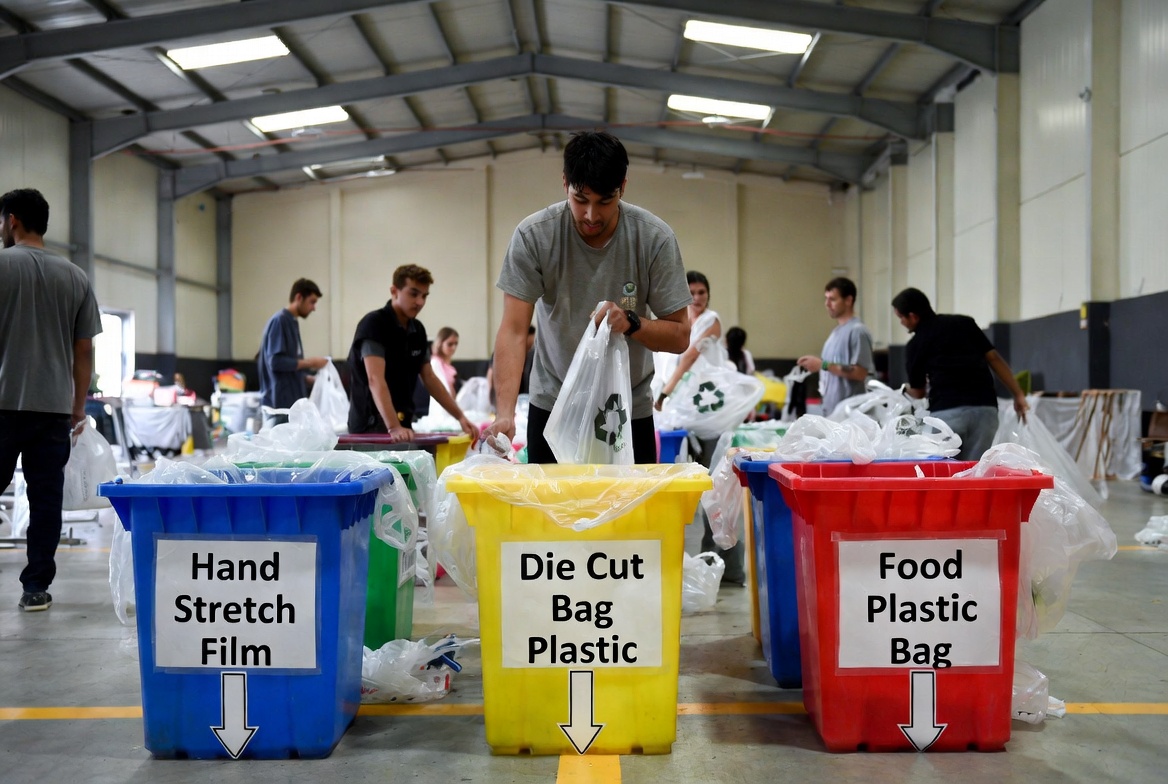
A bright, organized recycling station at a warehouse showing separate bins labeled for Hand Stretch Film, Die Cut Bag Plastic, and Food Pla…
Why a Dedicated Plastic Bag Recycling Program Matters
Standard trash services treat all plastic bags as landfill waste, missing the opportunity to reclaim valuable polymer material. A focused recycling program delivers:
- Cost savings: Lower disposal fees and potential revenue from recycled resin.
- Brand credibility: Demonstrates environmental stewardship to customers and regulators.
- Regulatory compliance: Meets increasing mandates on single‑use plastics in many jurisdictions.
- Resource efficiency: Reduces demand for virgin plastic, conserving energy and raw materials.
Key Industries That Benefit Most
Companies that handle large volumes of plastic bags—logistics firms, food processors, and retail chains—see the greatest impact. For example, a distribution center using Handle Wrap Tool Plastic Bag for pallet stabilization can capture up to 30 % of its bag waste for recycling, turning a cost center into a circular‑economy asset.
Step‑By‑Step Blueprint for Building Your Program
1. Conduct a Baseline Audit
Start by quantifying the types and volumes of bags you generate each month. Use a simple log:
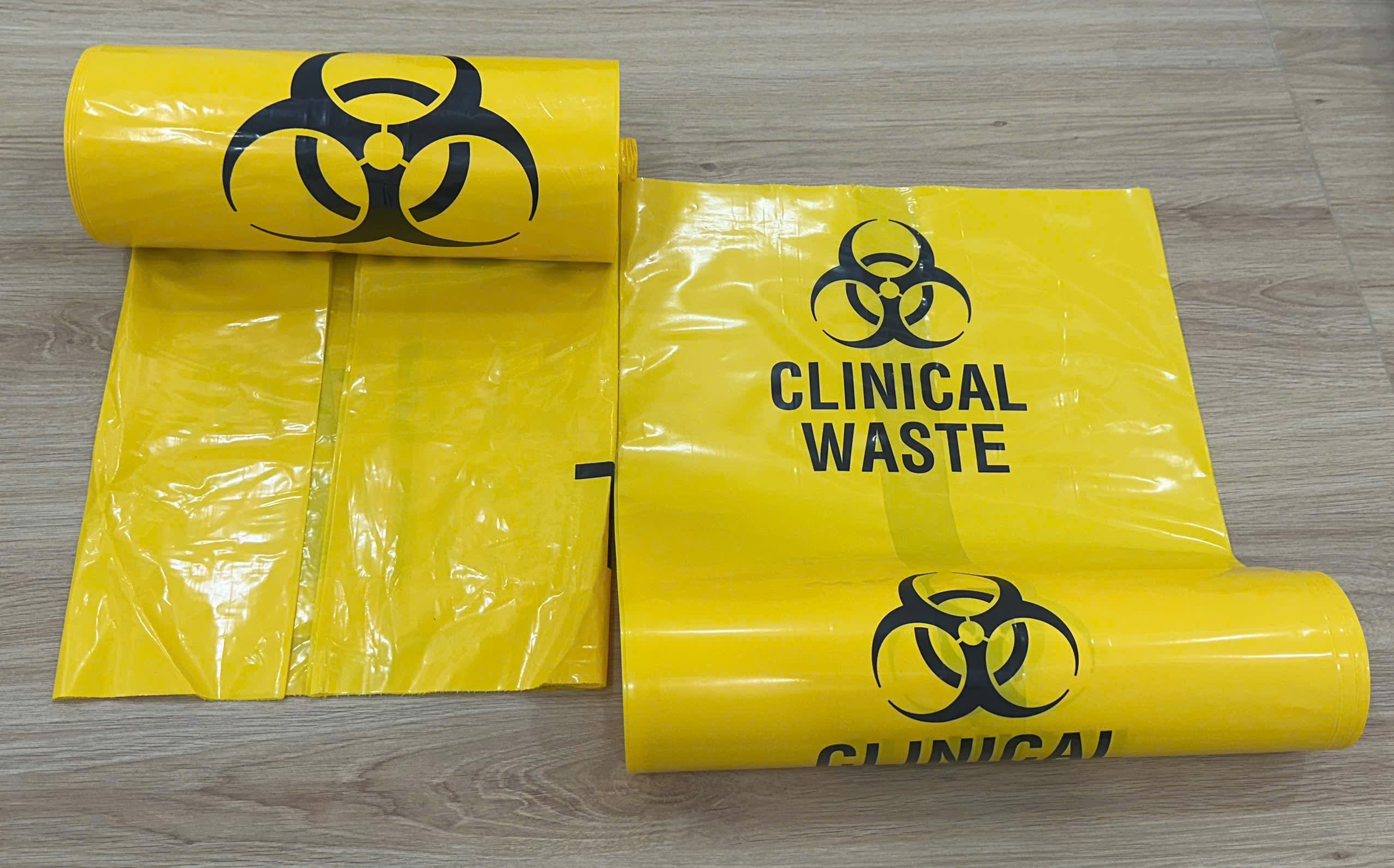
- Identify bag categories: Hand Stretch Film, Die Cut Bag Plastic, Refuse Sack Plastic Bag, Hazardous Plastic Garbage, etc.
- Measure weight or count per category.
- Note current disposal method and cost per kilogram.
Tip: Involve facility managers early to ensure accurate data collection.
2. Choose the Right Collection System
Effective collection hinges on clear segregation. Consider these options:
- Dedicated bins: Color‑coded containers for each bag type placed at exit points.
- Mobile collection carts: Useful for large warehouses where bags are scattered.
- Compactors: Reduce volume before transport, ideal for high‑density sites.
When selecting containers, prioritize durability and easy cleaning to prevent contamination.
3. Partner with a Certified Recycler
Not all recyclers accept every bag type. Look for partners that:
- Process plastic bag grades compatible with your material (e.g., LDPE, HDPE).
- Provide transparent tracking reports.
- Offer take‑back incentives or revenue sharing.
VNPLAST’s own recycling network can handle Garbage Plastic Bag and Block Header Plastic Bag streams, ensuring a closed‑loop solution.
4. Implement Training and Signage
Employee participation is critical. Deploy:
- Clear signage with icons for each bag type.
- Quick‑reference guides posted near collection points.
- Short training videos demonstrating proper bag folding and placement.
5. Monitor, Report, and Optimize
Use a simple dashboard to track:
- Total bags collected (weight and count).
- Cost savings versus baseline disposal fees.
- Recycled material percentages.
Quarterly reviews help identify bottlenecks—e.g., a spike in contaminated Hazardous Plastic Garbage—that can be addressed through refresher training.
Decision Checklist: Is Your Business Ready for a Plastic Bag Recycling Program?
- Volume Threshold: Do you generate >5 000 kg of plastic bags per year?
- Space Availability: Can you allocate dedicated collection zones?
- Partner Access: Is there a certified recycler within 100 km?
- Leadership Buy‑In: Do senior managers support sustainability initiatives?
- Budget Allocation: Have you earmarked funds for bins, training, and reporting tools?
If you answered “yes” to most items, you are well positioned to launch a program.
Cost‑Benefit Comparison: In‑House Processing vs. Outsourced Recycling
| Factor | In‑House Processing | Outsourced Recycling |
|---|---|---|
| Initial Capital | High (compactors, balers) | Low (service contract) |
| Operational Expertise | Requires training staff | Handled by recycler |
| Scalability | Limited by equipment | Flexible, based on volume |
| Revenue Potential | Higher if you sell resin | Typically lower, fixed fees |
| Regulatory Risk | Higher (must meet standards) | Lower (recycler certified) |
Most mid‑size companies find outsourced recycling the most cost‑effective route, especially when leveraging VNPLAST’s network for preferential rates.
Real‑World Use Case: VNPLAST’s Plastic Bag Recycling Program at a Food Processing Plant
A regional food processor handled 12 000 kg of Food Plastic Bag waste annually. By installing three 200‑liter color‑coded bins and partnering with VNPLAST’s recycling service, the plant achieved:
- 45 % reduction in landfill disposal fees.
- Generation of 5 000 kg of recycled LDPE sold back to VNPLAST for new bag production.
- Improved ESG scores, leading to new contracts with eco‑conscious retailers.
This case illustrates how a focused program transforms waste into a revenue stream while supporting brand sustainability goals.
Common Pitfalls and How to Avoid Them
- Contamination: Mixing non‑recyclable waste (e.g., oily packaging) reduces material quality. Enforce strict segregation rules.
- Inconsistent Collection: Irregular pickups lead to bag overflow. Set a fixed schedule with your recycler.
- Lack of Metrics: Without data you can’t prove ROI. Use simple weight scales and log sheets.
- Employee Apathy: Incentivize participation with recognition programs or small rewards.
FAQ – Plastic Bag Recycling Program
What types of plastic bags can be recycled in a typical program?
Most low‑density polyethylene (LDPE) and high‑density polyethylene (HDPE) bags are recyclable, including Hand Stretch Film, Die Cut Bag Plastic, Food Plastic Bag, and Block Header Plastic Bag. Bags contaminated with food residue, hazardous chemicals, or mixed polymers should be separated.
How much does it cost to start a plastic bag recycling program?
Initial costs range from $1,500 to $5,000 for bins, signage, and training. Ongoing expenses are usually a per‑kilogram fee charged by the recycler, often offset by reduced landfill fees and potential revenue from sold recycled resin.
Can a small business with limited space still implement a recycling program?
Yes. Compact, stackable bins and a partnership with a local recycler that offers pick‑up services enable even boutique shops to collect and recycle plastic bags efficiently.
What are the environmental benefits of recycling plastic bags?
Recycling reduces greenhouse‑gas emissions by up to 70 % compared with virgin plastic production, conserves petroleum resources, and lessens landfill volume, thereby decreasing leachate and methane generation.
Conclusion: Turn Plastic Bag Waste into a Competitive Advantage
Implementing a well‑structured plastic bag recycling program is no longer optional for forward‑thinking companies. By auditing waste streams, selecting appropriate collection tools, partnering with a certified recycler like VNPLAST, and continuously monitoring performance, you can lower costs, boost brand reputation, and contribute to a circular economy. Start with the checklist above, pilot the system in one facility, and scale based on measurable results.