When you search for machine stretch film, you’re looking for a high‑performance solution that securely wraps pallets, reduces labor costs, and protects goods during transit. Machine stretch film is a specialized polyethylene film designed to be fed through automated stretch‑wrapping machines. It offers consistent tension, superior load stability, and faster wrap cycles compared to manual hand stretch film. This guide explains how machine stretch film works, key selection criteria, real‑world applications, and how VNPLAST’s product range integrates with your packaging line.
How Machine Stretch Film Works
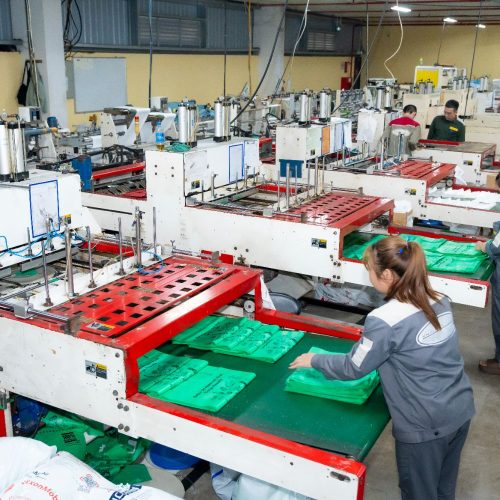
Machine stretch film is unwound from a large roll, passed over a pre‑stretch roller, and then stretched further by a tensioning system just before it contacts the load. The film’s elasticity allows it to conform tightly around irregular shapes, creating a uniform, high‑strength seal.
Core Components of a Stretch‑Wrapping System
- Film Roll Holder: Holds the bulk roll (often 2,000 m to 5,000 m) and feeds film to the machine.
- Pre‑Stretch Roller: Applies initial stretch (typically 100‑200%) to reduce film consumption.
- Drive Rollers & Tension System: Provide the final stretch (up to 300% or more) just before the film contacts the pallet.
- Wrap Head: Guides the film around the load in a controlled pattern (e.g., spiral, vertical).
- Control Unit: Sets wrap parameters such as film tension, number of turns, and wrap speed.
Choosing the Right Machine Stretch Film
Selecting the proper film can be the difference between a secure load and costly product damage. Below are the decisive factors you should evaluate.
Key Decision Factors
- Film Thickness (µm): Thicker films (15‑30 µm) provide higher puncture resistance; thinner films (10‑12 µm) reduce material cost for lightweight items.
- Pre‑Stretch Ratio: Higher pre‑stretch reduces film usage but requires a more robust machine.
- Stretch Ratio (Final Stretch): Determines load stability; typical values range from 200% to 400%.
- Cling vs. Non‑Cling: Cling film sticks to the load, ideal for irregular shapes; non‑cling slides off easier for smooth surfaces.
- UV Protection & Color: Clear film is standard; black or UV‑stabilized film protects against sunlight for outdoor storage.
- Recyclability: VNPLAST offers recyclable grades that meet circular‑economy standards.
Comparison: Machine Stretch Film vs. Hand Stretch Film
| Feature | Machine Stretch Film | Hand Stretch Film |
|---|---|---|
| Consistency | Highly consistent tension and coverage | Variable tension, dependent on operator skill |
| Speed | 30‑60 pallets per minute | 5‑10 pallets per minute |
| Film Consumption | 30‑40% lower due to pre‑stretch | Higher waste |
| Labor Cost | Reduced – one operator can oversee multiple machines | Higher – manual handling per pallet |
| Load Stability | Superior – uniform force distribution | Good but less uniform |
Real‑World Use Cases
Machine stretch film is employed across diverse industries. Below are three common scenarios where VNPLAST’s film solutions deliver measurable ROI.
1. Food & Beverage Palletization
Cold‑chain pallets require a film that maintains integrity at low temperatures. VNPLAST’s low‑temperature tolerant machine stretch film (down to –20 °C) prevents tearing during freezer storage while providing a hygienic barrier for Food Plastic Bag applications.
2. Hazardous Waste Containment
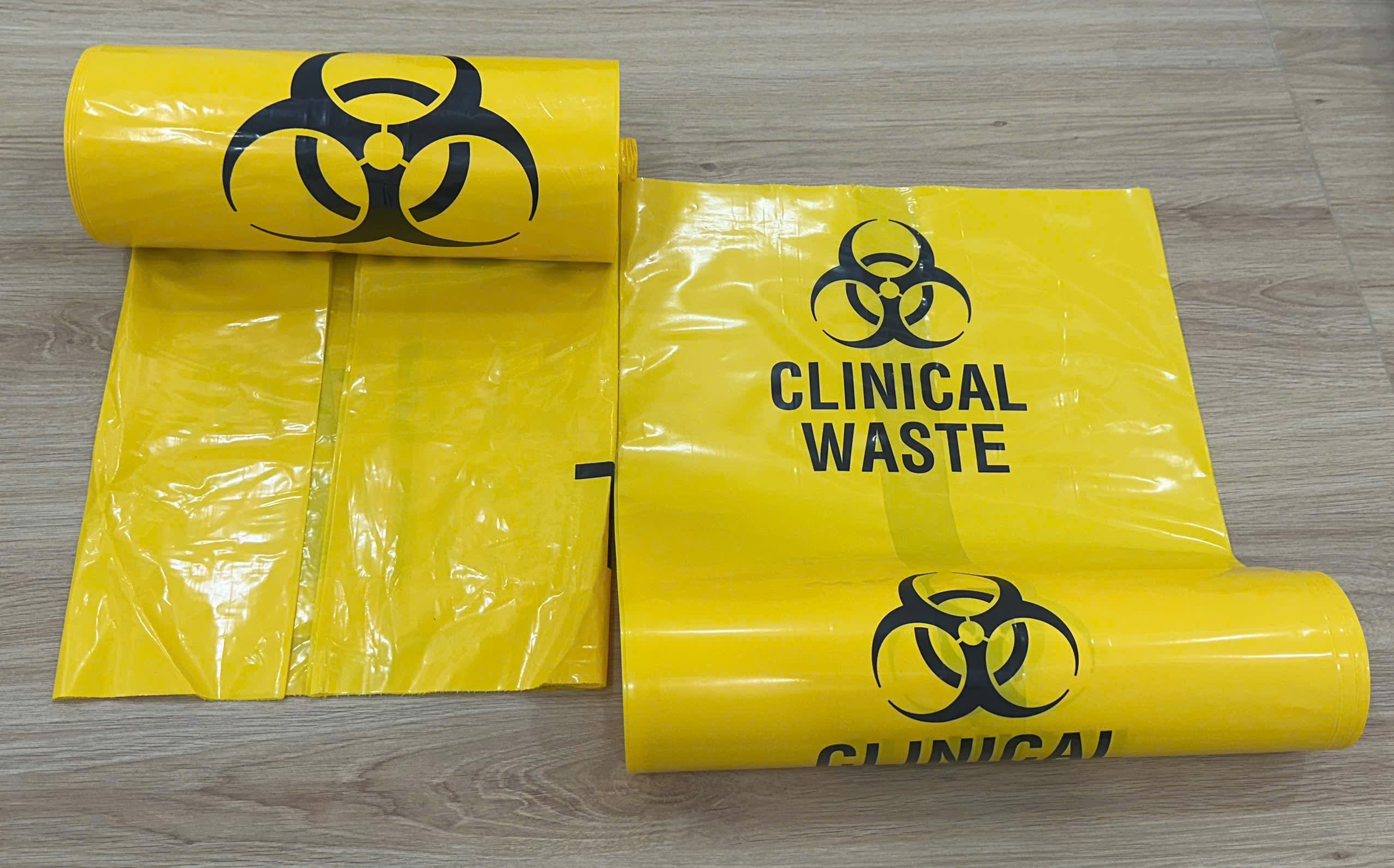
For hazardous plastic garbage, a film with high puncture resistance and chemical compatibility is essential. Our heavy‑duty 25 µm film meets OSHA regulations and works seamlessly with stretch‑wrapping machines that handle Hazardous Plastic Garbage containers.
3. E‑Commerce Fulfillment Centers
High‑volume fulfillment demands rapid wrap cycles. Using a 12 µm high‑clarity film with a 300% stretch ratio, VNPLAST customers have reduced wrap time by 40% and cut film waste by 25% on average.
Installation and Maintenance Checklist
Proper setup ensures maximum performance and longevity of your stretch‑wrapping system.
Installation Checklist
- Verify machine specifications match film thickness and stretch ratio.
- Install film roll on a level, vibration‑free platform.
- Align pre‑stretch and drive rollers according to manufacturer tolerances.
- Calibrate tension settings using a film tension gauge.
- Run a test wrap on an empty pallet to confirm wrap pattern and film consumption.
Maintenance Routine (Weekly)
- Inspect rollers for wear; replace if surface is glazed.
- Clean film path to remove dust and debris that can cause film tears.
- Check tension sensor calibration; adjust if deviation exceeds ±5%.
- Lubricate moving parts with manufacturer‑approved grease.
- Record film usage and compare against baseline to detect abnormal consumption.
Cost‑Benefit Analysis
Investing in a machine stretch film system involves upfront equipment cost but delivers long‑term savings. Below is a simplified cost model for a midsize distribution center handling 10,000 pallets per month.
- Equipment Cost: $25,000 (machine) + $5,000 (installation)
- Film Savings: 35% reduction vs. hand film → $12,000 annual saving
- Labor Reduction: 6 operators reduced to 2 → $45,000 annual saving
- ROI: Approx. 18 months
Frequently Asked Questions
What thickness of machine stretch film should I choose for light‑weight cardboard boxes?
For lightweight loads, a 10‑12 µm film with a 200% stretch ratio provides adequate protection while minimizing material cost.
Can I use the same film for both pallet wrapping and bag sealing (e.g., Hand Stretch Film)?
While the polymer base may be similar, machine stretch film is engineered for high‑tension feeding. Hand stretch film typically has lower stretch ratios and different cling properties, making it unsuitable for automated machines.
How does temperature affect machine stretch film performance?
Cold temperatures increase film stiffness, reducing stretchability. VNPLAST offers low‑temperature grades that maintain elasticity down to –20 °C, ideal for frozen food pallets.
Is recyclable machine stretch film available?
Yes. VNPLAST’s recyclable grades meet ISO 14021 standards and can be processed in most municipal recycling streams, supporting your sustainability goals.
What safety precautions are required when operating a stretch‑wrapping machine?
Operators should wear safety glasses, keep hands away from moving rollers, and ensure emergency stop buttons are functional. Regular safety audits are recommended.
Conclusion
Machine stretch film is a cornerstone of modern palletization, delivering consistent load stability, reduced labor, and lower material waste. By evaluating film thickness, stretch ratios, and specific application requirements, you can select a VNPLAST solution that aligns with your operational goals. Proper installation, routine maintenance, and adherence to safety standards will maximize ROI and keep your supply chain moving efficiently.