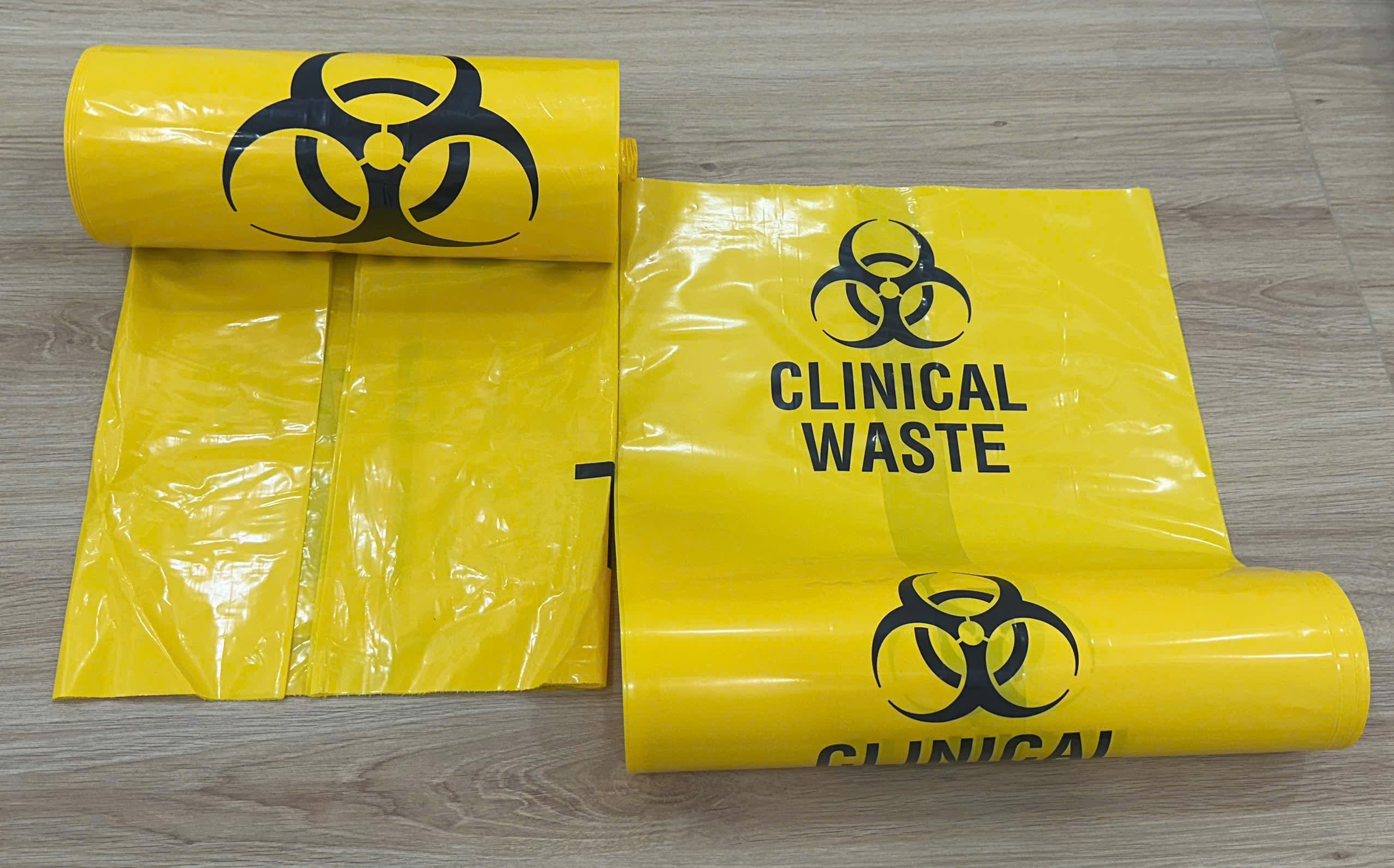
When you search for block header plastic bag design, you expect a clear answer on how to create a strong, functional, and brand‑ready bag that meets safety, sustainability, and cost requirements. This guide explains the essential elements of block header plastic bag design, from material selection and structural reinforcement to printing options and regulatory compliance. By the end of the first two paragraphs, you’ll understand the core principles that make a block header bag perform reliably in industrial, retail, and waste‑management settings.
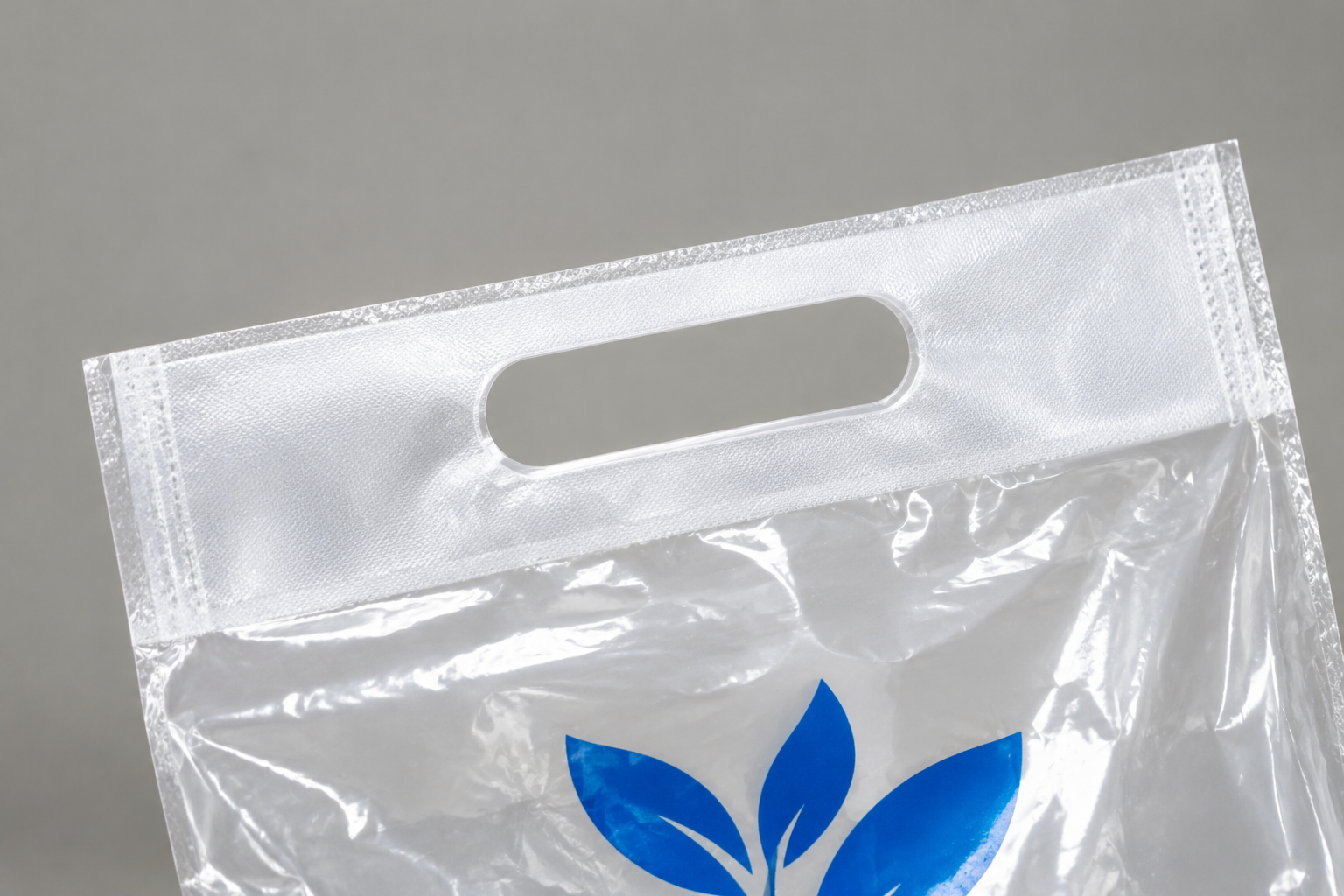
close‑up view of a block header plastic bag showing the reinforced block header, clear film material, printed brand logo, and ergonomic han…
What Is a Block Header Plastic Bag?
A block header plastic bag features a reinforced rectangular area at the top, often called a “block header,” that provides a sturdy grip for heavy loads. Unlike simple zip‑lock or drawstring bags, the block header distributes tension across a larger surface, reducing tearing and improving user comfort. These bags are widely used for:
- Industrial waste collection (e.g., hazardous plastic garbage bags)
- Retail bulk packaging (e.g., food plastic bags, refuse sack plastic bag)
- Construction debris handling (e.g., Hand Stretch Film and Die Cut Bag Plastic)
- Recycling programs (e.g., recycle plastic bag applications)
Key Design Elements for Optimal Performance
Material Selection
The base film determines strength, puncture resistance, and environmental impact. Common choices include:
- Low‑Density Polyethylene (LDPE) – flexible, good for lightweight loads.
- High‑Density Polyethylene (HDPE) – higher tensile strength, ideal for heavy waste.
- Linear Low‑Density Polyethylene (LLDPE) – excellent tear resistance, suited for hazardous waste.
- Recycled Polyethylene – meets sustainability goals while maintaining adequate strength.
Header Reinforcement Techniques
To achieve a reliable block header, manufacturers typically employ one or more of the following methods:
- Heat‑Sealed Block – a rectangular heat seal that fuses layers of film.
- Woven or Non‑Woven Tape – applied over the seal for extra grip.
- Adhesive Lamination – a thin adhesive layer that bonds a high‑strength strip to the header.
Printing and Branding
Effective printing enhances brand visibility and compliance labeling. Choose between:
- Flexographic Printing – fast, cost‑effective for large runs.
- Rotogravure – high‑resolution images for premium products.
- Digital UV Printing – short runs and variable data (e.g., batch numbers).
Design Checklist: Ensure Every Critical Factor Is Covered
- Load Capacity – calculate expected weight and select appropriate film thickness (typically 30‑100 µm).
- Header Size – standard block headers range from 120 mm × 50 mm to 250 mm × 80 mm; larger headers improve ergonomics for heavy loads.
- Seal Integrity – verify heat‑seal temperature and dwell time to prevent leaks.
- Regulatory Marks – include recycling symbols, hazardous material warnings, and country‑specific compliance codes.
- Environmental Impact – prioritize recycled content and consider biodegradable additives for food‑grade bags.
- Printing Alignment – ensure graphics do not interfere with the block header’s grip area.
Comparing Block Header Designs: Standard vs. Premium
| Feature | Standard Block Header | Premium Block Header |
|---|---|---|
| Material Thickness | 30‑60 µm LDPE | 80‑120 µm LLDPE + recycled blend |
| Header Reinforcement | Single heat‑seal block | Heat‑seal + woven tape + adhesive lamination |
| Print Quality | Flexographic, single‑color | Rotogravure, full‑color with UV coating |
| Cost per 1,000 bags | $45‑$55 | $85‑$110 |
| Typical Use Cases | General waste, light‑weight retail | Hazardous waste, high‑volume food handling |
Step‑by‑Step Process for Designing a Block Header Plastic Bag
1. Define Application Requirements
Identify load weight, environmental exposure, and any regulatory constraints. For example, a hazardous plastic garbage bag must meet ISO 9001 quality standards and include specific warning symbols.
2. Choose the Film Grade
Match the film’s tensile strength and puncture resistance to the calculated load. Use VNPLAST’s material data sheets to compare LDPE, HDPE, and LLDPE options.
3. Design the Header Geometry
Use CAD software to set header dimensions, ensuring the grip area aligns with ergonomic guidelines (minimum 50 mm height for comfortable hand placement).
4. Select Reinforcement Method
Decide between a simple heat seal or a multi‑layer reinforcement based on load capacity and budget.
5. Create Print Layout
Place branding and compliance text away from the header’s functional zone. Verify color profiles for the chosen printing method.
6. Prototype and Test
Produce a small batch, then conduct tensile, puncture, and seal integrity tests. Adjust film thickness or header size as needed.
7. Scale Production
Finalize the production line settings, including extrusion temperature, seal bar pressure, and printing speed. Implement quality control checkpoints at each stage.
Real‑World Use Cases
Companies across Southeast Asia rely on block header plastic bags for diverse operations:
- Construction sites use 80 µm HDPE block header bags to collect concrete debris, reducing worker injuries caused by torn bags.
- Food processing plants employ LLDPE block header bags with UV‑cured logos to keep packaged produce fresh while showcasing brand identity.
- Municipal waste services choose recycled‑content block header bags for residential refuse, meeting city sustainability targets.
Pros and Cons of Block Header Plastic Bags
- Pros
- High load‑bearing capacity reduces bag failure.
- Ergonomic grip improves handling safety.
- Customizable printing enhances brand visibility.
- Recyclable options support sustainability goals.
- Cons
- Higher material cost compared to simple zip‑lock bags.
- Complex manufacturing may require specialized equipment.
- Thicker films can increase shipping weight.
Frequently Asked Questions
What thickness is ideal for a block header bag used in hazardous waste collection?
For hazardous waste, a film thickness of 80‑100 µm LLDPE with a reinforced woven tape header provides the necessary puncture resistance and tensile strength.
Can block header bags be made from 100% recycled plastic?
Yes. VNPLAST offers a recycled polyethylene blend that meets ISO 14021 standards, allowing you to produce fully recyclable block header bags without sacrificing performance.
How does the block header affect the bag’s cost per unit?
The additional reinforcement and larger seal area typically add 10‑20% to material costs, but the reduction in bag failures and worker injuries often offsets this expense.
Are there specific regulations for food‑grade block header bags?
Food‑grade bags must comply with FDA 21 CFR Part 177.2600 for food contact substances and include clear labeling about material safety.
What printing method is best for short‑run custom orders?
Digital UV printing offers high resolution and quick turnaround for runs under 5,000 units, making it ideal for promotional or limited‑edition batches.
Conclusion
Designing a successful block header plastic bag hinges on selecting the right material, reinforcing the header correctly, and aligning branding with functional constraints. By following the checklist, comparing standard and premium options, and testing prototypes, manufacturers can deliver bags that meet the rigorous demands of waste management, food packaging, and industrial applications. VNPLAST’s expertise in polymer technology and printing ensures you have a reliable partner for every stage of the block header plastic bag design process.