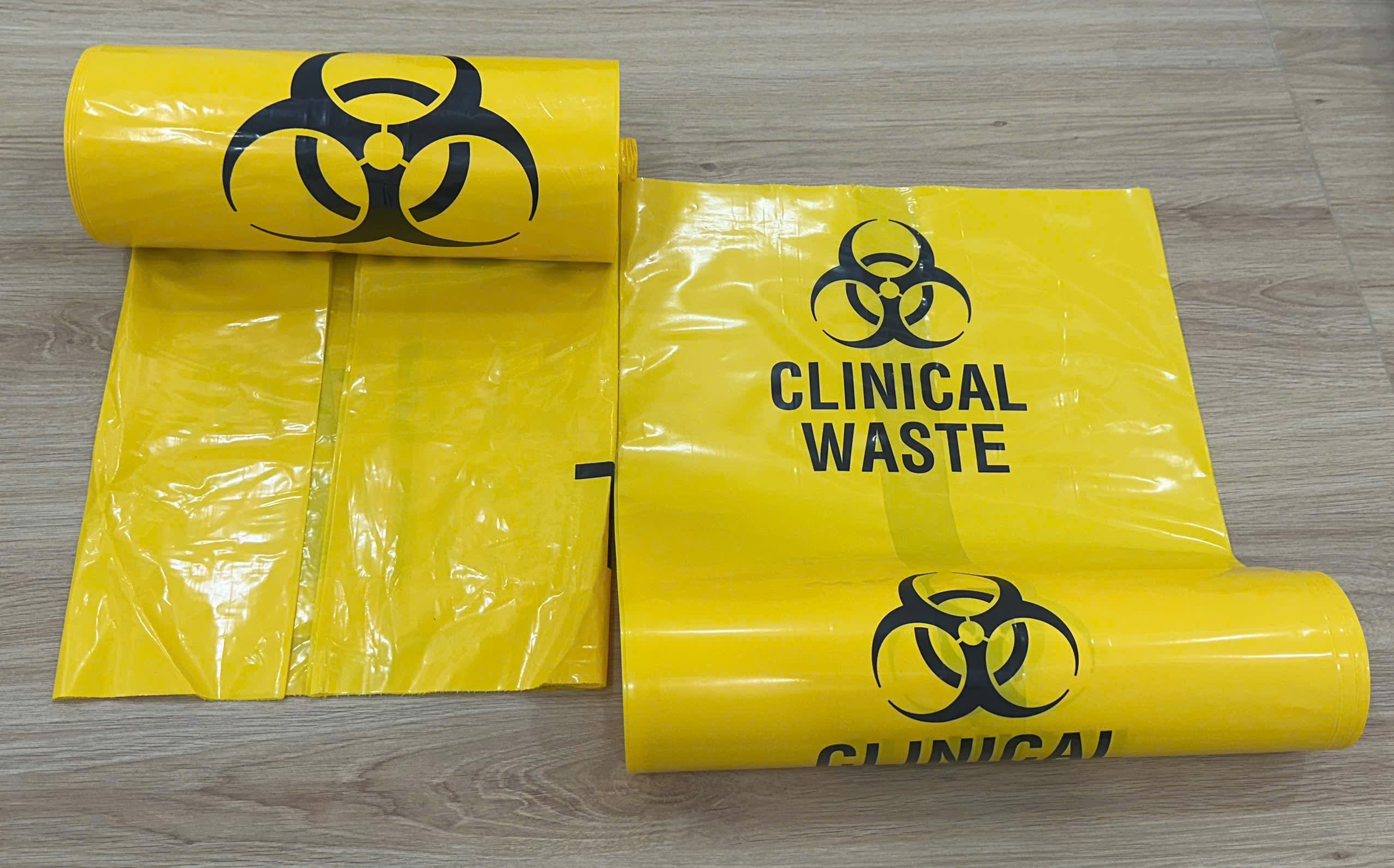
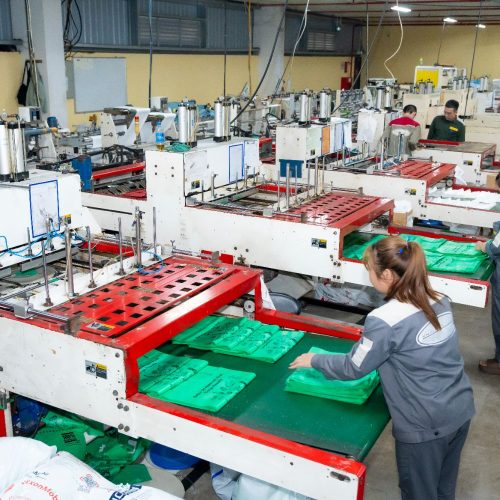
When you search for plastic bag header design, you want a clear answer on how to create a strong, functional, and cost‑effective header that meets industry standards. This guide explains the essential elements, material choices, and practical steps to design headers for a range of bags— from hand stretch film to hazardous plastic garbage bags. Within the first few paragraphs you’ll learn the core principles, and the rest of the article provides detailed checklists, comparisons, and real‑world examples to help you make confident design decisions.
Understanding Plastic Bag Header Basics
A plastic bag header is the reinforced top portion of a bag that provides strength for opening, carrying, and sealing. It is critical for applications such as refuse sacks, food bags, and hazardous waste containers. The header typically includes:
- Reinforced stitching or heat‑seal seams to prevent tearing.
- Gusset or fold that expands the opening for easy loading.
- Printing area for branding, handling instructions, or regulatory symbols.
- Handle attachment (if required) such as a molded handle or a wrap‑around strap.
Why Header Design Matters for Different Bag Types
Each bag category places unique demands on the header:
- Hand Stretch Film: Needs a thin, flexible header that can be pulled without tearing.
- Die Cut Bag Plastic: Requires precise cutouts for a clean, uniform header edge.
- Recycle Plastic Bag: Often uses recycled material, demanding a design that compensates for lower tensile strength.
- Garbage Plastic Bag: Must resist punctures and support heavy loads.
- Hazardous Plastic Garbage: Requires chemical‑resistant seals and possibly secondary containment features.
Key Decision Factors for Effective Header Design
When designing a header, evaluate the following criteria to balance performance, cost, and compliance.
- Material Thickness (Gauge) – Thicker films provide higher tensile strength but increase material cost.
- Seal Type – Heat seal, ultrasonic, or adhesive seal each affect durability and production speed.
- Reinforcement Method – Double stitching, bar‑tacking, or reinforced strip inserts improve load capacity.
- Regulatory Requirements – Food‑grade bags must meet FDA or EU standards; hazardous waste bags must comply with OSHA or local hazardous material regulations.
- Printing Compatibility – Ensure ink adhesion and color fidelity on the chosen film.
Checklist: Designing a High‑Performance Header
- Determine the maximum load weight and select appropriate film gauge.
- Choose a seal method that aligns with production equipment and bag type.
- Specify reinforcement (e.g., double stitching) for heavy‑duty applications.
- Validate compliance with relevant standards (FDA, ISO, OSHA).
- Plan for printable area dimensions and select compatible inks.
- Run a prototype test for tear resistance, seal integrity, and handle comfort.
Comparing Common Header Styles
Below is a concise comparison of the most widely used header styles in the industry.
- Block Header – Flat, reinforced top; ideal for bulk garbage bags and refuse sacks. Provides strong seal but limited flexibility.
- Fold‑over Header – Overlapping layers create a double‑wall effect; suited for hand stretch film and food bags where a smooth opening is required.
- Roll‑top Header – Rolled seam that offers excellent stretch; often used for hazardous waste bags needing a tight, leak‑proof closure.
- Handle‑Integrated Header – Incorporates a molded or wrapped handle; essential for bags that must be carried manually, such as grocery or retail bags.
Pros and Cons Matrix
- Block Header
- Pros: Highest tensile strength, simple sealing.
- Cons: Less flexible, higher material usage.
- Fold‑over Header
- Pros: Smooth opening, good for printing.
- Cons: Slightly lower tear resistance.
- Roll‑top Header
- Pros: Excellent leak protection, flexible.
- Cons: Requires precise heat‑seal control.
- Handle‑Integrated Header
- Pros: Convenient for manual handling.
- Cons: Increases production complexity and cost.
Step‑by‑Step Process for Creating a Plastic Bag Header
- Material Selection – Choose film type (LDPE, HDPE, LLDPE) based on bag application.
- Design Drafting – Use CAD software to outline header dimensions, gusset depth, and handle placement.
- Prototype Production – Run a short batch on a pilot line, applying chosen seal method.
- Testing – Conduct tensile, puncture, and seal strength tests according to ASTM D882 and D1000.
- Iterate – Adjust thickness, reinforcement, or seal temperature based on test results.
- Full‑Scale Manufacturing – Implement final settings on production equipment, monitor quality control metrics.
Real‑World Use Cases
Below are three practical scenarios where the right header design made a measurable difference.
- Industrial Waste Management: VNPLAST’s block header design for 100‑liter garbage plastic bags reduced bag rupture incidents by 27% after switching to a double‑stitched reinforcement.
- Food Service Packaging: A fold‑over header on 30‑liter food plastic bags improved seal integrity, extending shelf life of perishable items by up to 12 hours.
- Hazardous Material Containment: Roll‑top headers on hazardous plastic garbage bags met EPA leak‑test standards, allowing safe transport of chemical waste.
Cost Optimization Tips
Balancing performance with budget is essential. Consider these strategies:
- Use recycled film for non‑food bags to lower material cost while maintaining strength through added reinforcement.
- Standardize header dimensions across product lines to reduce tooling changes.
- Implement inline quality monitoring to catch seal defects early, avoiding waste.
- Negotiate bulk pricing for heat‑seal films and inks with suppliers.
Frequently Asked Questions
What is the ideal film gauge for a heavy‑duty garbage bag header?
For 100‑liter garbage bags, a 30‑40 µm LDPE film combined with a double‑stitched block header provides the best balance of strength and cost.
Can I use the same header design for food and hazardous waste bags?
No. Food bags require FDA‑approved inks and a smooth seal, while hazardous waste bags need chemical‑resistant seals and often a roll‑top design for leak protection.
How does a roll‑top header prevent leaks?
The rolled seam creates a continuous, overlapping seal that is less prone to line‑breaks, especially when heat‑sealed at precise temperatures (typically 150‑170 °C).
Is it necessary to add a handle to a refuse sack?
If the bag will be manually lifted or transported, a molded handle or a wrap‑around strap improves ergonomics and reduces the risk of tearing at the header.
What testing standards should I follow for header durability?
ASTM D882 (tensile properties) and ASTM D1000 (seal strength) are industry‑accepted standards for evaluating header performance.
Conclusion
Designing an effective plastic bag header requires a clear understanding of material properties, seal technology, and the specific demands of each bag type. By following the checklist, comparing header styles, and testing prototypes against recognized standards, manufacturers can produce durable, compliant, and cost‑efficient bags—from everyday refuse sacks to specialized hazardous waste containers. Implement these best practices and you’ll achieve stronger headers, fewer product failures, and higher customer satisfaction.