Plastic bag printing is the process of adding custom graphics, logos, and information to various types of plastic bags, turning a simple packaging item into a powerful branding tool. Whether you need hand stretch film for pallet protection, die‑cut bag plastic for retail, or recycle plastic bags for eco‑friendly campaigns, understanding the printing options, material choices, and cost factors will help you select the right solution quickly.
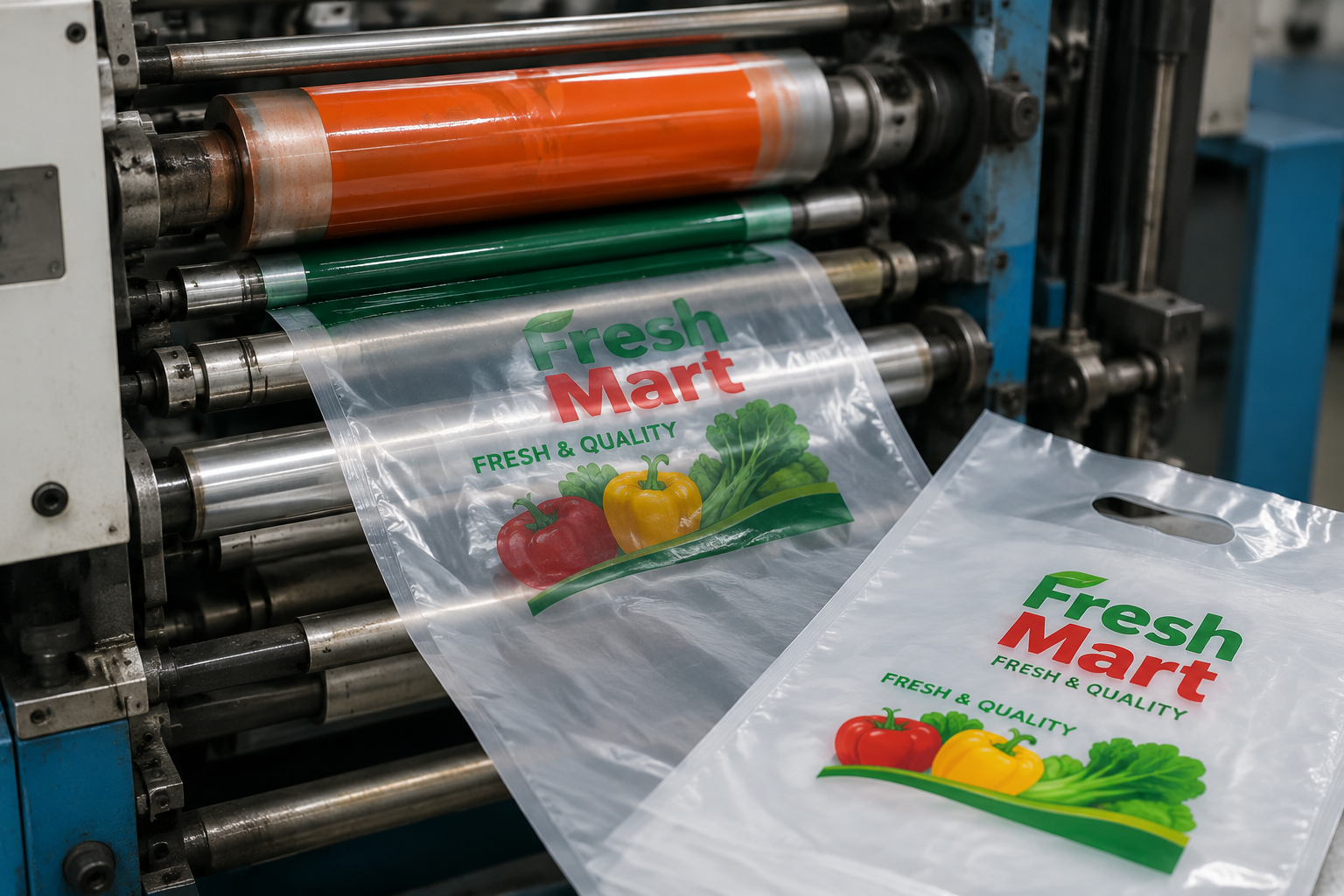
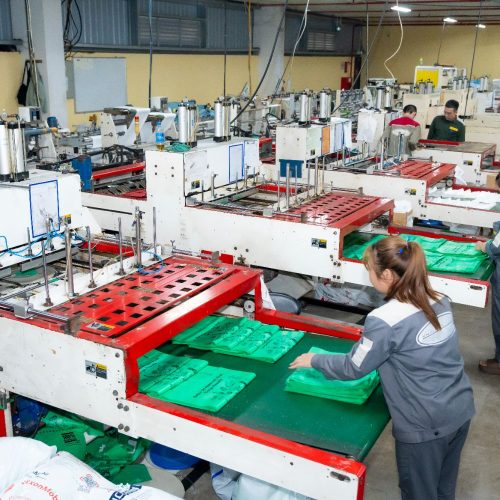
Close‑up of a high‑resolution flexographic press printing vibrant colors onto a clear polyethylene plastic bag, showing the ink rollers, th…
Why Plastic Bag Printing Matters for Your Business
- Brand visibility: Custom printed bags turn every shipment into a mobile advertisement.
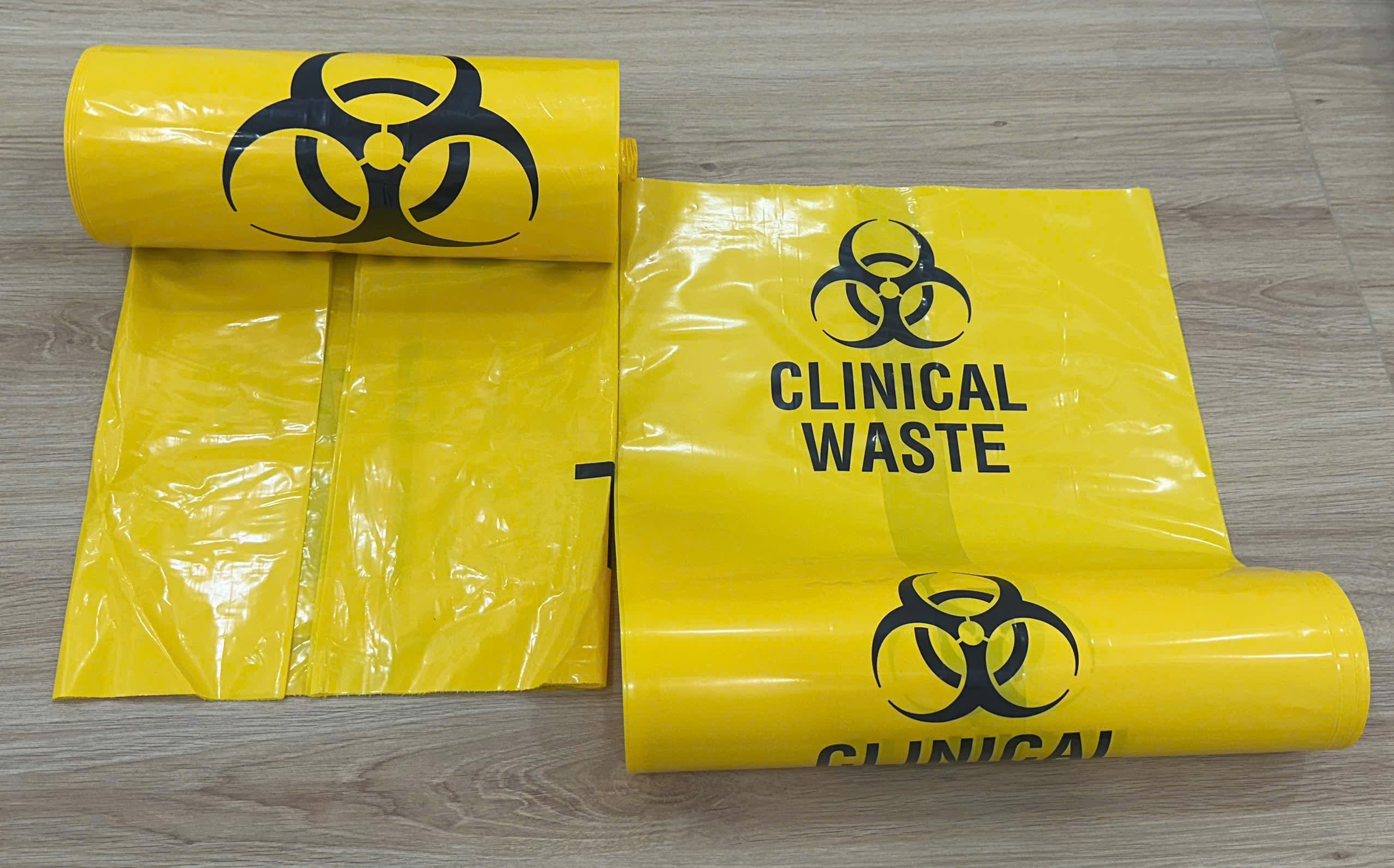
- Regulatory compliance: Printed warnings and handling instructions are essential for hazardous or garbage plastic bags.
- Product differentiation: Unique designs help your food plastic bag or refuse sack plastic bag stand out on crowded shelves.
Key Printing Technologies
Flexographic Printing
Flexography uses fast‑drying, solvent‑free inks on rotating flexible plates. It’s the industry standard for high‑volume runs of block header plastic bags and handle wrap tool plastic bags.
Rotogravure Printing
Rotogravure delivers the finest detail and color consistency, ideal for premium food plastic bags where image quality influences consumer perception.
Digital Printing
Digital presses enable short runs, variable data, and rapid prototyping. Perfect for limited‑edition designs or testing new graphics on hazardous plastic garbage containers.
Choosing the Right Plastic Material
- Low‑Density Polyethylene (LDPE): Flexible, low cost, great for grocery bags and waste sacks.
- High‑Density Polyethylene (HDPE): Stiffer, resistant to punctures—ideal for heavy‑duty garbage bags.
- Polypropylene (PP): Excellent clarity and printability, commonly used for food‑grade bags.
- Recycled Polyethylene: Eco‑friendly option that reduces carbon footprint while maintaining strength.
Step‑by‑Step Plastic Bag Printing Process
- Design preparation: Create vector artwork with CMYK color profiles.
- Material selection: Choose the appropriate polymer based on load, environment, and regulatory needs.
- Pre‑treatment: Apply corona or plasma treatment to improve ink adhesion.
- Printing: Run the bag through flexo, rotogravure, or digital press.
- Finishing: Add handles, gussets, or seal edges as required.
- Quality inspection: Verify color consistency, registration, and durability.
Cost Factors to Consider
- Order volume: Larger runs reduce per‑bag cost due to plate amortization.
- Ink type: UV‑cured inks cost more but offer superior durability for outdoor use.
- Bag size & thickness: Heavier gauges increase material cost but may be required for hazardous waste bags.
- Finishing options: Handles, gussets, and die‑cut shapes add tooling expenses.
Checklist: Selecting a Plastic Bag Printing Partner
- ✅ Proven experience with hand stretch film and die cut bag plastic.
- ✅ ISO‑9001 certification for quality management.
- ✅ Capability to handle recycled polymer inks.
- ✅ Transparent pricing model for set‑up, plates, and per‑unit costs.
- ✅ Fast turnaround for digital short runs.
- ✅ Compliance with local waste‑handling regulations for hazardous bags.
Real‑World Use Cases
Many Vietnamese brands rely on VNPLAST’s expertise to produce customized solutions:
- Food retail: Brightly printed food plastic bags with nutritional info boost shopper confidence.
- Construction sites: Heavy‑duty garbage plastic bags printed with safety warnings reduce accidents.
- Recycling programs: Color‑coded recycle plastic bags with clear recycling instructions improve sorting efficiency.
Pros and Cons of Major Printing Methods
- Flexographic
- Pros: High speed, low cost for large volumes.
- Cons: Limited color fidelity compared to rotogravure.
- Rotogravure
- Pros: Superior image quality, excellent for premium branding.
- Cons: Higher setup cost, best for long runs.
- Digital
- Pros: No plates, variable data printing, quick turn‑around.
- Cons: Higher per‑unit cost, limited to thinner films.
Frequently Asked Questions
What is the minimum order quantity for custom printed plastic bags?
Most flexographic printers start at 5,000–10,000 bags per design, while digital presses can accommodate as few as 500 units.
Can recycled plastic be used for high‑resolution printing?
Yes. Recycled polyethylene can be blended with virgin resin to achieve a smooth surface that accepts UV or water‑based inks without sacrificing print clarity.
How long does it take to receive printed bags after artwork approval?
Standard flexo runs typically ship within 7‑10 business days. Digital orders can be turned around in 3‑5 days.
Are there environmental certifications for printed plastic bags?
Look for certifications such as ISO 14001 for environmental management and the “Recycled Content” label from the Global Recycled Standard (GRS).
What safety markings are required on hazardous plastic garbage bags?
Regulations often require bold warning symbols, handling instructions, and material safety data sheet (MSDS) references printed in high‑contrast colors.
Conclusion
Investing in professional plastic bag printing transforms a basic packaging component into a strategic marketing asset. By selecting the right material, printing technology, and a reliable partner like VNPLAST, you can achieve vibrant, durable graphics that meet regulatory standards and resonate with your audience. Use the checklist above to evaluate suppliers, and remember that the true value lies in the combination of visual impact, functional performance, and environmental responsibility.