When you search for a plastic bag header block machine, you expect a clear answer about what it does, how it fits into your production line, and which model delivers the best ROI. This article explains the machine’s core functions, key selection criteria, real‑world applications, and maintenance tips so you can decide quickly and confidently. Whether you produce food‑grade bags, hazardous waste sacks, or reusable grocery bags, the right header block system can boost efficiency, improve seal quality, and reduce waste.
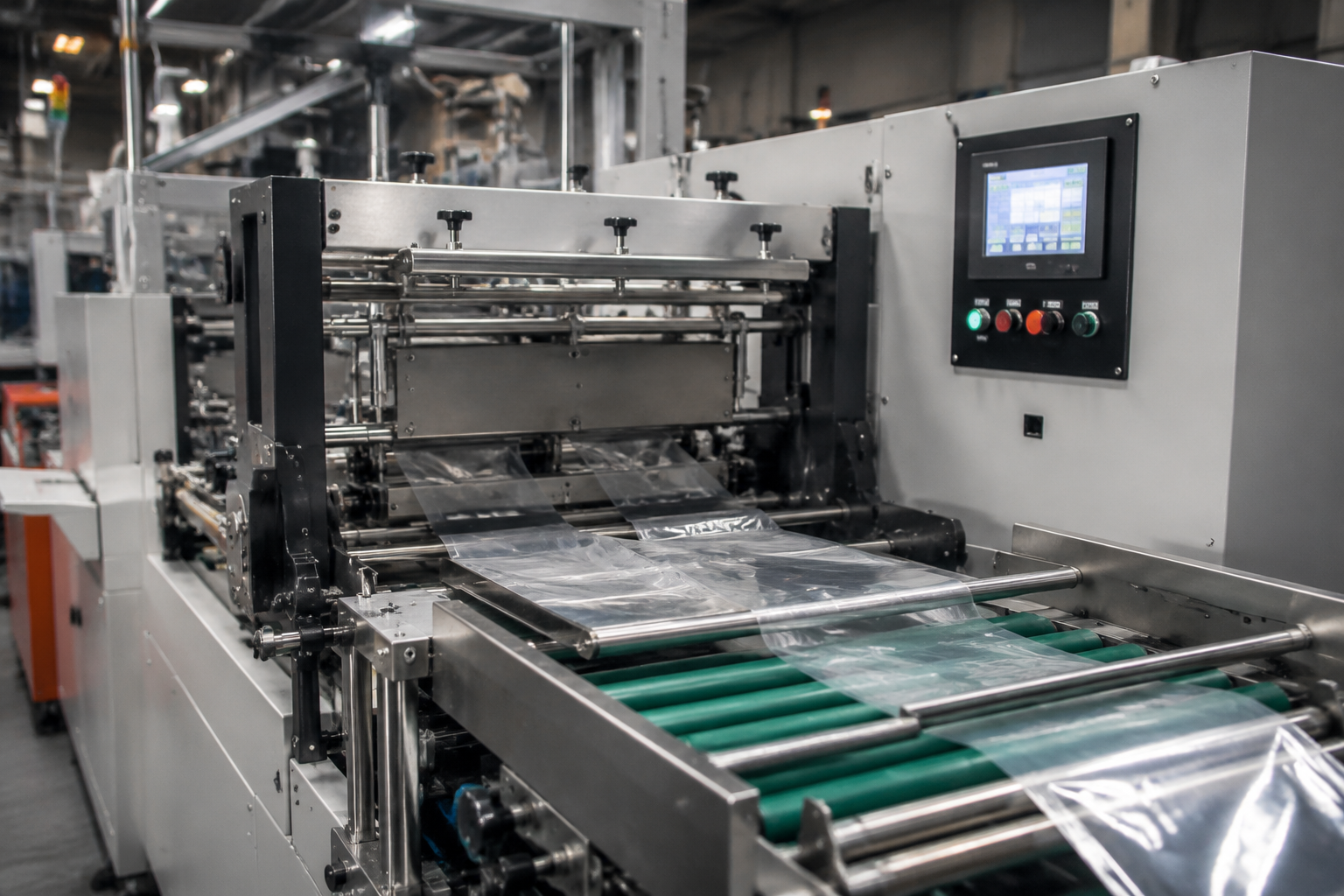
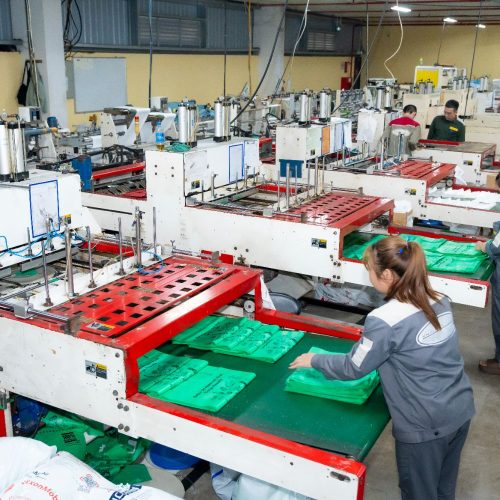
high‑resolution photo of a plastic bag header block machine on an industrial production line, showing the header block unit, conveyor rolle…
What Is a Plastic Bag Header Block Machine?
A plastic bag header block machine is a specialized piece of equipment that forms, seals, and cuts the header (the top edge) of a bag into a block shape, providing a strong, flat surface for handles, prints, or additional sealing. The block header design is popular for:
- Food plastic bags that require a sturdy opening for easy filling.
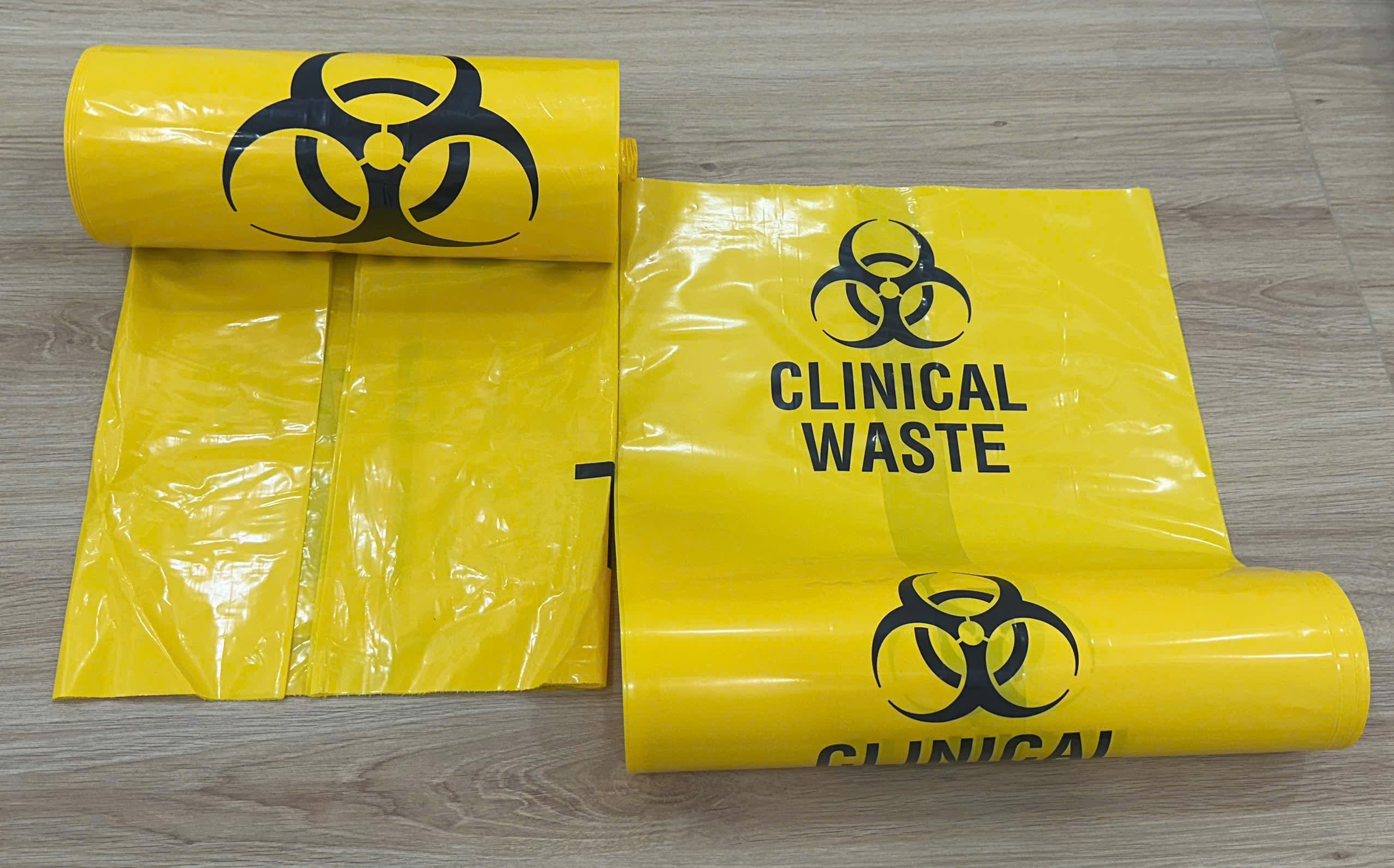
- Garbage and hazardous waste bags that need a reinforced top to hold heavy loads.
- Reusable shopping bags where a clean block header improves aesthetics and durability.
How the Machine Works
Step‑by‑Step Process
- Film Feeding: A roll of polyethylene or polypropylene film is unwound and guided into the forming zone.
- Bag Forming: Air‑blown or mechanical clamps shape the film into a tube.
- Header Block Formation: The machine folds the top portion of the tube, creating a flat block.
- Sealing: Heat or ultrasonic seals fuse the block edges, producing a leak‑proof top.
- Cutting & Discharge: A precision cutter separates each bag, which is then pushed onto the conveyor for downstream handling.
Key Components and Their Functions
- Film Unwind Unit: Controls tension and speed to match production rates.
- Forming Sleeve: Shapes the flat film into a tube; often interchangeable for different bag widths.
- Header Block Station: Includes folding rollers and sealing jaws that create the block shape.
- Control Panel: PLC‑based interface for setting dimensions, temperature, and speed.
- Safety Guarding: Light curtains and emergency stops to protect operators.
Choosing the Right Plastic Bag Header Block Machine
Investing in the correct model depends on production volume, bag dimensions, and material type. Use the checklist below to align machine specs with your needs.
Decision Checklist
- Production Capacity: Desired bags per minute (e.g., 30, 60, 120 bpm).
- Maximum Film Width: Ensure the machine accommodates your widest roll (commonly 500‑800 mm).
- Material Compatibility: Verify suitability for LDPE, HDPE, LLDPE, or biodegradable films.
- Header Size Options: Adjustable block dimensions for different handle styles.
- Automation Level: Stand‑alone vs. integrated with downstream sealing or printing stations.
- Energy Consumption: Look for efficient heating elements or ultrasonic seals.
- Service & Spare Parts Availability: Local support reduces downtime.
- Compliance: Meets ISO 9001 and relevant food‑contact regulations.
Real‑World Applications
Food Plastic Bag Production
For fresh produce or frozen foods, a block header provides a flat, printable surface for branding and nutrition labels. The machine’s precise heat‑seal ensures airtight packaging, extending shelf life.
Garbage and Hazardous Waste Bags
Heavy‑duty refuse sacks require a reinforced top to prevent tearing during transport. A header block machine can be paired with a high‑strength film (e.g., 30 µm HDPE) and optional gusset reinforcement.
Reusable Shopping Bags
Retailers favor block‑header bags for their clean look and durability. By integrating a die‑cut handle station downstream, you can produce “Handle Wrap Tool Plastic Bag” designs in a single line.
Maintenance Best Practices
- Daily Cleaning: Remove film residue from rollers and sealing jaws to avoid slippage.
- Weekly Inspection: Check heating elements for wear and calibrate temperature sensors.
- Lubrication Schedule: Apply food‑grade lubricant to moving bearings every 500 hours of operation.
- Safety Checks: Test emergency stops and light curtains before each shift.
Cost Considerations and ROI
While the upfront investment can range from $25,000 to $120,000 depending on capacity and automation, the ROI is driven by:
- Reduced Material Waste: Precise sealing minimizes film scrap.
- Higher Throughput: Faster cycle times increase output without additional labor.
- Lower Labor Costs: Automation reduces manual handling and associated errors.
- Extended Product Range: Ability to produce multiple bag types from a single line expands market reach.
Pros and Cons of Block Header vs. Traditional Heat‑Seal Tops
- Pros:
- Stronger top edge for heavy loads.
- Flat surface ideal for printing and branding.
- Improved aesthetics and consumer perception.
- Cons:
- Higher initial equipment cost.
- Requires precise temperature control.
- May need additional downstream handling for handles.
Implementation Tips for a Smooth Launch
- Start with a pilot run using a standard film width to fine‑tune settings.
- Train operators on the control panel and safety protocols before full‑scale production.
- Coordinate with your packaging design team to align header dimensions with graphics.
- Schedule a preventive maintenance contract with the supplier for the first 12 months.
Conclusion
A plastic bag header block machine is a strategic investment for manufacturers seeking stronger, more attractive bag tops across food, waste, and retail applications. By evaluating capacity, material compatibility, and automation level against the checklist provided, you can select a system that delivers consistent quality, reduces waste, and accelerates ROI. Proper maintenance and operator training further ensure long‑term reliability, positioning your production line for growth in a competitive market.
Frequently Asked Questions
- What film thickness can a header block machine handle? Most models accommodate 15‑50 µm films; high‑strength variants support up to 80 µm for heavy‑duty bags.
- Can the machine produce both block‑header and regular heat‑seal bags? Yes, many units feature interchangeable tooling that allows quick changeovers between block and flat seal configurations.
- Is ultrasonic sealing an option? Some advanced machines offer ultrasonic sealing, which reduces heat‑affected zones and speeds up the cycle.
- How much floor space is required? A typical 60 bpm unit occupies roughly 2.5 m × 1.5 m; compact models are available for limited‑space facilities.
- What safety standards apply? Look for CE marking, ISO 12100 machine safety, and compliance with local food‑contact regulations if producing food bags.