Plastic waste recycling is the systematic conversion of discarded plastic items—such as plastic bags, hand stretch film, die‑cut bag plastic, and hazardous garbage plastic—into reusable raw materials. By collecting, sorting, cleaning, and re‑processing these products, businesses and municipalities can dramatically lower landfill dependence, cut greenhouse‑gas emissions, and recover valuable resources for new packaging or industrial uses. VNPLAST’s expertise in producing and recycling a wide range of plastic bags makes this process both economically viable and environmentally responsible.
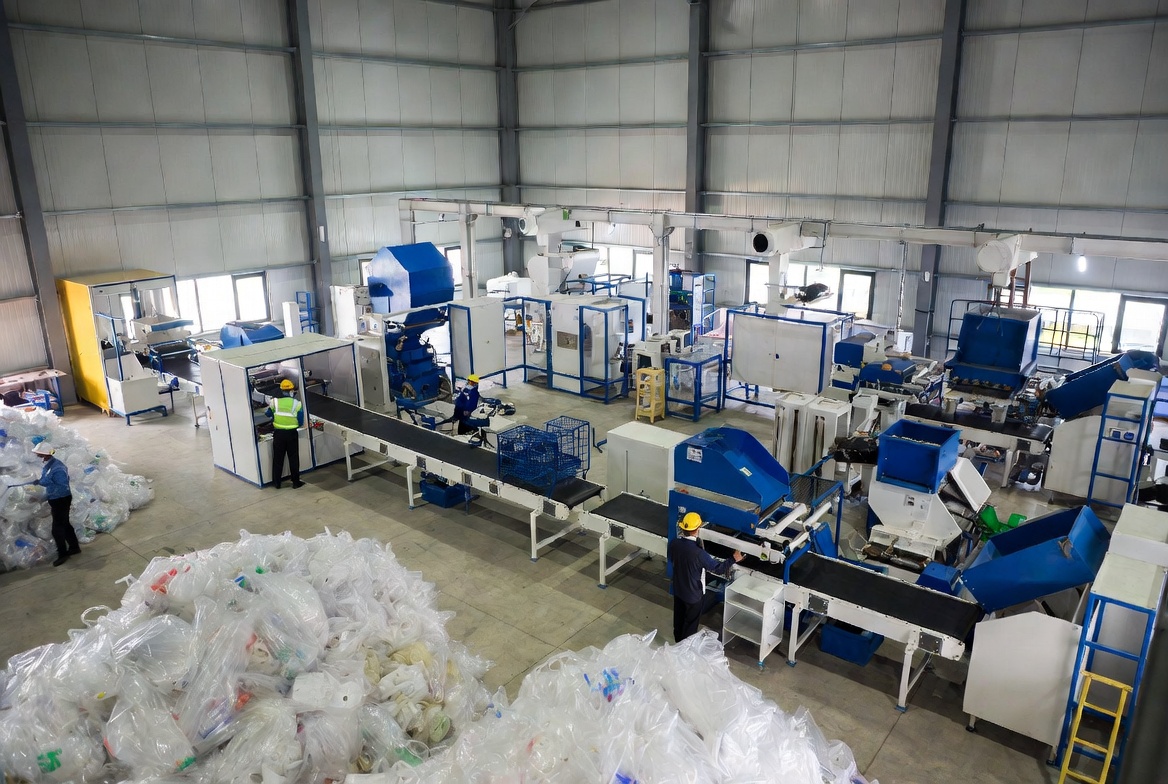
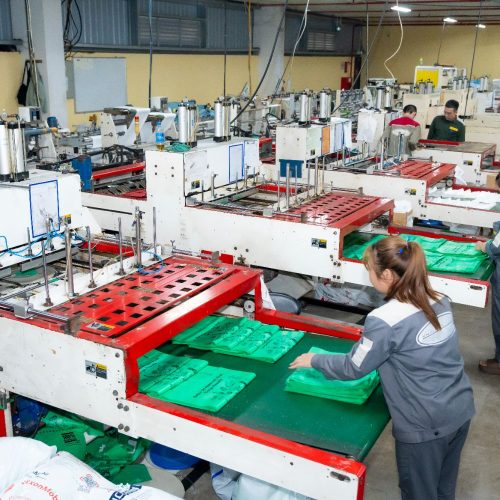
A modern recycling facility with conveyor belts separating plastic bags, hand stretch film, die‑cut bag plastic, and hazardous garbage plas…
Why Plastic Waste Recycling Matters
Environmental impact: Recycling one ton of plastic saves up to 1,500 gallons of oil and reduces CO₂ emissions by roughly 1.5 metric tons.
Economic advantage: Recycled plastic commands a stable market price, especially for high‑volume items like refuse sack plastic bags and food plastic bags, providing a revenue stream for manufacturers.
Regulatory compliance: Many regions now require documented waste‑management plans; recycling helps companies meet these mandates while avoiding penalties.
Key Steps in the Plastic Recycling Process
1. Collection and Segregation
- Separate plastic bags, hand stretch film, and die‑cut bag plastic from other waste streams.
- Use color‑coded bins to reduce contamination.
2. Cleaning and Preparation
- Rinse to remove food residue, oils, and adhesives.
- Dry the material to prevent clumping during shredding.
3. Shredding and Size Reduction
- Shredders cut the plastic into uniform flakes, facilitating downstream processing.
- Specialized handle wrap tool plastic bag shredders can handle thicker, reinforced films.
4. Separation by Density
- Float‑sink tanks separate lighter polymers (e.g., polyethylene) from heavier ones (e.g., polypropylene).
- This step ensures consistent feedstock for extrusion.
5. Extrusion and Pelletizing
- Clean flakes are melted and extruded into continuous strands.
- Strands are cooled and cut into uniform pellets ready for resale.
Common Plastic Products Recycled by VNPLAST
- Plastic bag – standard grocery and retail bags.
- Hand stretch film – used for pallet wrapping in logistics.
- Die cut bag plastic – custom‑shaped packaging.
- Refuse sack plastic bag – waste collection sacks.
- Garbage plastic bag – general waste containment.
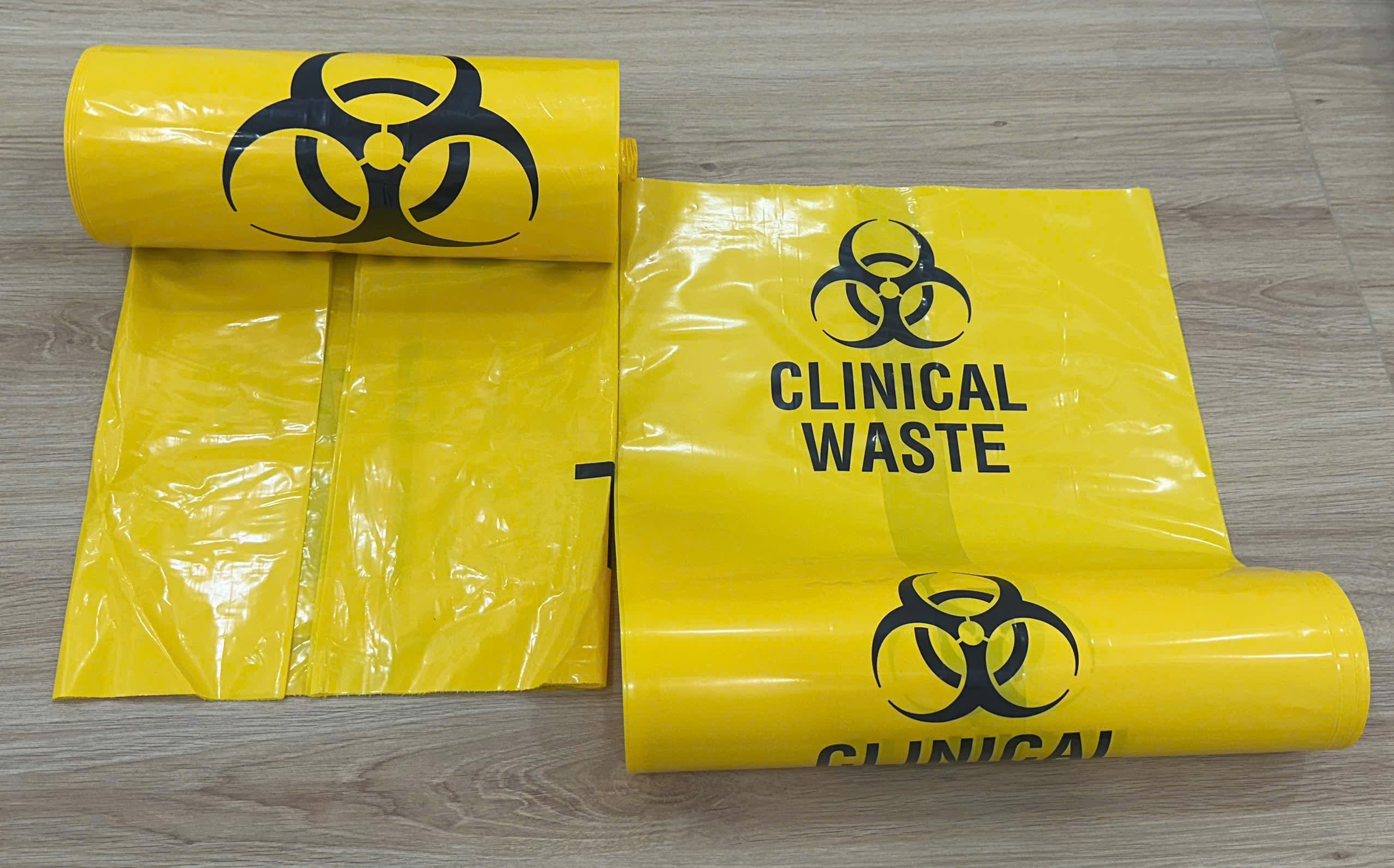
- Hazardous plastic garbage – chemically‑resistant containers.
- Handle wrap tool plastic bag – industrial strap wraps.
- Block header plastic bag – bulk storage solutions.
- Food plastic bag – sealed food packaging.
Economic and Environmental Benefits
Cost Savings
- Reduced raw‑material purchases: recycled polyethylene can replace virgin resin at a 30‑40% lower cost.
- Lower waste‑disposal fees: many municipalities charge per ton of landfill waste.
Environmental Gains
- Decreased marine pollution: fewer plastic bags escape to waterways.
- Energy efficiency: producing recycled pellets uses ~60% less energy than creating new polymer.
Challenges and Best Practices
Contamination: Even small amounts of food residue can degrade pellet quality. Implement strict pre‑wash protocols.
Material Identification: Mixed‑polymer streams require advanced sorting technologies (e.g., near‑infrared spectroscopy).
Market Fluctuations: Prices for recycled resin can vary; maintain diversified customer bases, including manufacturers of block header plastic bags and food plastic bags.
Decision Checklist for Businesses Considering Plastic Waste Recycling
- Assess volume: Do you generate >5 tons of plastic waste per month?
- Identify polymer types: Are most items polyethylene (PE) or polypropylene (PP)?
- Evaluate contamination levels: Is waste pre‑cleaned or mixed with organic matter?
- Choose a processing partner: Does the recycler handle hazardous plastic garbage and provide certification?
- Calculate ROI: Compare cost of virgin resin vs. recycled pellets, including transportation and handling.
- Plan for compliance: Ensure documentation meets local waste‑management regulations.
Real‑World Use Cases
VNPLAST partnered with a regional grocery chain to collect over 2,000 tons of used plastic bags and hand stretch film annually. The material was processed into high‑quality pellets, which the chain’s private‑label brand used to manufacture new food plastic bags. This closed‑loop system cut the chain’s packaging costs by 22% and reduced its carbon footprint by 1,800 tons of CO₂ per year.
Frequently Asked Questions
What types of plastic bags can be recycled?
Most single‑layer polyethylene bags, including grocery bags, refuse sack plastic bags, and food plastic bags, are recyclable. Multi‑layer or heavily contaminated bags may require specialized processing.
How does recycling hazardous plastic garbage differ from regular plastic waste?
Hazardous plastic containers must be cleaned to remove chemical residues, and they often undergo additional testing for safety before being re‑processed. Certified recyclers handle these streams to ensure compliance with environmental regulations.
Can recycled plastic be used for food‑grade packaging?
Yes, when the recycling process includes thorough cleaning, proper melt‑filtering, and compliance with food‑contact standards (e.g., FDA or EU regulations), recycled pellets can be used for new food‑grade bags.
What is the typical turnaround time from collection to pellet delivery?
For well‑sorted streams, the process usually takes 2–4 weeks, depending on batch size and the need for additional decontamination steps.
How can small businesses start a plastic waste recycling program?
Begin by segregating plastic waste at the source, partner with a local recycler that accepts the specific polymer types you generate, and track the volume to measure cost savings and environmental impact.
Conclusion
Plastic waste recycling transforms discarded bags, stretch film, and specialty plastics into valuable resources, delivering measurable cost reductions and environmental benefits. By following a structured collection‑to‑pellet workflow, leveraging best‑practice checklists, and partnering with experienced recyclers like VNPLAST, businesses can close the loop on plastic packaging, meet regulatory demands, and strengthen their sustainability credentials.