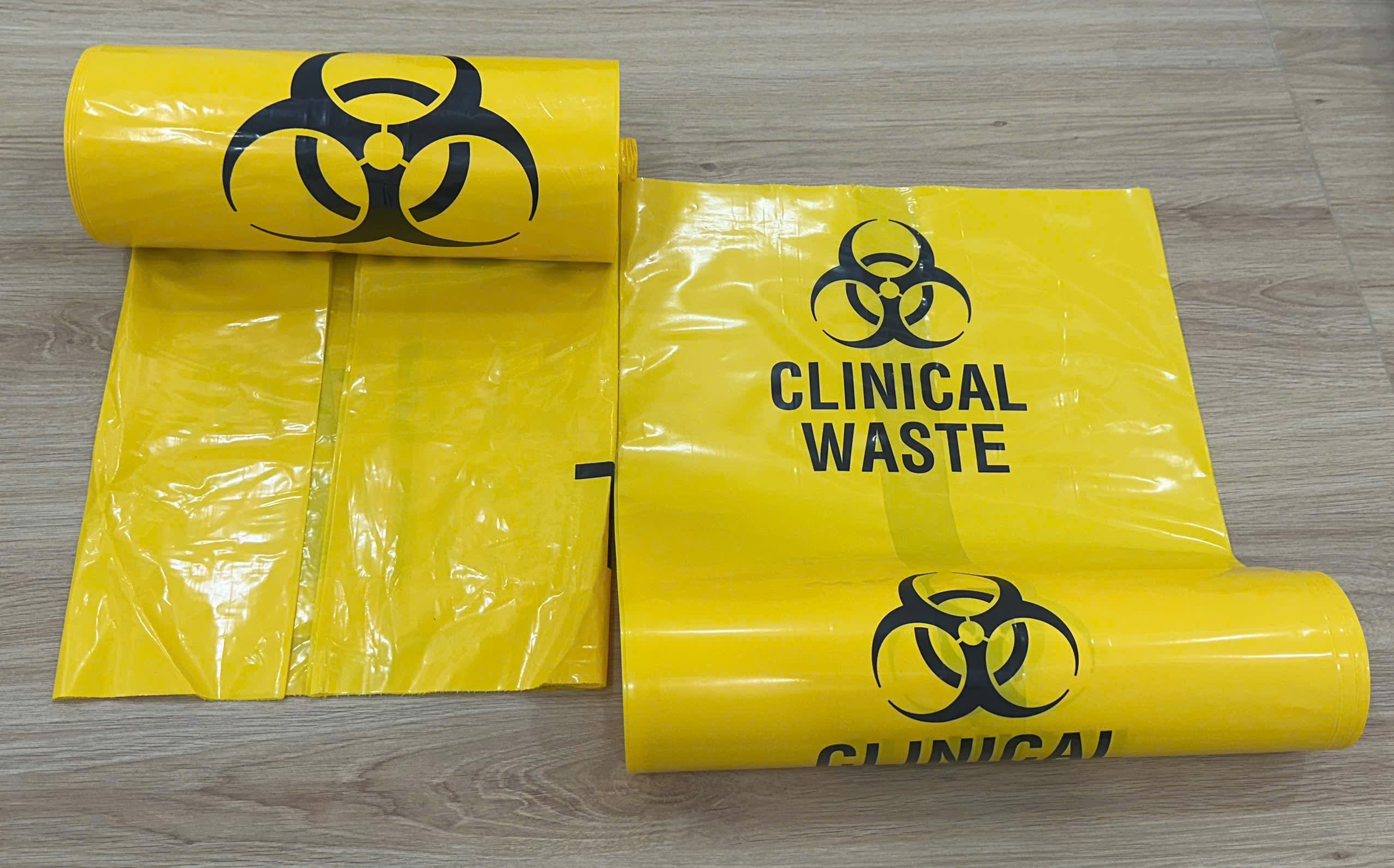
When you search for a Stear Seal bag machine, you expect a clear answer on what it does, how it fits into your production line, and which model delivers the best return on investment. In the first few sentences we explain that a Stear Seal bag machine is a specialized sealing device that creates a strong, heat‑activated seam on plastic bags, ideal for everything from garbage bags to food‑grade packaging. This article delivers the decisive factors, real‑world use cases, and a step‑by‑step checklist so you can select, install, and operate the perfect machine for VNPLAST’s range of plastic bag products.
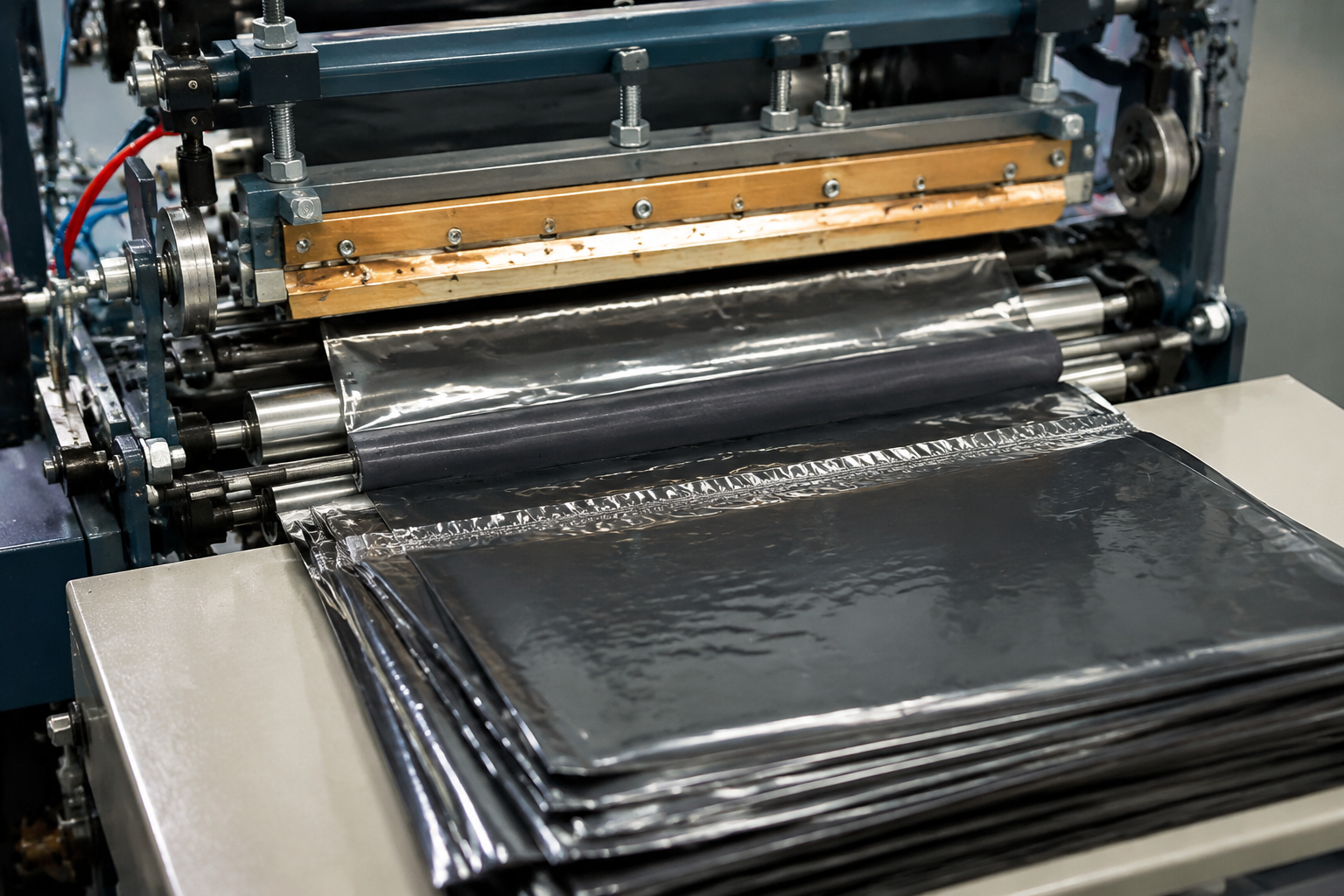
Close‑up view of a Stear Seal bag machine in operation, showing the heated sealing bar, feed rollers, and a stack of freshly sealed garbage…
What Is a Stear Seal Bag Machine?
A Stear Seal bag machine uses a heated steel (stear) bar to fuse the edges of thermoplastic films, forming a permanent seal. It is commonly employed for:
- Garbage plastic bags – high‑strength seals to prevent leaks.
- Food plastic bags – hygienic, tamper‑evident seals.
- Hazardous waste bags – reinforced seams for safety compliance.
- Recycle plastic bags – economical sealing for bulk packaging.
Core Components and How They Work
Understanding each part helps you evaluate machine quality and maintenance needs.
- Feeding system – motorized rollers that guide the film into the sealing zone.
- Heating element – precisely controlled stear bar that reaches 180‑210 °C for most LDPE/LLDPE films.
- Pressure rollers – apply uniform pressure to ensure a consistent seal.
- Cutting unit – optional knife that trims the bag to the desired length.
- Control panel – PLC or touch‑screen interface for temperature, speed, and seal length settings.
Why Choose a Stear Seal Machine for VNPLAST’s Product Lines?
VNPLAST manufactures a broad spectrum of plastic bags, including Hand Stretch Film, Die Cut Bag Plastic, and Block Header Plastic Bag. A Stear Seal machine offers:
- Versatility – Handles various thicknesses (30‑120 µm) without changing tooling.
- Speed – Up to 150 bags per minute, matching high‑volume production.
- Seal integrity – Meets ISO 9001 standards for tensile strength and leak resistance.
- Energy efficiency – Modern units use insulated heating chambers to reduce power consumption by up to 30 %.
Decision‑Making Checklist
Use this checklist when evaluating suppliers or models.
- ✅ Film compatibility – Confirm the machine supports LDPE, LLDPE, and HDPE films used in your product range.
- ✅ Maximum seal width – Ensure it meets the widest bag (e.g., 300 mm for block header bags).
- ✅ Adjustable temperature – Look for a range of 150‑250 °C with ±2 °C accuracy.
- ✅ Automation level – Decide between manual, semi‑automatic, or fully automatic control.
- ✅ Service network – Verify local VNPLAST service partners can provide spare parts and training.
- ✅ Energy rating – Prefer machines with ENERGY STAR or equivalent certification.
Real‑World Use Cases
Below are three typical VNPLAST applications that illustrate how a Stear Seal bag machine adds value.
1. Manufacturing Refuse Sack Plastic Bags
Production runs of 10 000 sacks per shift require a seal strength of at least 6 kgf. A double‑steamed sealing system with a 2‑second dwell time achieves this without slowing the line.
2. Food‑Grade Die Cut Bag Production
Hygiene regulations demand a sealed edge free of contaminants. A stainless‑steel sealing bar paired with a HEPA‑filtered air curtain maintains cleanliness, while the machine’s quick‑change die reduces downtime.
3. Hazardous Plastic Garbage Bags
These bags need a reinforced seal to prevent punctures. Adding a secondary ultrasonic weld after the stear seal provides a double barrier, meeting EU waste‑handling directives.
Pros and Cons of Stear Seal Technology
- Pros
- Fast sealing speed suitable for high‑volume lines.
- Simple mechanical design reduces maintenance.
- Low initial investment compared with ultrasonic systems.
- Excellent compatibility with a wide range of thermoplastic films.
- Cons
- Seal strength can vary with film thickness; precise temperature control is critical.
- Not ideal for multilayer films with high‑temperature barriers.
- Heat‑generated seals may cause slight discoloration on transparent films.
Installation, Operation, and Maintenance Tips
Installation Checklist
- Verify floor load capacity (minimum 1500 kg per machine).
- Connect to a dedicated 3‑phase power supply with voltage stabilizer.
- Align feed rollers with the film roll tension to avoid slippage.
- Calibrate the sealing temperature using a calibrated infrared thermometer.
- Integrate safety guards and emergency stop buttons per OSHA standards.
Daily Operation Routine
- Inspect the sealing bar for wear; replace if surface roughness exceeds 0.2 µm.
- Check film tension and adjust roller pressure to maintain consistent feed speed.
- Run a 5‑minute warm‑up cycle to stabilize temperature before production.
- Log seal strength measurements every shift using a tensile tester.
Preventive Maintenance Schedule
- Weekly – Clean dust from heating element and lubricate roller bearings.
- Monthly – Verify temperature sensor calibration; replace worn seals on pneumatic components.
- Quarterly – Conduct a full electrical inspection, tighten all mounting bolts, and test emergency stop response.
- Annually – Perform a comprehensive overhaul, replace the stear bar if surface degradation is detected.
Cost Considerations and ROI Calculation
Typical entry‑level Stear Seal machines range from $8,000 to $25,000, while fully automated models can exceed $60,000. To estimate ROI:
- Calculate the cost per sealed bag (machine depreciation + energy + labor).
- Compare against the added value of sealed bags (reduced waste, higher market price).
- Factor in savings from lower defect rates—most users see a 0.5 % reduction in bag failures.
For a line producing 100 000 bags per month, a $30,000 investment can pay back in 12‑18 months when the defect‑related cost saving exceeds $2 500 per month.
Frequently Asked Questions
What film thickness can a Stear Seal bag machine handle?
Most models seal films from 30 µm up to 120 µm. For thicker films, a higher‑capacity heating element and stronger pressure rollers are required.
Is the seal water‑resistant?
Yes, a properly calibrated stear seal creates a water‑tight bond, making it suitable for garbage and hazardous waste bags.
Can the machine be integrated into an existing production line?
Absolutely. The machine features standard conveyor couplings and PLC communication protocols (Modbus, Ethernet/IP) for seamless integration.
How often does the sealing bar need replacement?
With regular maintenance, the sealing bar lasts 2‑3 years. Replace it when surface roughness exceeds 0.2 µm or if seal strength drops below specification.
What safety features are built in?
All units include thermal overload protection, safety interlocks on the guard doors, and an emergency stop that cuts power to the heating element instantly.
Conclusion
A Stear Seal bag machine is a versatile, cost‑effective solution for VNPLAST’s diverse plastic bag portfolio. By focusing on film compatibility, seal strength, and energy efficiency, you can select a model that boosts throughput while maintaining the high quality required for garbage, food, and hazardous waste packaging. Follow the installation and maintenance guidelines, use the decision checklist, and monitor performance metrics to ensure a fast ROI and long‑term reliability.