When you search for Stear Seal bag machine parts, you expect a clear answer on which components are essential, how they differ, and what to consider when buying or servicing them. This article delivers exactly that: a concise overview of every critical part, practical checklists, comparison tables, and expert tips to keep your bag‑sealing line running at peak efficiency.
Whether you produce plastic bags, hand stretch film, or specialized hazardous plastic garbage bags, the right Stear Seal bag machine parts can reduce downtime, improve seal quality, and extend the lifespan of your equipment.
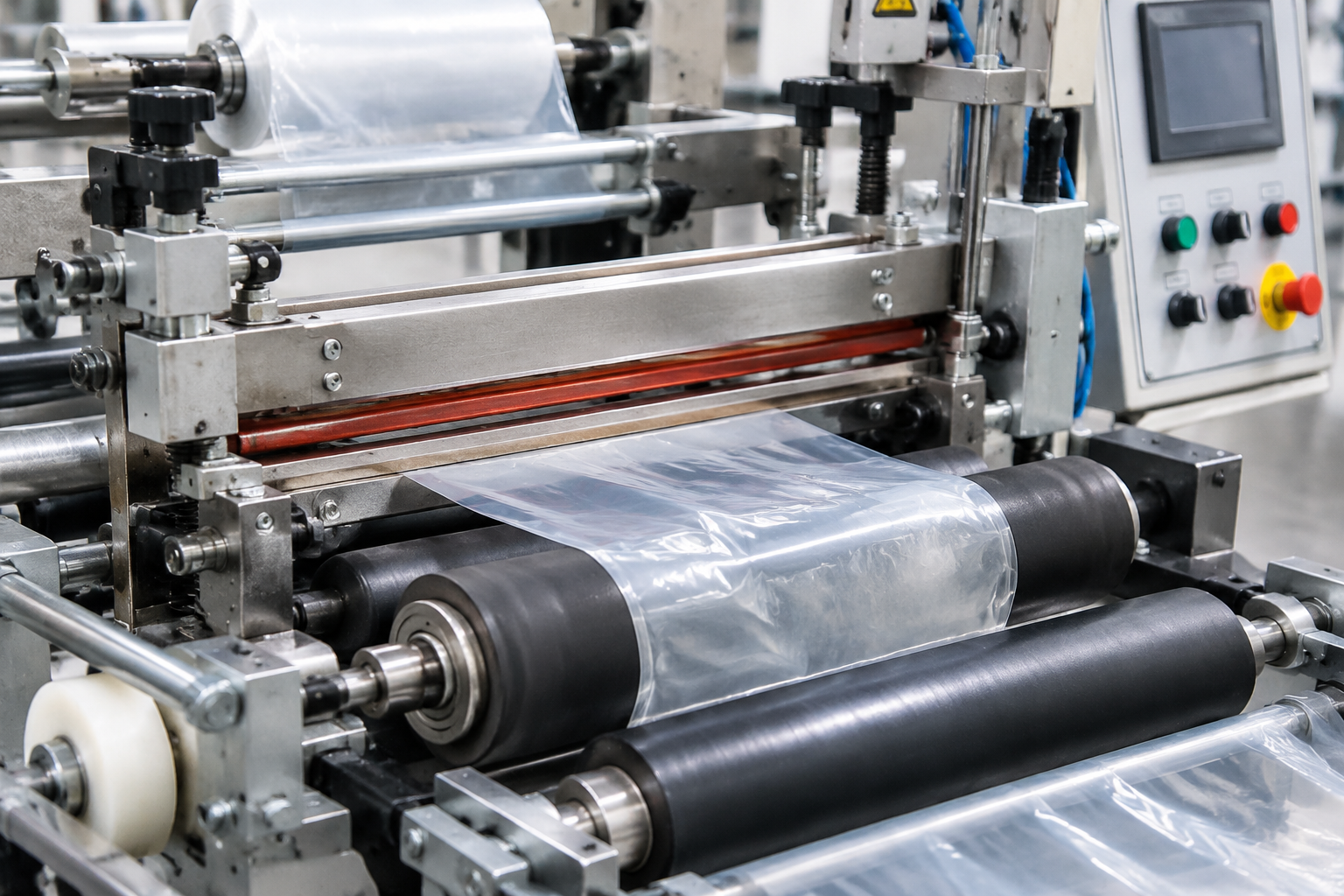
Close-up view of Stear Seal bag machine parts including sealing jaws, heating element, drive rollers, feed rollers, and control panel on a …
Core Components of a Stear Seal Bag Machine
The heart of any Stear Seal system is a series of interlocking parts that work together to form a reliable heat seal. Understanding each component helps you make informed purchasing decisions and diagnose issues quickly.
1. Sealing Jaws (Upper & Lower)
- Material: hardened steel or aluminum with Teflon coating for low friction.
- Function: Apply pressure and heat to fuse the bag layers.
- Key Specs: Jaw width (mm), temperature range (°C), and pressure rating (bar).
2. Heating Element
- Types: Cartridge heater, band heater, or infrared panel.
- Control: Integrated thermostats or PLC‑controlled variable frequency drives.
- Maintenance: Regular cleaning to prevent polymer buildup that can cause uneven heating.
3. Drive & Feed Rollers
- Drive Roller: Powered by a motor, sets the line speed (m/min).
- Feed Roller: Guides the film into the sealing zone; often equipped with a rubberized surface for grip.
- Adjustment: Quick‑change hubs allow for rapid roll width changes (from 300 mm to 1500 mm).
4. Tension Control System
- Components: Spring‑loaded tension arms, load cells, and electronic feedback loops.
- Benefit: Maintains consistent film tension, preventing wrinkles and seal defects.
5. Cutting Unit
- Blade Types: Rotary knives, guillotine blades, or ultrasonic cutters.
- Integration: Synchronized with the sealing cycle for precise bag length.
6. Control Panel & PLC
- Features: Real‑time monitoring of temperature, pressure, speed, and fault diagnostics.
- Connectivity: Ethernet or Modbus for remote monitoring and integration with factory MES.
Decision Checklist: Choosing the Right Parts for Your Application
Use this checklist when evaluating suppliers or planning a retrofit.
- Material Compatibility: Verify that sealing jaws and heating elements match the polymer type (LDPE, HDPE, PP, etc.) of your bags.
- Temperature Range: Ensure the heating element can reach the required sealing temperature plus a 20 % safety margin.
- Pressure Capacity: Check jaw pressure rating against the thickness of the bags you produce (e.g., 30 µm vs. 100 µm).
- Speed Requirements: Select drive rollers and motor specifications that support your target production speed (e.g., 60 m/min for high‑volume food plastic bags).
- Maintenance Accessibility: Prefer modular parts with quick‑release fasteners to reduce changeover time.
- Spare Part Availability: Confirm that OEM or third‑party replacements are stocked locally to avoid prolonged downtime.
Comparison: OEM vs. Aftermarket Stear Seal Bag Machine Parts
| Criteria | OEM Parts | Aftermarket Parts |
|---|---|---|
| Fit & Compatibility | Exact match to machine model, guaranteed by manufacturer. | May require minor adjustments; varies by supplier. |
| Cost | Higher price due to brand premium. | Typically 30‑50 % cheaper. |
| Warranty | Full machine warranty coverage. | Limited warranty; often 6‑12 months. |
| Lead Time | Longer for specialized parts (4‑6 weeks). | Often stocked; 1‑3 days delivery. |
| Performance | Engineered to exact specifications; optimal seal quality. | Comparable performance if quality‑checked; risk of variance. |
Common Failure Modes and How to Prevent Them
Seal Inconsistency
Cause: Worn sealing jaws or uneven heating.
Prevention: Schedule jaw inspections every 2 000 hours; replace Teflon coating when wear exceeds 0.1 mm.
Roller Slippage
Cause: Contaminated roller surface or inadequate tension.
Prevention: Clean rollers weekly with isopropyl alcohol; calibrate tension arms monthly.
Blade Breakage
Cause: Improper blade alignment or using the wrong blade type for film thickness.
Prevention: Verify blade clearance with a feeler gauge; keep a spare set of blades on‑site.
Installation Guide: Replacing a Sealing Jaw Set
- Power down the machine and lock out/tag out according to safety standards.
- Remove the protective cover using the designated Allen key.
- Loosen the jaw mounting bolts (typically M10 × 1.5) and slide the worn jaws out.
- Inspect the sealing bar for burrs; clean with a non‑abrasive brush.
- Place the new jaws, ensuring the Teflon side faces the film flow direction.
- Tighten bolts to the torque specification (≈ 12 Nm).
- Re‑install the cover, restore power, and run a test seal at low temperature.
- Gradually increase temperature to the recommended setting and verify seal strength with a tensile tester.
Real‑World Use Cases: From Food Bags to Hazardous Waste Sacks
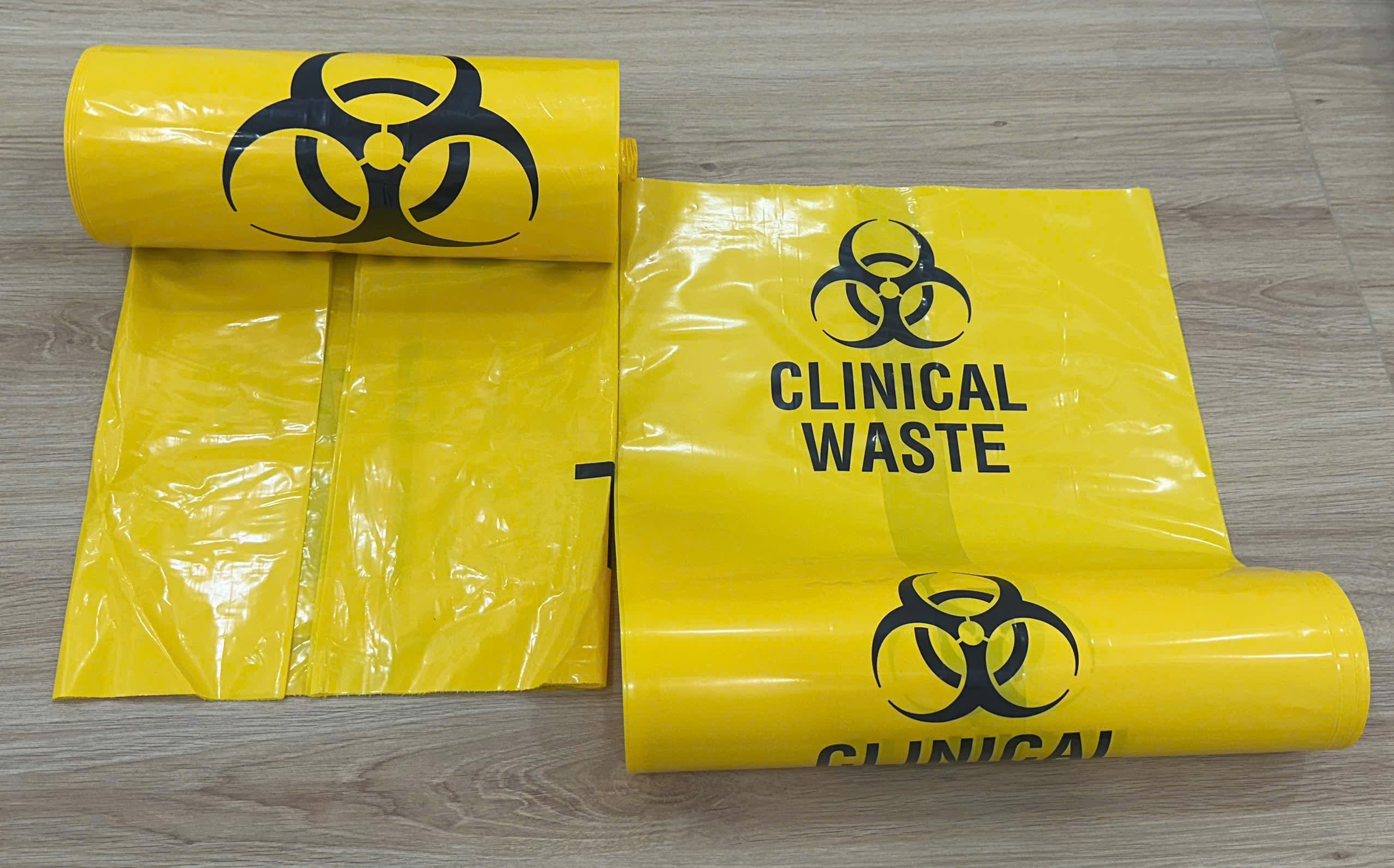
Manufacturers of food plastic bags often prioritize quick changeover and high‑temperature seals to meet food‑safety standards. In contrast, producers of hazardous plastic garbage bags require robust, high‑pressure jaws and corrosion‑resistant heating elements to handle thicker, reinforced films.
By selecting the appropriate Stear Seal bag machine parts—such as stainless‑steel jaws for corrosive environments or high‑power band heaters for thick HDPE—the line can meet both regulatory compliance and production efficiency.
Pros and Cons of Upgrading to Advanced Parts
- Pros:
- Improved seal consistency → lower reject rates.
- Higher operating speeds → increased throughput.
- Energy‑efficient heating elements reduce power consumption.
- Modular design shortens maintenance downtime.
- Cons:
- Initial capital outlay can be significant.
- Training required for new PLC interfaces.
- Potential compatibility issues with legacy equipment.
Frequently Asked Questions
What are the most critical Stear Seal bag machine parts to keep in stock?
For most production lines, maintain an inventory of sealing jaws, heating elements, drive rollers, and cutting blades. These components account for over 70 % of unplanned downtime when they fail.
Can I use aftermarket parts on a VNPLAST‑branded machine?
Yes, but verify that the aftermarket supplier provides detailed dimensions and material specifications. Ensure the parts meet VNPLAST’s tolerance levels to avoid warranty issues.
How often should sealing jaws be inspected?
Inspect jaws every 2 000 operating hours or after any significant change in film thickness. Replace them when wear exceeds 0.1 mm or when the Teflon coating shows cracking.
What temperature range is typical for sealing LDPE bags?
LDPE typically seals between 150 °C and 180 °C. Adjust the heating element based on film thickness: thicker films may need up to 200 °C.
Is it possible to retrofit an older machine with a digital PLC control panel?
Most legacy Stear Seal machines can be upgraded with a PLC that supports Ethernet communication. Check the motor driver compatibility and ensure proper grounding to avoid electrical noise.
Conclusion
Choosing the right Stear Seal bag machine parts is a strategic decision that directly influences product quality, production speed, and total cost of ownership. By evaluating material compatibility, temperature and pressure requirements, and maintenance accessibility, you can build a resilient bag‑sealing line that serves diverse applications—from food‑grade plastic bags to heavy‑duty hazardous waste sacks. Keep a well‑planned spare‑parts inventory, follow the installation best practices outlined above, and regularly audit component wear to minimize downtime and maximize ROI.