Businesses and environmentally‑conscious consumers alike are searching for a durable, cost‑effective alternative to single‑use plastic bags. The Stear Seal reusable bag answers that need by combining high‑tear resistance, airtight sealing, and a design that can be reused hundreds of times. In this guide we explain what makes Stear Seal bags stand out, how to select the right size and material, real‑world applications, maintenance tips, and a quick decision checklist so you can adopt the best solution for your operation.
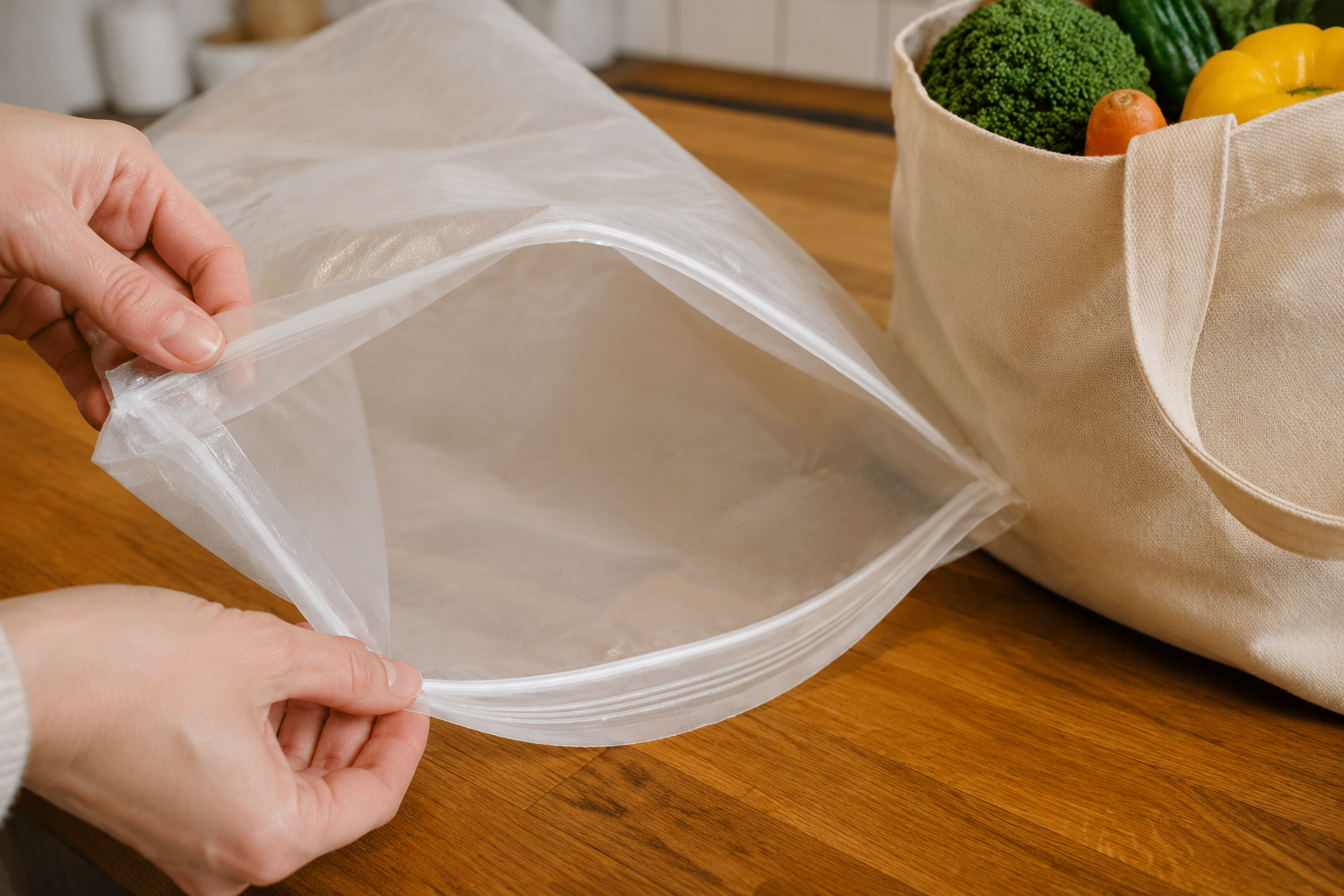
Close‑up view of a Stear Seal reusable bag opened to show its sturdy polyethylene construction, reinforced seams, and a zip‑lock style seal…
What Is a Stear Seal Reusable Bag?
A Stear Seal reusable bag is a heavy‑duty polyethylene (PE) or polypropylene (PP) bag equipped with a heat‑activated seal that can be opened and resealed repeatedly. Unlike standard plastic grocery bags, it features:
- Thermal seal strip that fuses when heated, creating an airtight closure.
- Reinforced edges with double stitching or ultrasonic welding for added strength.
- Multi‑layer barrier that resists moisture, oils, and chemicals, making it suitable for food, hazardous waste, and industrial parts.
Key Benefits Over Traditional Plastic Bags
Environmental Impact
Because a single Stear Seal bag can replace thousands of single‑use bags, the overall carbon footprint drops dramatically. The material is recyclable at the end of its life cycle, and many manufacturers (including VNPLAST) use post‑consumer recycled plastic in production.
Cost Savings
- Lower per‑use cost: One bag used 500 times costs less than buying 500 disposable bags.
- Reduced waste disposal fees for businesses handling hazardous or food waste.
- Longer lifespan due to reinforced seams and heat‑seal durability.
Performance Advantages
- Water‑tight and airtight seal prevents leaks.
- Resists punctures and tears better than standard PE bags.
- Can be sterilized with hot water or UV for food‑grade applications.
Choosing the Right Stear Seal Reusable Bag
Material Selection
Two primary polymers are used:
- High‑density polyethylene (HDPE): Excellent chemical resistance, ideal for hazardous waste and industrial chemicals.
- Low‑density polyethylene (LDPE): More flexible, better for food storage and retail packaging.
Size and Capacity
Measure the maximum volume of items you intend to store. Common capacities range from 5 L for small retail items to 200 L for bulk waste. Selecting a bag that is too small leads to over‑stretching and early failure.
Seal Type
- Heat‑seal strip: Provides a permanent, leak‑proof closure when re‑sealed with a handheld heat gun.
- Zip‑lock style: Offers quick access but may not be as airtight for hazardous material.
Compliance and Certifications
For food or hazardous applications, verify that the bag meets relevant standards such as FDA food‑contact, ISO 9001, or local hazardous waste regulations.
Real‑World Use Cases
Retail and Grocery Stores
Stear Seal bags replace disposable produce bags, reducing waste and offering shoppers a reusable option that can be sterilized and reused.
Industrial Waste Management
Companies handling scrap metal, chemicals, or construction debris use HDPE Stear Seal bags as refuse sacks that can be sealed tightly, preventing spillage during transport.
Food Service and Catering
Chefs store pre‑cut vegetables, marinated meats, or bulk dry goods in LDPE Stear Seal bags, extending shelf life and maintaining hygiene.
Medical and Hazardous Waste
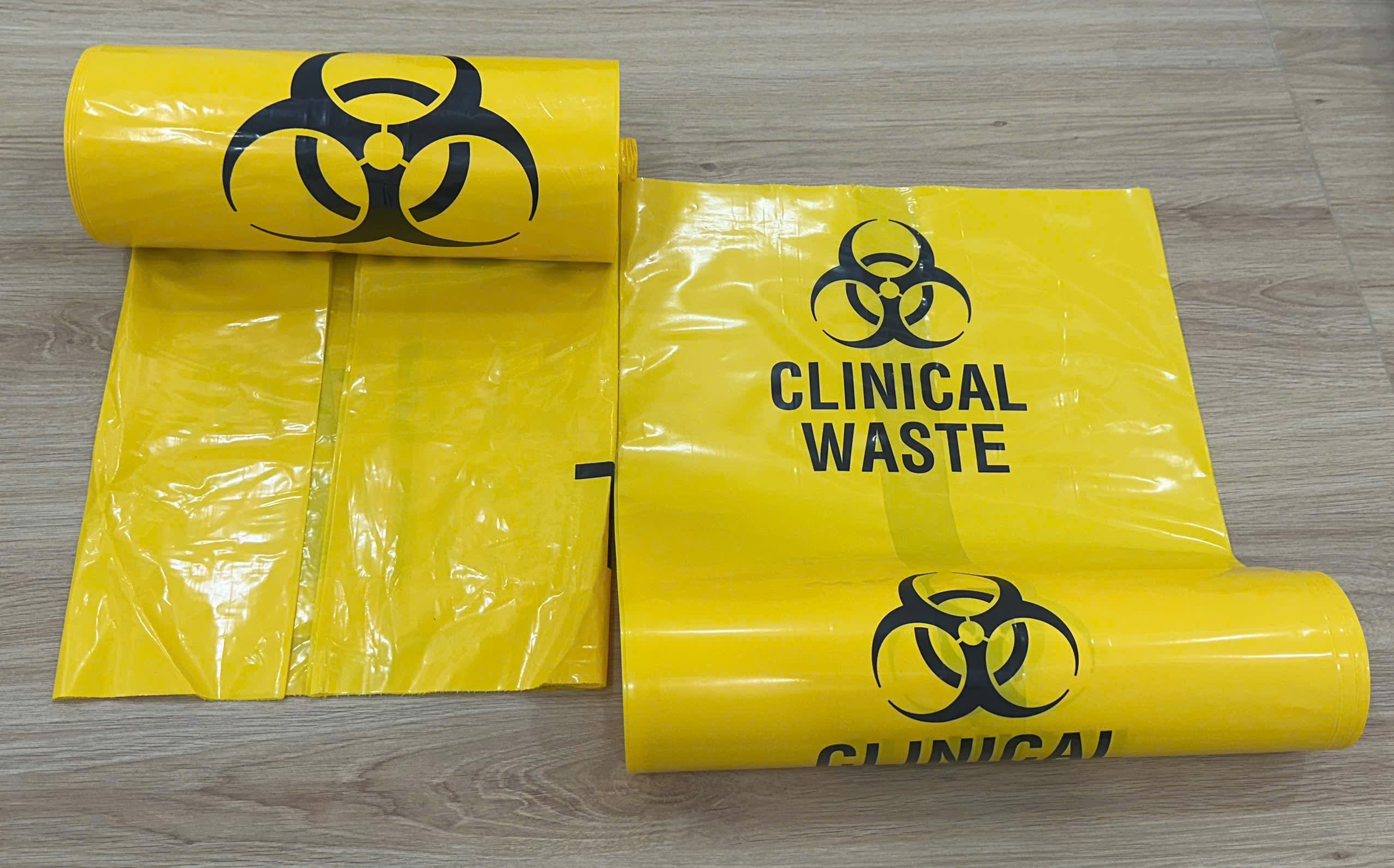
Hospitals use specialized Stear Seal bags with additional barrier layers to contain biohazardous waste, ensuring compliance with health‑safety protocols.
How to Properly Use and Maintain Stear Seal Reusable Bags
Sealing Procedure
- Place the contents inside the bag, leaving enough headroom for the seal.
- Close the zip‑lock or align the heat‑seal strip.
- Apply a handheld heat gun (150‑180 °C) along the seal line for 2‑3 seconds.
- Allow the seal to cool; it will lock instantly.
Cleaning and Sterilization
- Rinse with warm water and mild detergent after each use.
- For food‑grade bags, soak in a 2% sodium hypochlorite solution for 5 minutes, then rinse.
- UV‑C light cabinets can be used for quick sterilization without chemicals.
Inspection Checklist
- Check seams for fraying or delamination.
- Inspect the seal strip for wear; replace if the seal no longer fuses.
- Verify that the bag retains its shape and does not sag under load.
Decision Checklist: Is the Stear Seal Reusable Bag Right for You?
- Do you need airtight sealing? – Yes, for food or hazardous waste.
- Is your volume above 5 L per use? – Stear Seal bags excel at larger capacities.
- Do you have a heat‑sealing device? – Required for the most secure closure.
- Are you aiming to reduce single‑use plastic waste? – This bag offers a measurable reduction.
- Do you need compliance with specific regulations? – Choose certified material (FDA, ISO, etc.).
Pros and Cons at a Glance
| Pros | Cons |
|---|---|
|
|
Frequently Asked Questions
How many times can a Stear Seal reusable bag be re‑sealed?
When used with proper heat‑sealing equipment and regular inspection, a high‑quality Stear Seal bag can be re‑sealed 300‑500 times before the seal strip wears out.
Is the bag safe for direct food contact?
Yes, if the bag is manufactured from FDA‑approved LDPE and is cleaned according to food‑safety guidelines. Look for the “Food‑Grade” label on the product page.
Can I recycle a Stear Seal bag after its lifespan ends?
Absolutely. Most Stear Seal bags are made from recyclable PE or PP. Separate them from contaminated waste, rinse, and drop them at a local recycling facility that accepts plastic bags.
What temperature range can the bag withstand?
The bag can handle temperatures from –20 °C up to 80 °C without losing integrity, making it suitable for freezer storage and hot‑water cleaning.
Do I need a special heat gun for sealing?
A standard handheld heat gun with temperature control (150‑180 °C) is sufficient. Some manufacturers also provide a dedicated sealing bar for faster batch processing.
Conclusion
The Stear Seal reusable bag offers a compelling blend of durability, environmental responsibility, and cost savings for a wide range of applications—from grocery retail to hazardous waste management. By selecting the appropriate material, size, and seal type, and by following proper usage and maintenance practices, businesses and consumers can significantly reduce single‑use plastic waste while enjoying a reliable, airtight packaging solution. Embrace the Stear Seal reusable bag today and position your operation at the forefront of sustainable packaging.