When you search for a stretch film machine, you expect a solution that speeds up pallet wrapping, reduces labor costs, and protects goods during transport. This guide explains how stretch film machines work, the key features to consider, and how VNPLAST’s product line—featuring Hand Stretch Film, Die Cut Bag Plastic, and other specialty bags—integrates with the equipment for optimal performance. By the end of this article, you’ll know which machine fits your operation, how to evaluate ROI, and what safety and maintenance steps are essential.
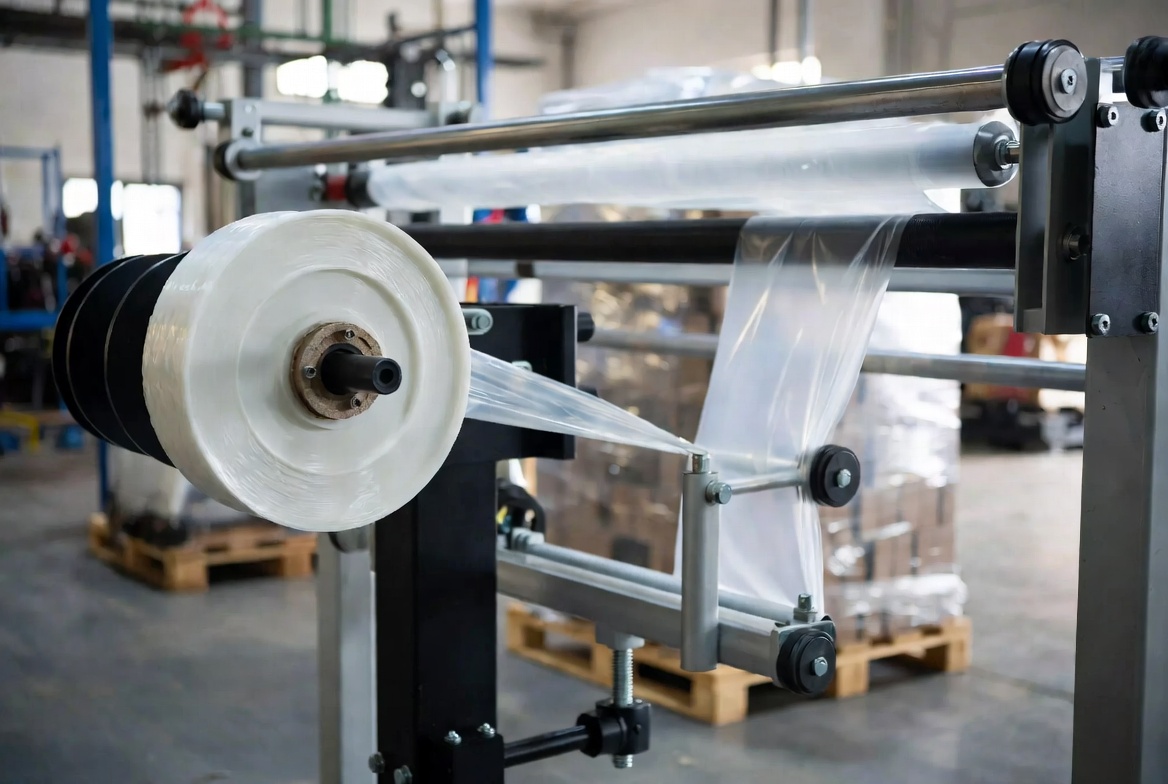
Close‑up of a modern automatic stretch film machine in a warehouse, showing the film roll, tension rollers, and a pallet being wrapped with…
How a Stretch Film Machine Works
A stretch film machine automates the application of cling film around palletized loads. The core process includes:
- Film unwind: The roll feeds into a tension system that pulls the film at a controlled rate.
- Pre‑stretch: A set of rollers elongates the film before it contacts the load, creating elasticity.
- Wrap cycle: The machine rotates the pallet, applying the stretched film in overlapping layers.
- Cut and seal: An automatic cutter trims the film, and a brake system stops the roll.
Types of Stretch Film Machines
Fully Automatic vs. Semi‑Automatic
Fully automatic machines handle loading, wrapping, and unloading without operator intervention. They are ideal for high‑volume distribution centers handling more than 1,000 pallets per shift.
Semi‑automatic machines require an operator to place the pallet and start the cycle, but the film application is automated. They suit small‑to‑mid size warehouses where flexibility and lower upfront cost are priorities.
Hand‑Held Stretch Wrappers
Hand‑held units are portable and perfect for irregularly shaped loads or low‑volume applications. Pair them with VNPLAST’s Hand Stretch Film for consistent tension and reduced film waste.
Key Decision Factors
Choosing the right stretch film machine involves evaluating several criteria. Use the checklist below to compare options against your operational needs.
- Throughput capacity – Number of pallets per hour the machine can reliably wrap.
- Film compatibility – Ability to handle different film gauges (e.g., 12 µm, 17 µm) and types such as recycled stretch film.
- Footprint and mobility – Floor space required and whether the unit can be moved for line reconfiguration.
- Control system – PLC or touchscreen interface, programmable wrap patterns, and integration with warehouse management systems.
- Safety features – Emergency stop, safety guards, and compliance with ISO 13849.
- Maintenance requirements – Frequency of roller replacement, lubrication points, and availability of spare parts.
- Energy consumption – Power rating and efficiency, especially for 24/7 operations.
Pros and Cons of Automatic Stretch Film Machines
- Pros
- Consistent film tension reduces product damage.
- Higher throughput lowers labor cost per pallet.
- Integrated data logging supports KPI tracking.
- Reduced film waste compared to manual application.
- Cons
- Higher initial capital expenditure.
- Requires regular preventive maintenance.
- Space constraints in smaller facilities.
- Training needed for operators and maintenance staff.
Real‑World Use Cases
Industries that benefit most from stretch film machines include food & beverage, chemicals, consumer goods, and e‑commerce fulfillment. Below are three illustrative scenarios.
Food Plastic Bag Production Line
VNPLAST’s Food Plastic Bag manufacturers use a semi‑automatic stretch film machine to wrap pallets of sealed bags. The machine’s gentle tension prevents puncturing delicate film while ensuring a tight seal that meets food safety standards.
Hazardous Plastic Garbage Management
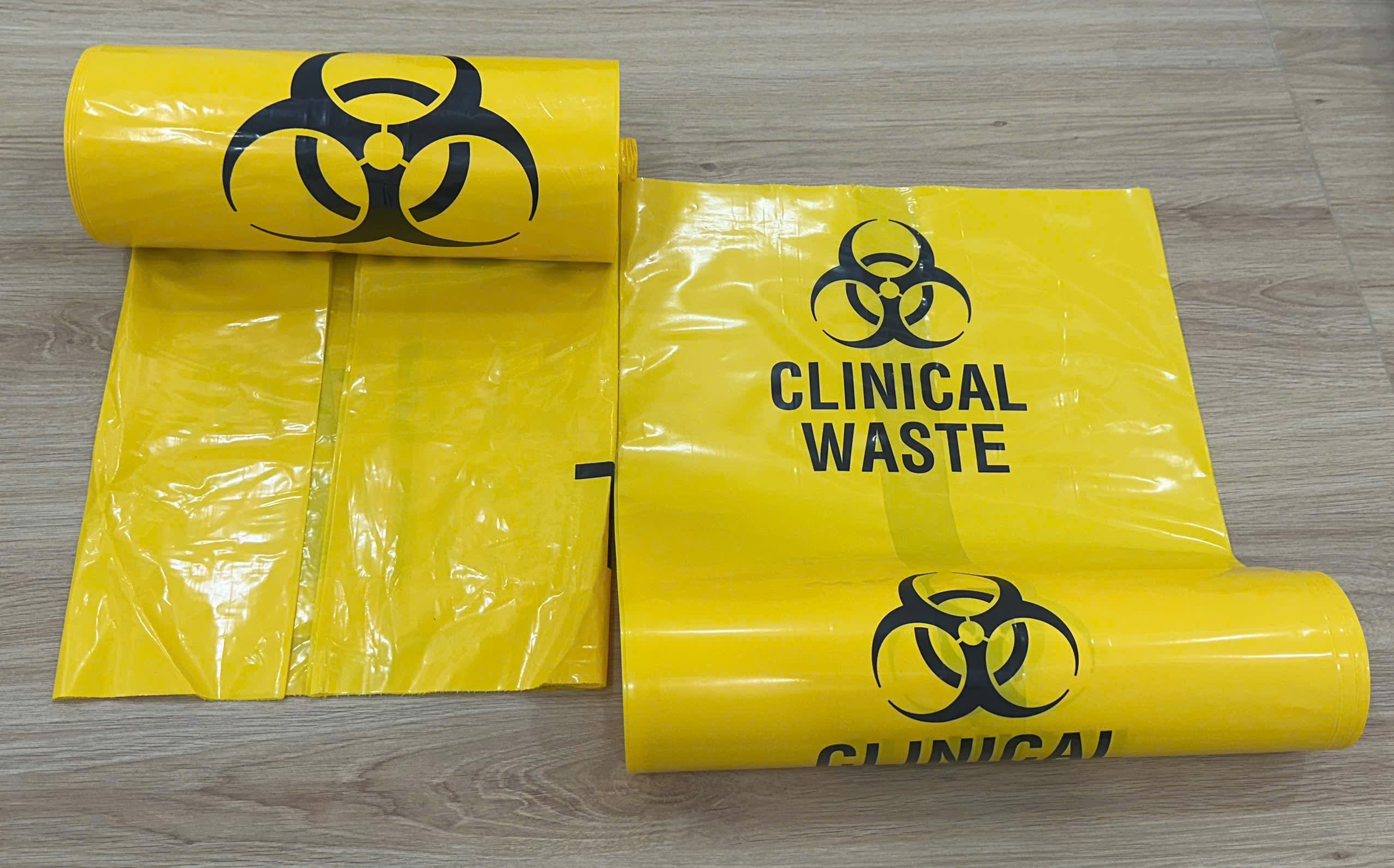
Municipal waste facilities employ heavy‑duty automatic wrappers to contain hazardous plastic garbage bags. The high‑strength film and rapid wrap cycle minimize exposure risk and comply with environmental regulations.
E‑commerce Fulfillment Center
A midsize e‑commerce warehouse integrated a fully automatic stretch film machine with its conveyor system. By pairing it with VNPLAST’s recycled stretch film, the center achieved a 22 % reduction in packaging waste and a 15 % increase in order‑to‑ship speed.
Installation, Training, and Maintenance Tips
Installation Checklist
- Verify floor load capacity (minimum 150 kg/m²).
- Ensure power supply matches machine rating (typically 380 V three‑phase).
- Allocate clearance of at least 1.5 m around the unit for safe operation.
- Connect the machine to the warehouse’s network for data integration.
Operator Training Essentials
- Film loading procedure – proper alignment of the roll and tension settings.
- Safety protocol – use of emergency stop, lockout/tagout during maintenance.
- Basic troubleshooting – film jam clearance, sensor reset, and error code interpretation.
Preventive Maintenance Schedule
- Daily: Clean film path, inspect rollers for wear.
- Weekly: Lubricate moving bearings, check tension sensor calibration.
- Monthly: Verify electrical connections, test safety interlocks.
- Annually: Replace worn rollers, conduct full performance audit.
Cost‑Benefit Analysis Example
Assume a warehouse processes 800 pallets per day. Manual wrapping costs $0.45 per pallet in labor, while an automatic machine costs $0.20 per pallet in film plus $0.05 in electricity. The machine’s purchase price is $45,000 with a 5‑year depreciation.
- Annual manual cost: 800 pallets × 365 days × $0.45 ≈ $131,400
- Annual machine cost: (800 × 365 × $0.25) + ($45,000 ÷ 5) ≈ $73,000
- Net savings per year: $58,400 (44 % reduction)
This simple model shows a payback period of under 1 year, making the investment attractive for high‑volume operations.
Choosing the Right VNPLAST Stretch Film Machine
VNPLAST offers three core models:
- VNP‑Auto300 – 300 pallets/hr, full automation, touchscreen UI, compatible with recycled stretch film.
- VNP‑Semi200 – 200 pallets/hr, semi‑automatic, compact footprint, ideal for mixed‑product lines.
- VNP‑HandPro – Portable hand‑held wrapper, optimized for Hand Stretch Film and irregular loads.
Match the model to your throughput, space, and budget. For facilities already using VNPLAST’s Die Cut Bag Plastic or Block Header Plastic Bag, the VNP‑Auto300 integrates seamlessly with existing conveyor interfaces.
FAQ – Frequently Asked Questions
- What film thickness can a stretch film machine handle? Most VNPLAST machines accept 12 µm to 25 µm stretch film, including recycled grades.
- Do I need a separate film dispenser? The machine includes an integrated unwind system; a separate dispenser is unnecessary unless you use specialty films that require temperature control.
- Can the machine wrap irregularly shaped pallets? Semi‑automatic and hand‑held models can adjust wrap patterns for non‑standard dimensions, while fully automatic units use programmable settings for variable load sizes.
- What safety certifications are required? VNPLAST machines comply with ISO 13849‑1 (Safety of Machinery) and CE marking for European markets.
- How often should I replace the tension rollers? Typically every 12‑18 months, depending on film type and usage intensity.
Conclusion
Investing in a stretch film machine transforms pallet wrapping from a labor‑intensive task into a fast, consistent, and cost‑effective process. By evaluating throughput, film compatibility, safety features, and maintenance needs, you can select the VNPLAST model that aligns with your operational goals. Pair the machine with VNPLAST’s range of high‑quality plastic bags—such as Recycle Plastic bag and Hazardous Plastic Garbage—to maximize protection, reduce waste, and meet regulatory standards.