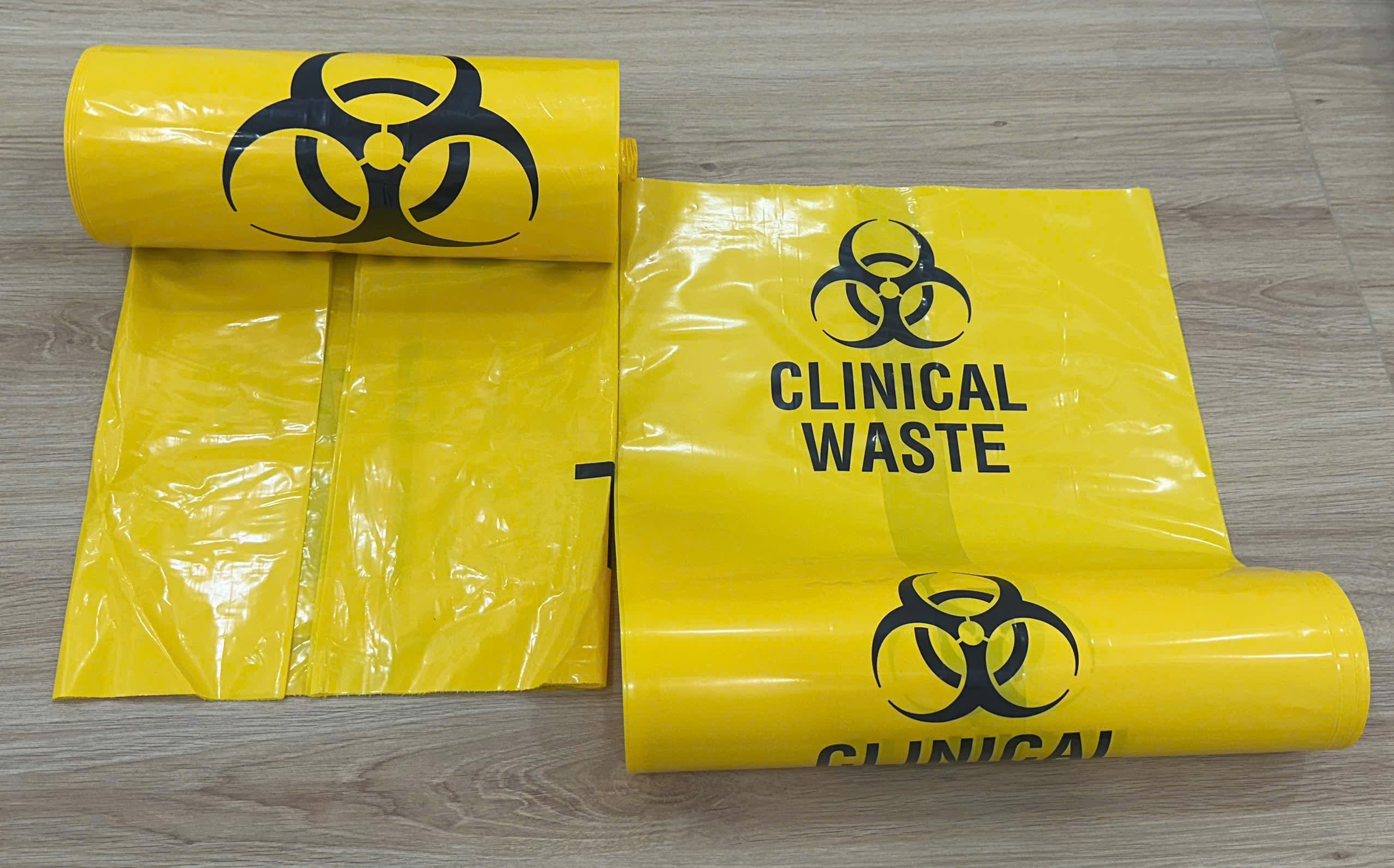
stretch film vietnam supplier is covered here with practical information for packaging buyers, converters and distributors.
PE Stretch Film Vietnam is a key searched by many wholesalers in the EU. Why? In Vietnam, which factory can produce quality PE Stretch Film? What Stretch Film used for? Let’s find out with VN Plastic (https://vnplast.com) in this article.
What is PE Stretch Film?
PE Stretch Film, also known as PE Stretch Film wrap, is a thin PE plastic film with excellent stretch to protect products. This PE film allows the products to be fixed together firmly. Stretch film is often used to wrap pallets before loading. Wrapping tightly together prevents small products from falling off.
There are many types of PE Stretch Film in the market with different uses such as:
- Bundling film ( stretch film wraps bundles together )
- Hand stretch (plastic film is used by hand to wrap manually)
- Extended core stretch film (plastic film with easy-to-operate handle core)
- Machine Stretch wrap (Super tough thin film to help operate on pe pallet wrapping machines)
- Static Dissipative Film ( Anti-static pallet protection film )
Use of PE Stretch Film
Exported products are usually packed in pallets. They are usually wrapped carefully by layers of PE Stretch Film on pallets. This helps protect against impact as well as steam when exporting. With anti-impact and scratch-resistant features, PE Stretch Film is the number 1 choice in the process of product protection.
Goods stored in warehouses for a long time are susceptible to dust. A layer of PE Stretch Film will help protect the goods and increase the lifespan. In addition to being resistant to dirt, PE stretch film can also be water resistant for the product.
Vn Plastic regularly exports PE plastic bags by sea, therefore, PE stretch film plays a huge role in product protection.
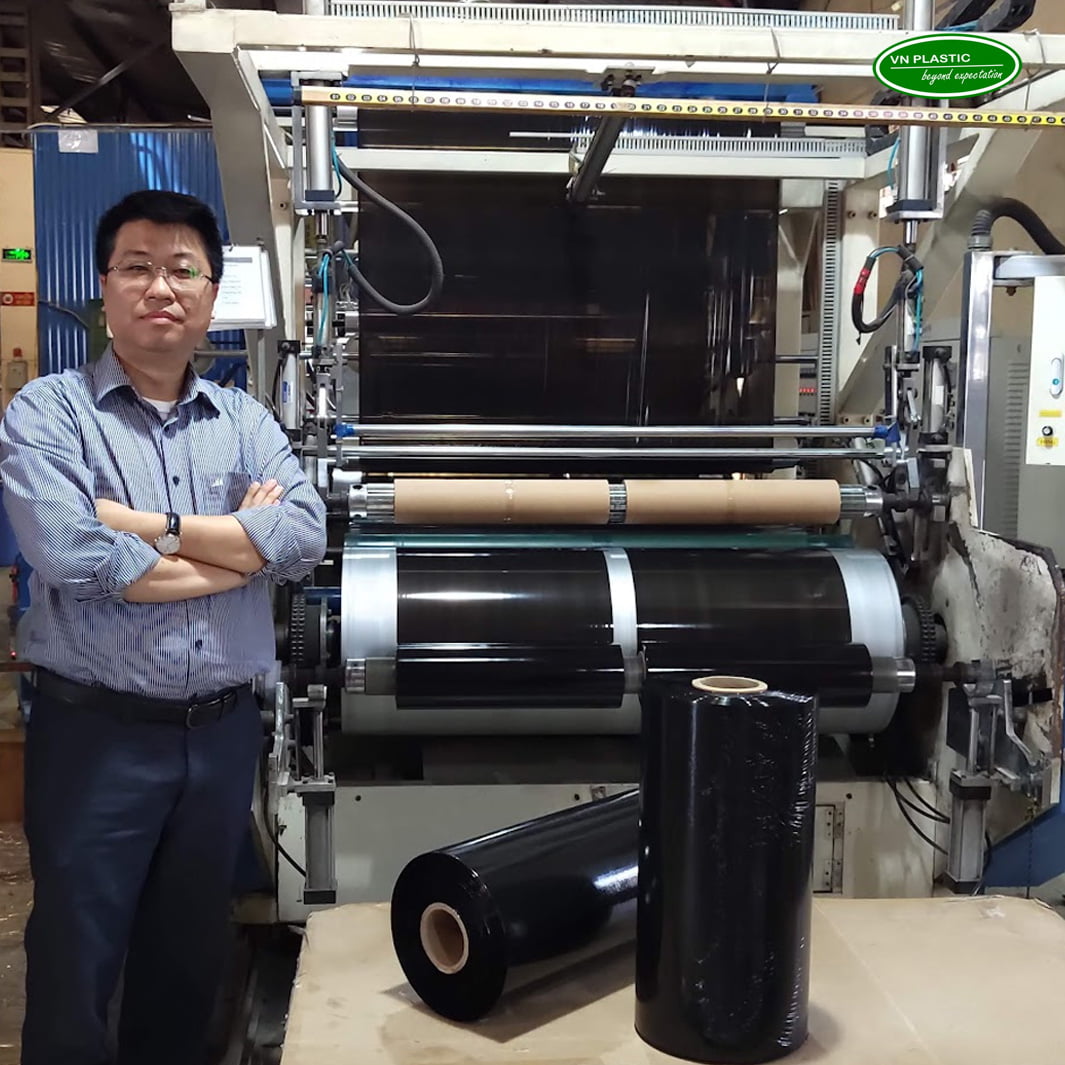
Best factory produces PE Stretch Film Vietnam
Currently, Vn Plastic is the best factory produces PE Stretch Film in Vietnam specialized in EU market. If you want to receive a free sample, please contact Vn Plastic immediately for support and advice here: https://vnplast.com/contact
Or for instant support, please Whatsapp us: +84-903-284-939.
VN Plastic Co., Ltd is one of Vietnam’s leading manufacturers of plastic packaging products. We specialize in producing high-quality supermarket bags (T-shirt bags), roll bags, household trash bags, food-grade packaging, and stretch film for pallet wrapping — all serving the retail, consumer, foodservice, and logistics sectors. With a strong commitment to sustainable development and long-term partnerships, VN Plastic continuously invests in advanced technologies and optimizes our operations to meet the growing demands of global markets.
We offer key advantages that help streamline supply chains and provide flexibility for a wide range of international orders:
Strategic location
Our factory is located near Hai Phong Port – the largest seaport in Northern Vietnam – ensuring shorter lead times and reduced logistics costs.
Modern production capacity
Equipped with automated lines and a monthly capacity of over 1,000 tons, our production process is backed by strict quality control systems meeting global standards.
International certifications
Our products are certified to meet key global standards, including ISO 9001, UNE, BPI, and Compostable, offering reassurance to partners seeking compliance, safety, and sustainability.
Eco-industrial park facility
Our factory operates in Vietnam’s first Eco-Industrial Park, where sustainable manufacturing and environmental protection are core principles.
Experienced international sales team
With over 20 years of experience in international trade, our sales team understands the dynamics of global markets and is always ready to update and forecast sea freight trends to help customers plan ahead and manage import costs effectively.
Flexible order quantities
We welcome bespoke packaging orders and can accommodate minimum quantities from just 50,000 units — or even less, depending on customer needs and market trials.
Technical planning checklist
A useful technical review starts with actual operating conditions. Record dimensions, expected loads, temperature ranges, storage time and handling methods before approving a specification.
Tolerance limits should be measurable and agreed in writing. Clear acceptance criteria help production and purchasing teams evaluate samples consistently and resolve exceptions quickly.
Artwork approval needs a controlled proof that identifies colors, orientation, readable areas and required marks. Version control prevents an outdated design from entering production.
Sampling should represent normal production conditions. The review can include visual checks, dimensional measurements, seal assessment and an application trial using realistic loads.
Packing configuration affects storage space, handling efficiency and freight planning. Confirm unit counts, carton dimensions, pallet patterns, labels and protection against moisture or damage.
Lead-time planning should separate material preparation, manufacturing, inspection and transport. Adding a practical contingency helps buyers manage launches and seasonal demand reliably.
Quality documentation may include approved specifications, inspection records and traceability details. The appropriate level depends on application risk and destination requirements.
Commercial comparison is most useful when quotations use the same assumptions. Check dimensions, tolerances, packing quantities, delivery terms and testing scope before comparing unit prices.
Storage and handling instructions should be shared with warehouse teams. Clean, dry conditions and sensible stock rotation help preserve performance until the goods are used.
For repeat orders, retain the approved sample and specification reference. A disciplined change-control process reduces variation when materials, artwork or operating conditions are revised.
Early technical communication usually prevents delays. Photos, drawings, equipment details and end-use expectations give the production team enough context to identify potential issues.
Final inspection should focus on the characteristics that matter in use. A concise checklist is more effective than broad requirements that cannot be measured consistently.
A useful technical review starts with actual operating conditions. Record dimensions, expected loads, temperature ranges, storage time and handling methods before approving a specification.
Tolerance limits should be measurable and agreed in writing. Clear acceptance criteria help production and purchasing teams evaluate samples consistently and resolve exceptions quickly.
Artwork approval needs a controlled proof that identifies colors, orientation, readable areas and required marks. Version control prevents an outdated design from entering production.
Sampling should represent normal production conditions. The review can include visual checks, dimensional measurements, seal assessment and an application trial using realistic loads.
Packing configuration affects storage space, handling efficiency and freight planning. Confirm unit counts, carton dimensions, pallet patterns, labels and protection against moisture or damage.
Lead-time planning should separate material preparation, manufacturing, inspection and transport. Adding a practical contingency helps buyers manage launches and seasonal demand reliably.
Quality documentation may include approved specifications, inspection records and traceability details. The appropriate level depends on application risk and destination requirements.
Commercial comparison is most useful when quotations use the same assumptions. Check dimensions, tolerances, packing quantities, delivery terms and testing scope before comparing unit prices.
Storage and handling instructions should be shared with warehouse teams. Clean, dry conditions and sensible stock rotation help preserve performance until the goods are used.
For repeat orders, retain the approved sample and specification reference. A disciplined change-control process reduces variation when materials, artwork or operating conditions are revised.
Early technical communication usually prevents delays. Photos, drawings, equipment details and end-use expectations give the production team enough context to identify potential issues.
Final inspection should focus on the characteristics that matter in use. A concise checklist is more effective than broad requirements that cannot be measured consistently.
A useful technical review starts with actual operating conditions. Record dimensions, expected loads, temperature ranges, storage time and handling methods before approving a specification.
Table of Contents
stretch film vietnam supplier: practical overview
Ask for a representative stretch film vietnam supplier sample when testing a new application.
Document the approved stretch film vietnam supplier requirements for repeat orders.
Compare stretch film vietnam supplier options using total application cost, not unit price alone.
stretch film vietnam supplier specifications should always be confirmed before mass production.
Ask for a representative stretch film vietnam supplier sample when testing a new application.
Document the approved stretch film vietnam supplier requirements for repeat orders.
Compare stretch film vietnam supplier options using total application cost, not unit price alone.
stretch film vietnam supplier specifications should always be confirmed before mass production.
Ask for a representative stretch film vietnam supplier sample when testing a new application.

Sourcing and support
Explore VN Plastic packaging products, review independent information from an authoritative environmental resource, or contact VN Plastic for a tailored specification and quotation.