In an era defined by convenience, efficiency, and the imperative for preservation, resealable plastic bags have emerged as a cornerstone of daily life. From the bustling kitchens of homes to the sophisticated packaging lines of industries, these versatile containers offer an unparalleled combination of utility, protection, and reusability. Far more than simple storage solutions, resealable plastic bags provide critical barriers against moisture, air, and contaminants, extending the lifespan of perishables, organizing clutter, and safeguarding valuable items. Their intuitive design and robust construction have made them an essential tool for anyone seeking to maintain order, freshness, and security in a fast-paced world. This comprehensive exploration delves into the diverse types, myriad benefits, and widespread applications that underscore the enduring significance of resealable plastic bags.
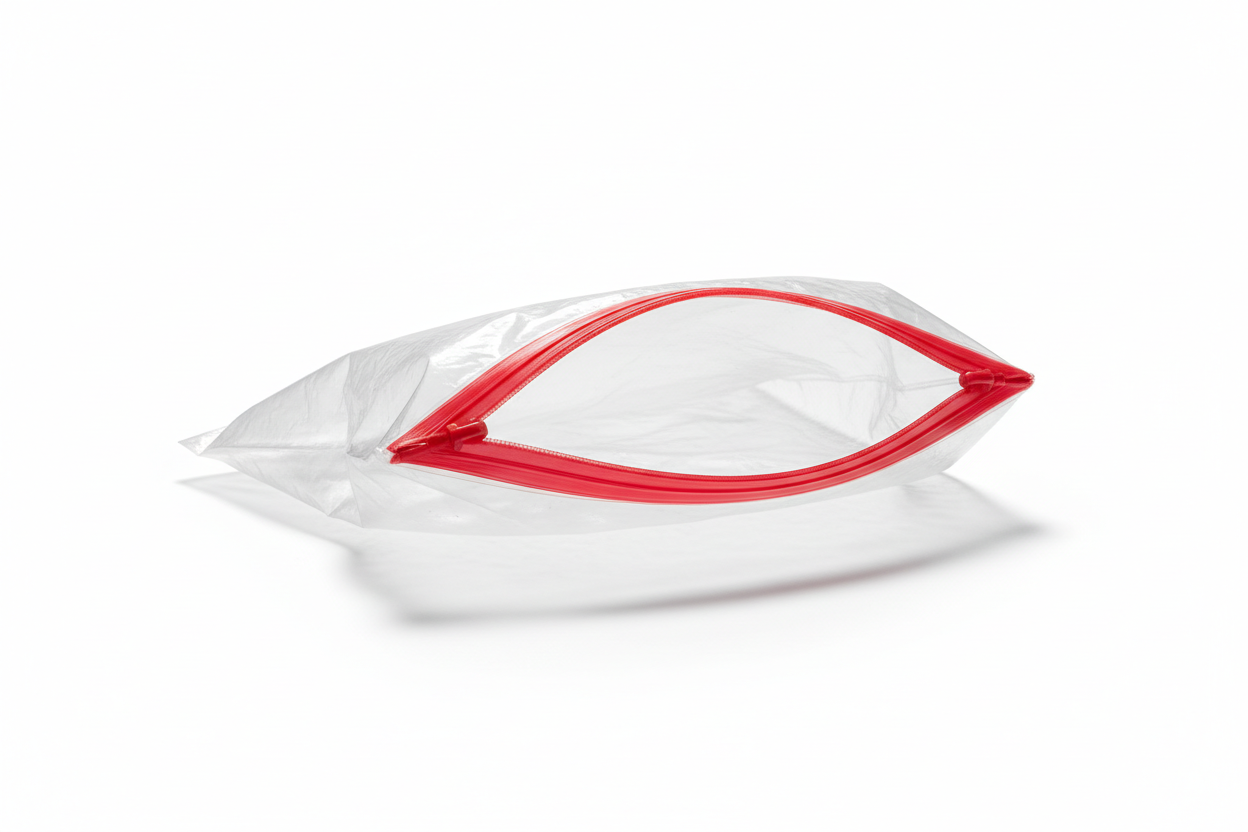
A clear, empty resealable plastic bag with a prominent red zipper closure, partially open, against a clean white background, highlighting i…
Exploring the Diverse Types of Resealable Plastic Bags
The market for resealable plastic bags is rich with variety, each type designed to meet specific needs and applications. Understanding these distinctions is crucial for selecting the most effective solution.
- Zipper-Closure Resealable Plastic Bags: These are perhaps the most common and recognizable type. They feature an interlocking plastic track that creates a secure, airtight seal when pressed together.
- Press-to-Close (Zipper-Style): Characterized by two ridges that snap together, forming a tight seal. Often found in household food storage.
- Slider Zipper Bags: Equipped with a small plastic slider that glides along the interlocking tracks, making it easier to open and close, especially for larger bags or those with frequent access.
- Vacuum Seal Resealable Plastic Bags: Designed to work with vacuum sealing machines, these bags remove air from around the contents, creating an oxygen-free environment that significantly extends the shelf life of food items and protects non-food items from oxidation and moisture.
- Heat Seal Resealable Plastic Bags: While initially sealed with heat, many of these bags incorporate a tear-notch and a secondary resealable zipper or adhesive strip, offering tamper-evidence upon first opening and reusability thereafter.
- Adhesive-Strip Resealable Plastic Bags: Common in retail and mailing, these bags feature a peel-and-seal adhesive strip that can be folded over to create a closure. Some designs allow for multiple re-adhesions.
- Stand-Up Pouches with Resealable Zippers: Often used for snacks, pet food, or powdered goods, these pouches have a gusseted bottom that allows them to stand upright on shelves, combined with a resealable zipper for consumer convenience.
Materials and Construction of Resealable Plastic Bags
The performance of resealable plastic bags is heavily dependent on the materials used in their construction. Different polymers offer varying degrees of flexibility, strength, clarity, and barrier properties.
- Low-Density Polyethylene (LDPE): The most common material for flexible plastic bags, including many resealable varieties. LDPE is known for its flexibility, clarity, and good moisture barrier properties. It’s safe for food contact and widely recyclable in many areas.
- High-Density Polyethylene (HDPE): Stronger and more opaque than LDPE, HDPE is used for bags requiring more rigidity and puncture resistance, though less common for transparent resealable bags.
- Polypropylene (PP): Offers excellent clarity, a higher melting point, and a superior barrier against moisture and chemicals compared to LDPE. Often used for packaging items that require a crisp, clear presentation or heat resistance.
- Nylon (Polyamide): Frequently co-extruded with other plastics, nylon provides exceptional strength, puncture resistance, and an excellent oxygen barrier, crucial for vacuum seal bags.
- Multi-Layer Films: Many high-performance resealable plastic bags are made from multiple layers of different plastics (e.g., LDPE, nylon, EVOH) to combine their best properties, such as strength, oxygen barrier, and sealability.
Key Benefits of Utilizing Resealable Plastic Bags
The widespread adoption of resealable plastic bags is a testament to their numerous practical advantages across various domains.
- Superior Preservation: The primary benefit, especially for food items. By creating an airtight or near-airtight seal, these bags minimize exposure to oxygen, moisture, and contaminants, significantly slowing down spoilage, preventing freezer burn, and maintaining freshness. This reduces food waste and saves money.
- Exceptional Organization: Resealable plastic bags are invaluable for organizing a multitude of items. From small craft supplies and hardware components to travel toiletries and documents, they help categorize, contain, and protect, making storage areas tidier and items easier to find.
- Effective Protection: They act as a physical barrier against dust, dirt, spills, and moisture, safeguarding contents from damage. This is particularly important for electronics, sensitive documents, and items stored in less-than-ideal conditions.
- Enhanced Portability: Lightweight and flexible, these bags make it easy to transport items without fear of leakage or disarray. They are ideal for packing lunches, snacks, travel essentials, and small personal items.
- Cost-Effectiveness: Compared to rigid containers, resealable plastic bags are generally more economical to purchase, store, and transport, offering significant savings for both consumers and businesses.
- Versatile Reusability: Many high-quality resealable plastic bags are designed for multiple uses. When cleaned properly, they can be reused for various purposes, contributing to sustainability and further cost savings.
- Visibility and Accessibility: The transparency of most resealable plastic bags allows for quick identification of contents without needing to open the bag, streamlining access and inventory management.
Common Applications of Resealable Plastic Bags Across Industries
The utility of resealable plastic bags extends far beyond the kitchen, impacting numerous sectors and daily routines.
Food Storage and Preparation
- Freezing and Refrigeration: Essential for storing meats, vegetables, fruits, and prepared meals, protecting them from freezer burn and maintaining quality.
- Pantry Organization: Keeping dry goods like pasta, rice, cereals, and snacks fresh and protected from pests.
- Meal Prepping: Dividing ingredients or pre-portioned meals for convenient future use.
- Sous Vide Cooking: Specific types of vacuum-sealable or heat-resistant resealable plastic bags are used for precise water bath cooking.
- Lunch Packing: Securing sandwiches, fruits, and snacks for school or work.
Household and Personal Organization
- Craft Supplies: Storing beads, buttons, yarn, fabric scraps, and art materials.
- Hardware and Tools: Organizing nails, screws, washers, small parts, and delicate tools.
- Travel Essentials: Containing toiletries, medications, jewelry, and documents to prevent spills and keep luggage organized.
- Seasonal Storage: Protecting holiday decorations, seasonal clothing, or linens from dust and moisture.
- Document Protection: Safeguarding important papers, photos, and certificates from damage.
Retail, Commercial, and Industrial Uses
- Product Packaging: Many small retail items, from jewelry and electronics accessories to stationery and apparel, are packaged in resealable plastic bags for protection and presentation.
- Sampling and Promotions: Distributing product samples or promotional materials.
- Medical and Pharmaceutical: Packaging sterile medical devices, lab samples, and pharmaceutical components (often requiring specialized materials and certifications).
- Automotive and Electronics: Protecting sensitive components, spare parts, and manuals from dust and static.
- Agricultural Applications: Storing seeds, small plant starts, or soil samples.
Choosing the Right Resealable Plastic Bag
With such a wide array of options, making an informed choice about resealable plastic bags involves considering several factors:
- Intended Use: Will it store food, protect electronics, organize craft supplies, or package retail goods? This dictates required features like food-grade safety, static protection, or clarity.
- Size and Capacity: Bags come in myriad dimensions and thicknesses. Match the bag’s size to the volume and dimensions of the contents, ensuring there’s enough space for closure.
- Material and Thickness (Mil): Thicker bags (higher mil count) offer greater durability, puncture resistance, and barrier properties, ideal for heavy items or long-term storage. Thinner bags are suitable for lightweight items or short-term use.
- Closure Type: Zipper-closure bags are excellent for frequent access, while vacuum seal bags are superior for long-term food preservation. Adhesive strip bags are good for tamper-evident retail packaging.
- Special Features:
- Write-on Blocks: Convenient for labeling contents and dates.
- UV Protection: For items sensitive to light.
- Anti-Static Properties: Crucial for electronic components.
- Gusseted Bottoms: Allows bags to stand upright, useful for retail display or bulk storage.
- Microwave-Safe/Boil-Safe: For specific food preparation needs.
- Sustainability Considerations: Look for bags made from recycled content, those that are widely recyclable, or designed for maximum reusability.
Choosing the Right Resealable Plastic Bag
Sustainability and the Future of Resealable Plastic Bags
While resealable plastic bags offer undeniable advantages, their environmental impact is a growing concern. The industry is responding with innovations aimed at enhancing sustainability:
- Increased Reusability: Manufacturers are designing more durable bags that can withstand repeated washing and reuse, minimizing the need for single-use alternatives.
- Recyclable Materials: A push towards bags made from mono-materials (e.g., 100% LDPE) simplifies recycling processes, as mixed-material bags are often difficult to recycle.
- Recycled Content: Incorporating Post-Consumer Recycled (PCR) content into new bags reduces reliance on virgin plastics.
- Biodegradable and Compostable Options: While still a niche market, advancements are being made in plant-based plastics that can biodegrade or compost under specific conditions, offering end-of-life solutions that reduce landfill waste.
- Lightweighting: Reducing the amount of plastic used in each bag while maintaining performance.
The future of resealable plastic bags will likely see a continued evolution towards more sustainable materials and manufacturing practices, balancing convenience with environmental responsibility. Consumer awareness and proper disposal or reuse practices will also play a critical role in mitigating their impact.
Conclusion: The Enduring Value of Resealable Plastic Bags
From their humble beginnings as simple storage solutions, resealable plastic bags have evolved into indispensable tools that underpin organization, preservation, and protection across countless applications. Their versatility, combined with continuous innovation in materials and design, ensures their prominent role in homes, businesses, and industries worldwide. Whether safeguarding the freshness of food, organizing intricate components, or simplifying travel, the benefits offered by resealable plastic bags are profound and far-reaching. As the demand for convenience and efficiency continues to grow, coupled with an increasing focus on sustainability, these adaptable containers will undoubtedly continue to evolve, offering even more sophisticated and environmentally conscious solutions for the challenges of modern life.