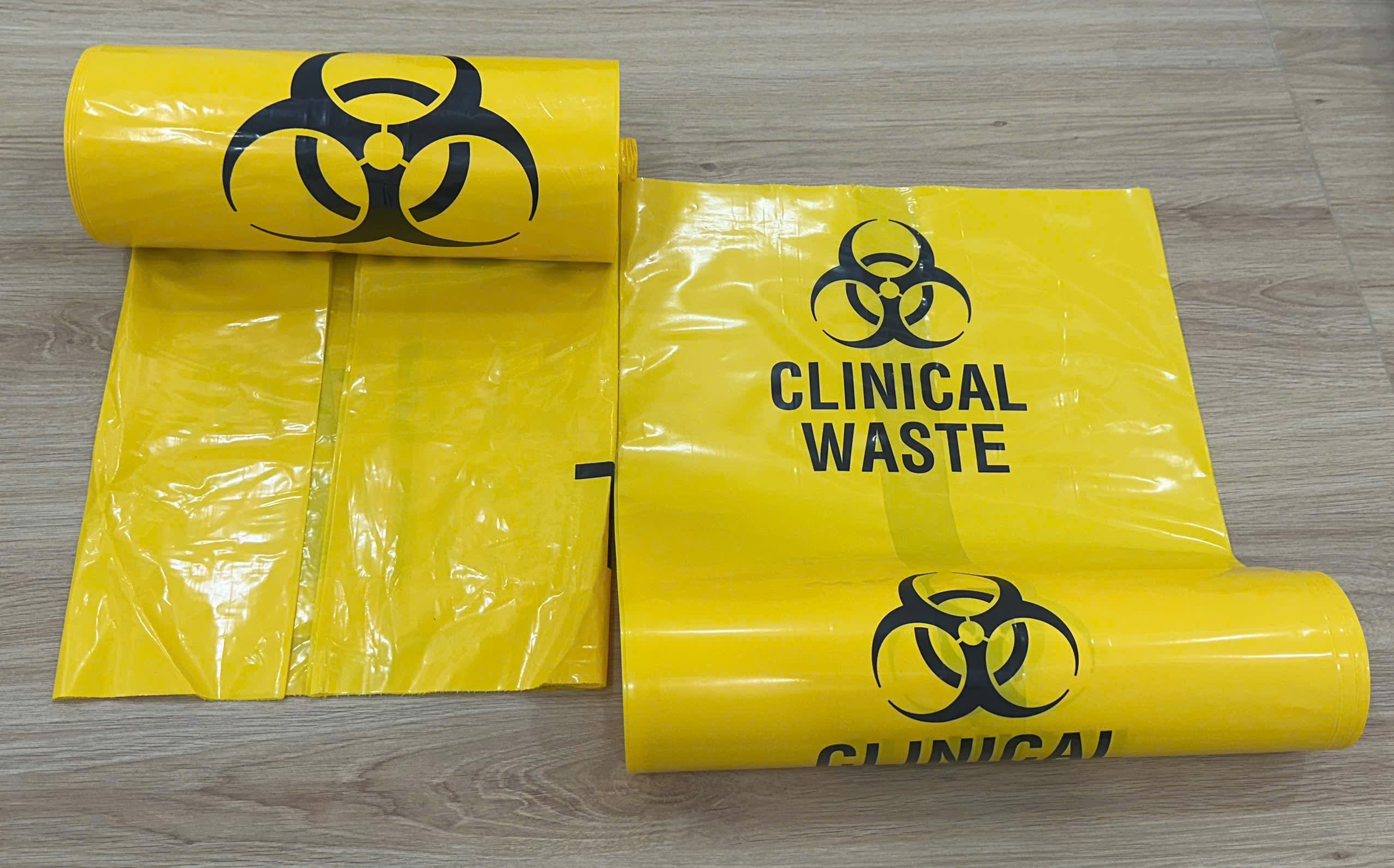
Businesses and consumers alike are searching for a sustainable alternative to conventional plastic bags. A biodegradable plastic bag is designed to break down naturally under specific conditions, reducing litter and landfill volume while still offering the convenience of traditional bags. This guide explains how biodegradable bags work, their environmental advantages, key decision factors, and real‑world use cases so you can make an informed purchase for your operation or household.
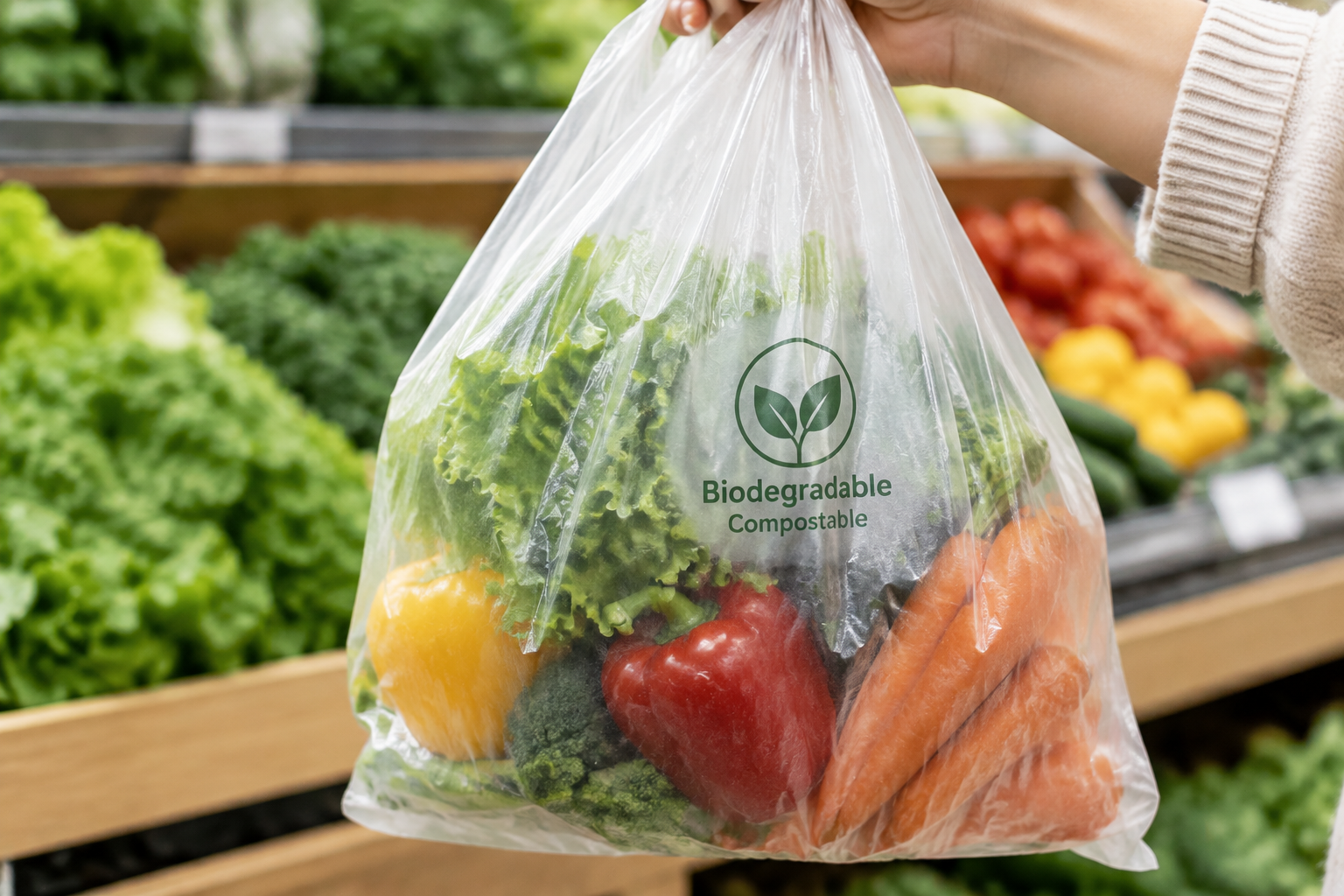
Close‑up view of a clear biodegradable plastic bag filled with fresh produce, showing the bag’s texture and compostable label in a grocery …
What Is a Biodegradable Plastic Bag?
Biodegradable plastic bags are made from polymers that can be decomposed by microorganisms, heat, or exposure to oxygen. Unlike standard polyethylene bags, which persist for centuries, these bags transform into carbon dioxide, water, and biomass within months when disposed of correctly.
How It Works – Compostable vs. Oxo‑Degradable
- Compostable bags meet ASTM D6400 or EN 13432 standards, meaning they fully break down in industrial composting facilities within 90 days.
- Oxo‑degradable bags contain additives that cause the polymer chain to fragment under UV light and heat, after which microorganisms finish the degradation process. Their breakdown time can vary widely.
Key Benefits Over Traditional Plastic Bags
- Reduced landfill impact: Biodegradable bags decompose faster, lowering long‑term waste accumulation.
- Lower carbon footprint: Production often uses renewable resources such as cornstarch or sugarcane.
- Regulatory compliance: Many regions now require single‑use plastics to meet biodegradability criteria.
- Brand perception: Using eco‑friendly packaging signals corporate responsibility to customers.
- Versatility: Available in formats ranging from thin grocery bags to heavy‑duty refuse sack plastic bag for industrial waste.
Decision Checklist for Selecting the Right Biodegradable Bag
Use this checklist to match product specifications with your operational needs:
- Intended use: Food plastic bag, hazardous plastic garbage bag, Hand Stretch Film, or Die Cut Bag Plastic?
- Load capacity: Determine required tensile strength – e.g., Block Header Plastic Bag for heavy loads.
- Degradation environment: Will the bag be composted, landfilled, or exposed to sunlight?
- Certification: Look for ASTM D6400, EN 13432, or ISO 17088 compliance.
- Cost per unit: Compare against standard plastic bag pricing and factor in potential waste‑management savings.
- Supplier reliability: Choose manufacturers with proven track records, such as VNPLAST.
Real‑World Applications and Product Comparisons
Below is a side‑by‑side comparison of common biodegradable bag types used in different sectors. This helps you decide which product aligns with your workflow.
| Product | Typical Thickness | Best Use Case | Degradation Time (Industrial Compost) |
|---|---|---|---|
| Food Plastic Bag (PLA) | 30‑50 µm | Fresh produce, bakery items | 45‑60 days |
| Refuse Sack Plastic (Oxo‑degradable) | 80‑120 µm | Household waste, small commercial bins | 6‑12 months |
| Hazardous Plastic Garbage (Composite) | 120‑150 µm | Medical waste, chemical containers | 90‑120 days (compost) |
| Hand Stretch Film (Bioplastic) | 15‑25 µm | Pallet wrapping, lightweight goods | 30‑45 days |
| Die Cut Bag Plastic (Custom) | 40‑70 µm | Retail packaging, promotional giveaways | 60‑90 days |
For businesses that need a sturdy solution for heavy waste, the Block Header Plastic Bag offers reinforced seams while still being compostable. Meanwhile, the Handle Wrap Tool Plastic Bag provides ergonomic handles for retail environments without sacrificing biodegradability.
Environmental Impact and Compliance
When evaluating a biodegradable plastic bag, consider the full lifecycle:
- Raw material sourcing: Plant‑based polymers reduce reliance on fossil fuels.
- Manufacturing emissions: Look for suppliers that use renewable energy.
- End‑of‑life pathways: Verify that local waste‑management facilities accept the specific bag type.
- Regulatory standards: The EU Single‑Use Plastics Directive and several Asian jurisdictions now mandate biodegradable options for certain applications.
VNPLAST’s product line adheres to both local and international standards, ensuring that each bag—whether a Garbage Plastic Bag for municipal collection or a Food Plastic Bag for supermarkets—meets the required degradation performance.
Frequently Asked Questions
- Do biodegradable bags decompose in a home compost bin? Most certified compostable bags need industrial composting conditions (high temperature, controlled humidity). Home compost may take significantly longer or not achieve full degradation.
- Can biodegradable bags be recycled? Generally, they should not be mixed with conventional recycling streams because they can contaminate the process. Check with your local recycler for specific guidance.
- Are biodegradable bags stronger than regular plastic bags? Strength varies by formulation. High‑tear options like the Block Header Plastic Bag are engineered to match or exceed the tensile strength of standard polyethylene bags.
- What happens if a biodegradable bag ends up in the ocean? While they break down faster than conventional plastics, marine degradation is still slow. Proper disposal in designated facilities remains the best practice.
- How can I verify a bag’s biodegradability claim? Look for third‑party certification logos (e.g., OK Compost, Seedling) and request the supplier’s test reports.
Conclusion
Choosing the right biodegradable plastic bag involves balancing performance, environmental goals, and regulatory compliance. By using the checklist, comparing product specifications, and understanding end‑of‑life options, you can select a solution that meets your operational demands while reducing ecological impact. Partner with reputable manufacturers like VNPLAST to ensure quality, certification, and reliable supply for applications ranging from grocery packaging to hazardous waste containment.