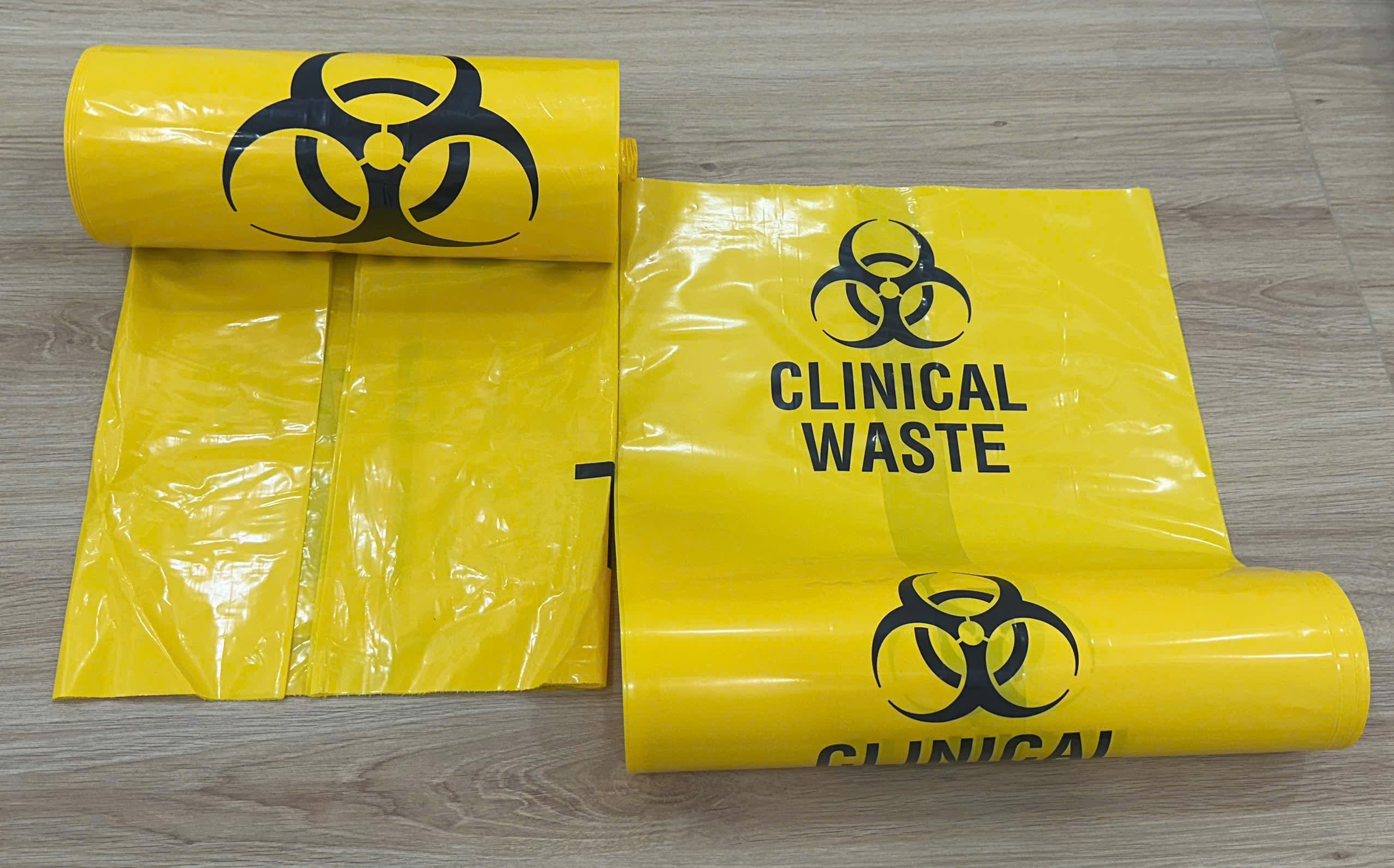
When you search for die cut bag sizes, you expect a clear answer on the dimensions, material options, and how to match them to your specific needs. Die cut bags are pre‑shaped plastic containers that eliminate the need for on‑site cutting, offering consistent size, strength, and finish. Typical sizes range from small 10 × 15 cm sachets for retail samples to large 100 × 150 cm refuse sacks for industrial waste. Selecting the proper size depends on the product volume, handling method, and regulatory requirements. This guide explains the most common dimensions, how to read size specifications, and the decision factors that ensure you choose the perfect bag for your operation.
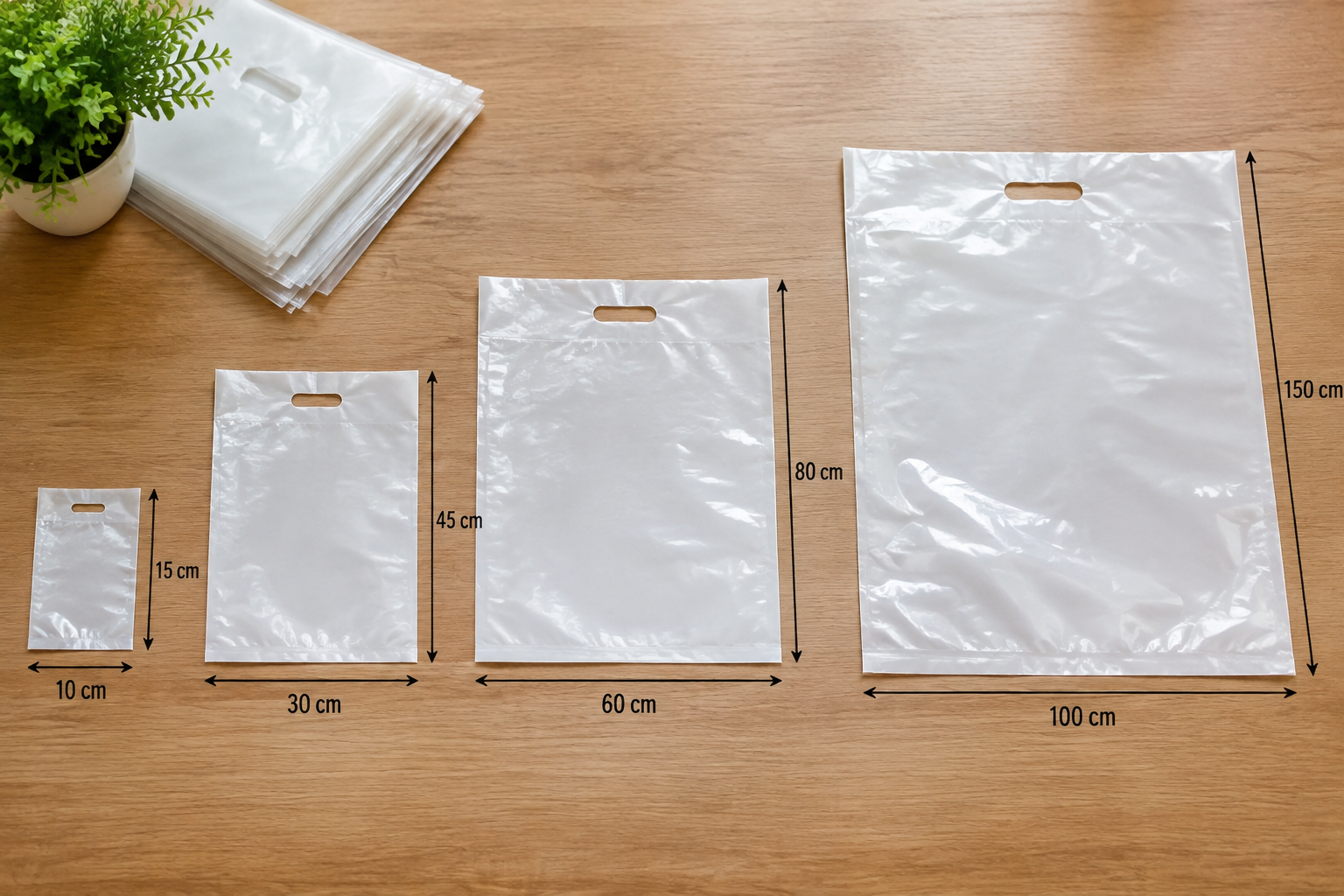
close‑up of a stack of various die cut plastic bags laid out on a table, showing distinct sizes such as 10×15 cm, 30×45 cm, 60×80 cm, and 1…
Understanding Die Cut Bag Size Terminology
Manufacturers label die cut bag sizes using a few standard conventions. Knowing these terms helps you compare products across suppliers.
- Length × Width (L × W): The flat dimensions before the bag is formed.
- Depth or Height: The vertical measurement after the bag is sealed; often inferred from material thickness and die cut design.
- Gusset Size: The expanded width of the side panels, critical for capacity.
- Thickness (µm): Determines durability; common gauges are 30 µm for lightweight food bags and 120 µm for hazardous waste bags.
Common Die Cut Bag Size Categories
1. Small Retail and Sample Bags (10 × 15 cm – 30 × 45 cm)
Ideal for Food Plastic Bag applications, promotional samples, or small hardware accessories. These bags typically feature a thin gauge (30–50 µm) and a simple seal.
2. Medium‑Scale Packaging (40 × 60 cm – 80 × 120 cm)
Used for Hand Stretch Film packaging, bulk food items, and non‑hazardous waste. Thickness ranges from 70–100 µm, offering a balance between strength and cost.
3. Large Industrial and Waste Bags (90 × 130 cm – 120 × 180 cm)
Designed for Garbage Plastic Bag, Hazardous Plastic Garbage, and refuse sack applications. These often require 120–200 µm thickness and reinforced handles.
Key Factors When Selecting Die Cut Bag Sizes
Choosing the right size is more than matching dimensions. Consider the following decision matrix:
| Factor | Impact on Size Choice |
|---|---|
| Product Volume | Higher volume → larger gusset and overall dimensions. |
| Material Weight | Heavier items need thicker gauge and reinforced seams. |
| Handling Method | Hand‑carried bags require sturdy handles; machine‑fed bags need uniform edges. |
| Regulatory Requirements | Hazardous waste may mandate minimum thickness and specific size limits. |
| Storage Space | Compact sizes reduce warehouse footprint but may increase handling steps. |
Checklist: Selecting the Perfect Die Cut Bag Size
- Measure the product in its packed state (length, width, height).
- Calculate required capacity (volume = L × W × Depth).
- Determine handling requirements – does the bag need a hand‑hold, a tie‑off, or a seal?
- Match material thickness to product weight and regulatory standards.
- Confirm compatibility with existing equipment (e.g., stretch film dispensers).
- Request a sample of the exact size and gauge before bulk ordering.
Real‑World Use Cases for Different Die Cut Bag Sizes
Understanding how businesses apply specific sizes can guide your decision.
- Food Processing Plant: Uses 60 × 80 cm, 100 µm bags with a reinforced top edge for bulk grain storage.
- Electronic Component Distributor: Chooses 30 × 45 cm, 40 µm anti‑static bags for delicate circuit boards.
- Construction Site: Deploys 100 × 150 cm, 150 µm hazardous waste bags with double‑seal for chemical disposal.
- Retail Chain: Implements 20 × 30 cm, 30 µm clear bags for fresh produce, featuring a perforated tear strip.
Comparing Die Cut Bags to Custom‑Cut Alternatives
While custom‑cut sheets offer flexibility, die cut bags provide speed and consistency. Below is a quick pros‑cons comparison:
- Die Cut Bags
- Pros: Immediate use, uniform dimensions, reduced labor, lower waste.
- Cons: Limited to manufacturer‑offered sizes, higher per‑unit cost for small runs.
- Custom‑Cut Sheets
- Pros: Fully tailored dimensions, cost‑effective for large volumes.
- Cons: Requires on‑site cutting equipment, higher setup time, potential for size variance.
How to Order Die Cut Bags from VNPLAST
VNPLAST offers a comprehensive catalog of Die Cut Bag Plastic products, including recycled options and specialty bags for hazardous waste. To place an order:
- Visit the VNPLAST homepage and navigate to the “Die Cut Bag” category.
- Select the desired size, gauge, and optional features (e.g., handles, tie‑off).
- Use the built‑in size calculator to verify capacity against your product dimensions.
- Submit a request for a physical sample if you need to validate fit and strength.
- Confirm delivery schedule and any recycling certifications required for your operation.
Frequently Asked Questions
What is the standard thickness for a waste‑grade die cut bag?
Industrial waste bags typically use 120 µm to 200 µm thickness, providing puncture resistance and compliance with hazardous material regulations.
Can I order die cut bags in custom dimensions?
VNPLAST offers a limited range of custom sizes for large orders. Contact sales to discuss minimum order quantities and tooling costs.
How do I determine the correct gusset size?
Measure the maximum width of the product when packed and add 10‑15 % for expansion. The gusset should accommodate this width without overstretching.
Are recycled plastic die cut bags as strong as virgin material?
High‑quality recycled bags can match virgin grades when produced with a minimum of 100 µm thickness and reinforced seams. Verify the recycled content percentage and testing certifications.
Do die cut bags require special sealing equipment?
Most VNPLAST die cut bags feature a pre‑sealed top edge, but larger industrial bags may need a heat sealer or impulse sealer for a secure closure.
Conclusion
Choosing the right die cut bag sizes hinges on understanding product dimensions, handling requirements, and regulatory standards. By following the checklist, comparing pros and cons, and leveraging VNPLAST’s extensive catalog, you can select bags that optimize performance, reduce waste, and streamline your packaging process. Remember to request samples, verify thickness, and confirm that the chosen size aligns with both your operational workflow and compliance obligations.