When you search for a reliable plastic bag liner roll 12mm, you need clear answers fast. This article explains exactly what a 12 mm liner roll is, why its thickness matters, and how it outperforms thinner alternatives in durability, safety, and cost‑effectiveness. Whether you manage waste collection, hazardous material handling, or food packaging, the right liner roll can reduce spills, protect the environment, and streamline operations.
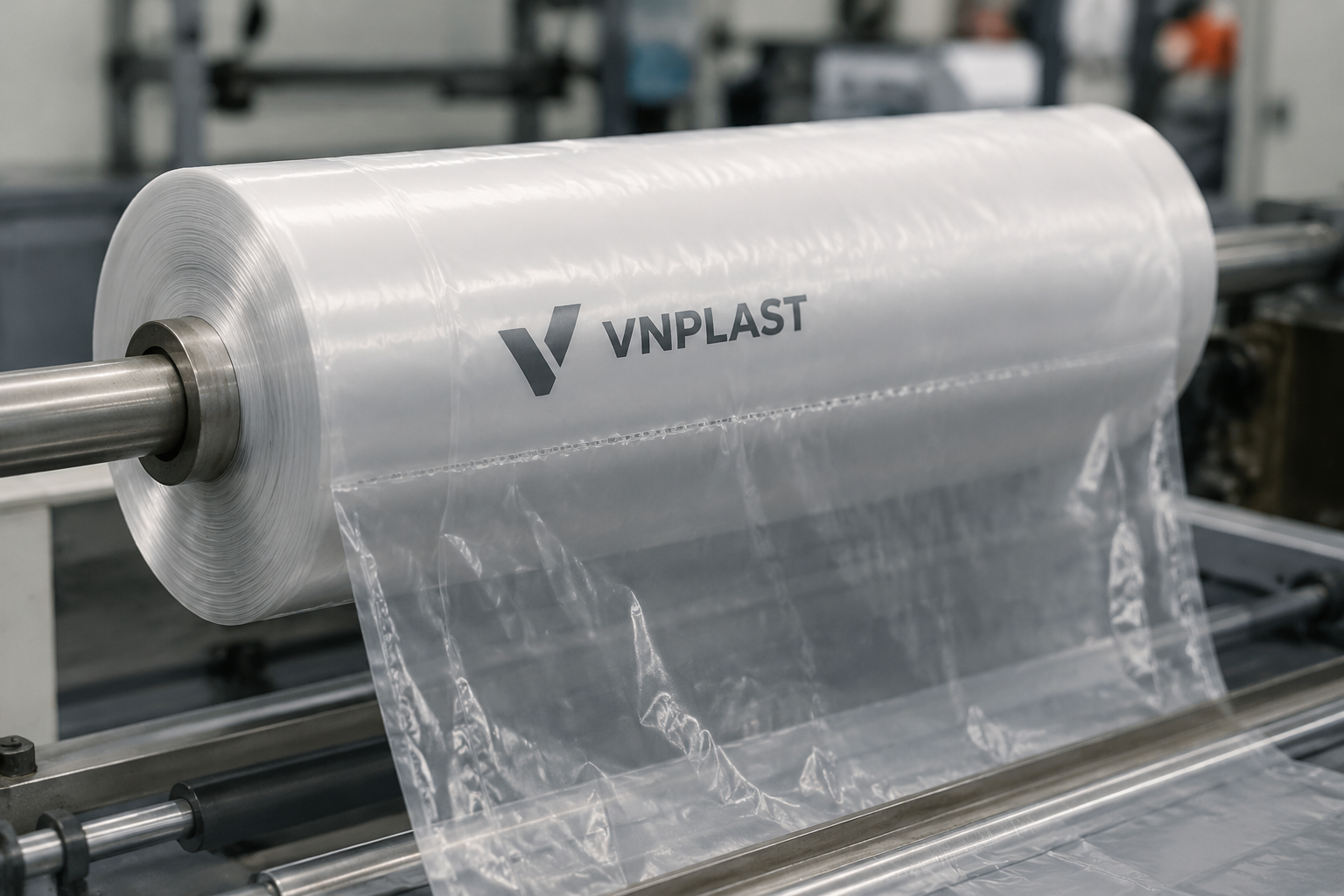
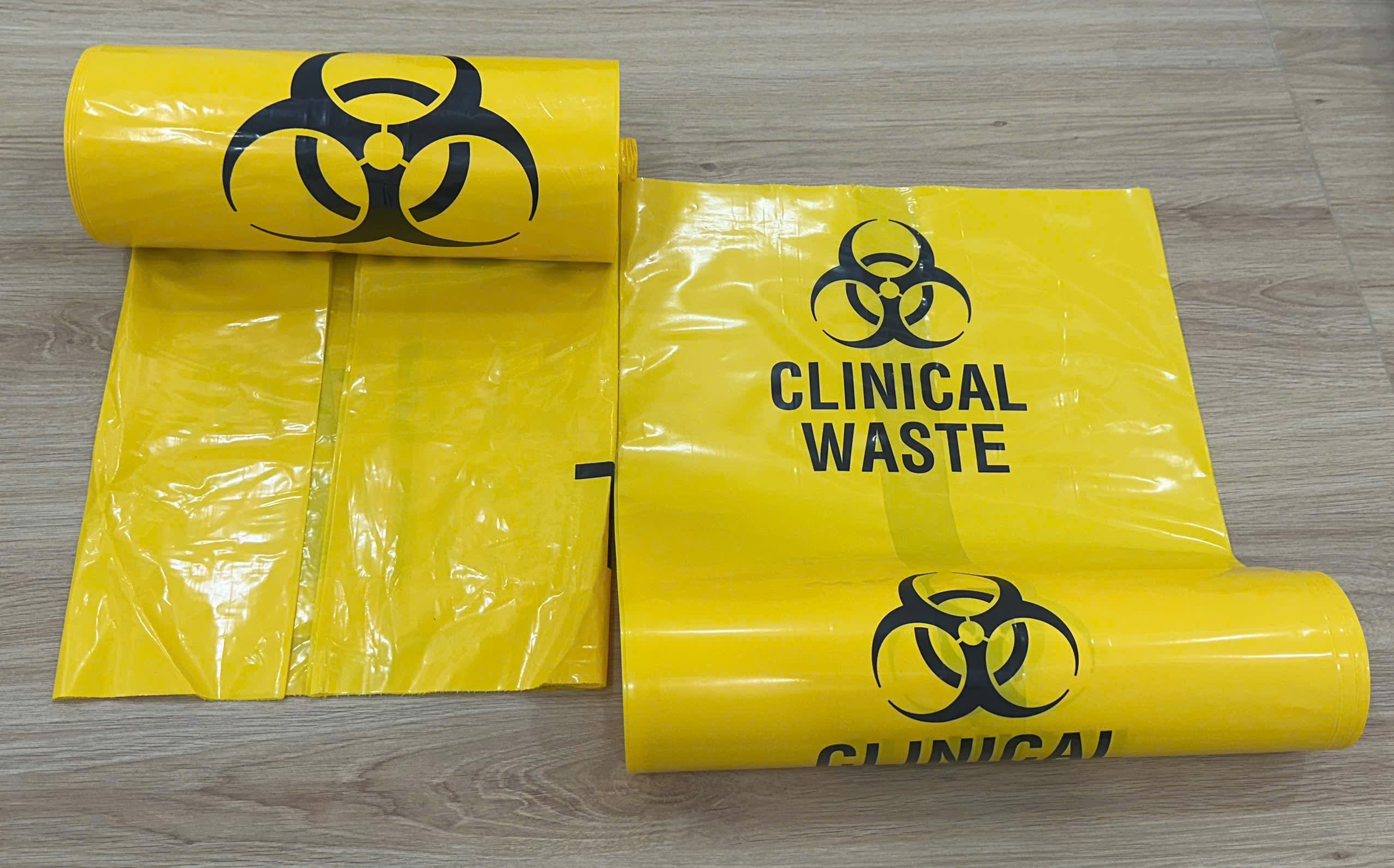
Close‑up of a 12 mm thick clear plastic bag liner roll on a metal spindle, showing the smooth surface, perforated tear line, and printed VN…
What Is a Plastic Bag Liner Roll 12mm?
A plastic bag liner roll 12mm is a continuous sheet of high‑density polyethylene (HDPE) or low‑density polyethylene (LDPE) wound on a core, designed to be cut into bags or used as a continuous liner. The 12 mm thickness provides a balance between flexibility and puncture resistance, making it ideal for heavy‑duty applications such as refuse sacks, hazardous waste containment, and industrial food storage.
Key Specifications
- Thickness: 12 mm (0.47 in)
- Material: HDPE, LDPE, or linear low‑density polyethylene (LLDPE)
- Width: 1 m – 2 m (customizable)
- Core Size: 76 mm or 100 mm
- Color Options: Clear, black, blue, or custom printing
- Load Capacity: Up to 30 kg per square meter, depending on material grade
Materials and Construction
The roll is typically extruded using a blown‑film process, which aligns polymer chains for superior tensile strength. Some versions incorporate UV inhibitors, anti‑static agents, or food‑grade certifications to meet specific regulatory requirements. VNPLAST offers both recycled‑content options and virgin‑polymer rolls, allowing you to choose a solution that aligns with sustainability goals.
Benefits of Using a 12mm Liner Roll
Strength and Puncture Resistance
At 12 mm, the liner can withstand sharp edges, heavy loads, and abrasive materials without tearing. This reduces the risk of leaks, which is critical when handling hazardous chemicals or moist waste.
Versatility Across Industries
Because of its robustness, the 12 mm roll is used in:
- Refuse sack plastic bags for municipal waste collection
- Hazardous plastic garbage bags for chemical plants
- Food plastic bags for bulk produce and meat processing
- Block header plastic bags for construction debris
- Handle wrap tool plastic bags for machinery protection
Choosing the Right Liner Roll for Your Business
Before purchasing, evaluate the following factors to ensure the liner meets your operational needs.
- Load Requirements: Estimate the maximum weight per bag; heavier loads may need reinforced seams.
- Environmental Conditions: UV exposure, temperature extremes, or chemical contact dictate material additives.
- Regulatory Compliance: Food‑grade liners must meet FDA or EU standards; hazardous waste liners need OSHA compliance.
- Recycling Goals: Opt for recycled‑content rolls if you aim to reduce carbon footprint.
- Customization: Printed branding or color coding can improve sorting efficiency.
Decision Checklist
- ✔️ Confirm required thickness (12 mm) meets load specifications.
- ✔️ Choose material grade (HDPE vs. LDPE) based on flexibility vs. rigidity.
- ✔️ Verify certifications (FDA, ISO 9001, REACH).
- ✔️ Assess core size compatibility with existing cutting equipment.
- ✔️ Determine need for color or printed branding for internal tracking.
- ✔️ Evaluate recycled content percentage for sustainability reporting.
Comparison: 12mm Liner Roll vs. Thinner Alternatives
Many suppliers offer 8 mm or 10 mm liners at a lower price point. However, the cost difference can be offset by reduced downtime and lower risk of spills.
- Pros of 12 mm:
- Higher puncture resistance
- Longer service life per bag
- Better suitability for hazardous waste
- Cons of 12 mm:
- Higher material cost per roll
- Heavier handling requirements
- Pros of 8‑10 mm:
- Lower upfront cost
- Easier to cut and handle for light‑weight applications
- Cons of 8‑10 mm:
- Increased risk of tears under heavy loads
- More frequent roll changes
Real-World Applications
Below are concrete scenarios where a plastic bag liner roll 12mm delivers measurable value.
Municipal Waste Collection
City sanitation departments use 12 mm liners for refuse sacks, reducing bag bursts during collection routes. The added strength also lowers the number of bags needed per pickup, cutting disposal costs.
Industrial Hazardous Waste
Plants handling solvents, acids, or oily residues rely on 12 mm liners to contain spills. The thickness meets most local environmental regulations for secondary containment.
Food Processing Facilities
Bulk storage of fresh produce or meat benefits from a 12 mm liner that resists puncture from frozen items and prevents cross‑contamination. Food‑grade versions are FDA‑approved and can be printed with lot numbers.
Construction Sites
Block header plastic bags made from 12 mm rolls protect demolition debris and prevent soil contamination. Their durability reduces the need for frequent bag replacements.
Installation and Handling Tips
Proper handling maximizes the lifespan of your liner roll and ensures safety.
- Unroll Carefully: Use a smooth surface and avoid dragging the roll over sharp edges.
- Cut with a Sharp Blade: A rotary cutter provides clean edges and reduces fraying.
- Seal Properly: For hazardous waste, heat‑seal or use twist ties to secure the bag.
- Store in a Cool, Dry Place: UV exposure can degrade polymer strength over time.
- Recycle When Possible: Collect used liners for recycling if they meet local guidelines.
Frequently Asked Questions
- What is the maximum weight a 12 mm plastic bag liner can hold? Typically up to 30 kg per square meter, but exact capacity depends on material grade and width.
- Can I get a custom printed design on the liner roll? Yes, VNPLAST offers full‑color printing for branding, safety warnings, or sorting codes.
- Is the 12 mm roll recyclable? When made from virgin HDPE or LDPE, it is recyclable in most municipal programs; recycled‑content rolls are also recyclable where facilities accept them.
- How does a 12 mm liner compare to a 12 mm Hand Stretch Film? Hand Stretch Film is designed for wrapping pallets, while a liner roll provides a sealed bag; both share similar material strength but serve different purposes.
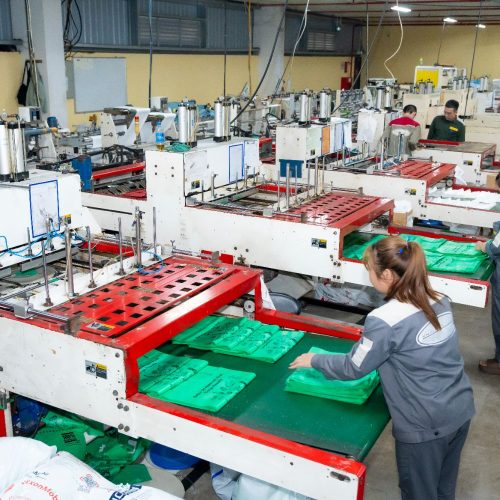
- Do I need special equipment to cut the roll? A standard rotary cutter or industrial bag-making machine works; ensure the blade is sharp to avoid tearing.
Conclusion
Choosing the right plastic bag liner roll 12mm can transform how you manage waste, protect products, and meet regulatory standards. By evaluating load requirements, material certifications, and sustainability goals, you can select a roll that minimizes downtime and maximizes safety. VNPLAST’s range of customizable, high‑quality 12 mm liners ensures you have a reliable solution for refuse sacks, hazardous garbage bags, food storage, and more. Invest in the proper thickness today to avoid costly leaks tomorrow.