When you search for trash bags, you expect clear guidance on which product will keep waste contained, resist tears, and fit your budget. This article answers that core query within the first 120 words, then dives deep into types, materials, sizing, and environmental considerations so you can make an informed purchase for home, office, or industrial use.
What Are the Main Types of Trash Bags?
Trash bags come in many configurations, each engineered for specific waste streams. Understanding these categories helps you avoid over‑paying for features you never use.
- Standard Refuse Sack Plastic Bags – General‑purpose bags for household garbage.
- Heavy‑Duty Garbage Plastic Bags – Thick, puncture‑resistant bags for construction debris or yard waste.
- Recycled Plastic Bags – Made from post‑consumer plastic, reducing landfill impact.
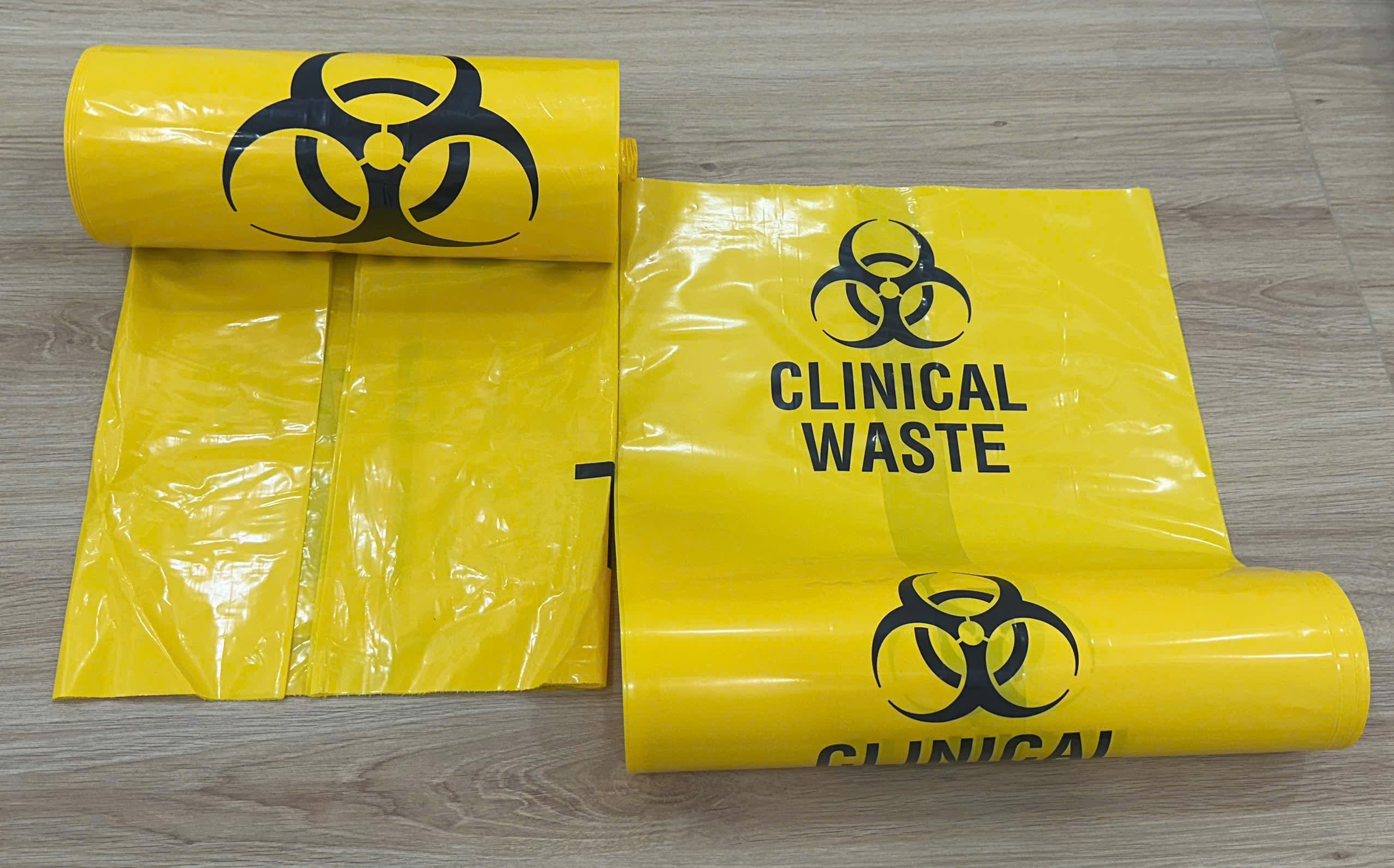
- Hazardous Plastic Garbage Bags – Designed with extra barrier layers for chemicals, medical waste, or sharp objects.
- Food Plastic Bags – Food‑grade liners that meet safety standards for waste from kitchens.
- Block Header Plastic Bags – Feature a reinforced header for easy tying and lifting.
- Handle Wrap Tool Plastic Bags – Include built‑in handles for quick transport of heavy loads.
Why Choose a Specialized Bag?
Specialized bags reduce the risk of tears, leaks, and contamination. For example, hazardous plastic garbage bags often incorporate a multi‑layer barrier that prevents chemicals from seeping into the environment, while food plastic bags are typically odor‑controlled and meet FDA regulations.
Key Decision Factors When Buying Trash Bags
Below is a concise checklist you can use before placing an order on VNPLAST or any other supplier.
- Load Capacity – Measured in gallons (e.g., 13 gal, 30 gal). Match the bag size to the container.
- Thickness (Mil) – 0.8 mil for light use, 1.5 mil+ for heavy or sharp waste.
- Material Type – Virgin plastic vs. recycled content.
- Seal Strength – Reinforced seams or block header for secure closure.
- Environmental Certifications – Look for “recyclable” or “compostable” labels.
- Special Features – Handles, odor control, UV resistance.
- Price per Unit – Compare bulk pricing; consider total cost of ownership.
Material Comparison: Virgin Plastic vs. Recycled Plastic Bags
Choosing between virgin and recycled plastic impacts durability, cost, and sustainability.
- Virgin Plastic Trash Bags
- Higher tensile strength, less likely to puncture.
- Typically cheaper per pound because of economies of scale.
- Higher carbon footprint during production.
- Recycled Plastic Trash Bags
- Utilize post‑consumer waste, reducing landfill pressure.
- May have slightly lower tear resistance, but modern blends achieve comparable performance.
- Often marketed as “eco‑friendly” and may qualify for green procurement policies.
Pros and Cons at a Glance
| Aspect | Virgin Plastic | Recycled Plastic |
|---|---|---|
| Strength | High | Medium‑High |
| Cost | Lower | Slightly Higher |
| Environmental Impact | Higher CO₂ | Reduced Waste |
| Availability | Widely stocked | Growing but limited SKUs |
Specialized Trash Bags for Industry Applications
Industries such as construction, healthcare, and food service have unique waste‑handling requirements. VNPLAST offers several tailored solutions.
- Die Cut Bag Plastic – Pre‑cut to exact dimensions for automated filling lines.
- Hand Stretch Film – Often paired with trash bags to secure loads on pallets.
- Block Header Plastic Bag – Ideal for heavy loads that need a strong tie‑off point.
- Handle Wrap Tool Plastic Bag – Enables one‑hand lifting of full containers.
Real‑World Use Cases
Construction sites frequently use heavy‑duty garbage plastic bags (2 mil+ thickness) to collect concrete fragments and broken tools. Healthcare facilities rely on hazardous plastic garbage bags with a leak‑proof seal to safely dispose of biohazardous materials.
How to Store and Dispose of Trash Bags Responsibly
Proper storage extends bag life and maintains performance:
- Keep bags in a cool, dry area away from direct sunlight to prevent UV degradation.
- Store rolls horizontally to avoid crushing the inner layers.
- Label each roll with size and material type for quick identification.
When disposing of used bags, follow local regulations. Many municipalities accept clean, empty plastic bags for recycling; however, contaminated bags (e.g., with food grease) often must go to landfill.
Cost‑Benefit Analysis: Bulk Purchase vs. On‑Demand Ordering
Buying in bulk reduces per‑bag cost but requires storage space. On‑demand ordering offers flexibility and lower inventory risk. Use the matrix below to decide:
| Factor | Bulk Purchase | On‑Demand |
|---|---|---|
| Unit Price | 5‑15% lower | Standard |
| Storage Needs | High | Minimal |
| Stock‑out Risk | Low | Higher |
| Cash Flow Impact | Higher upfront | Spread out |
Checklist: Selecting the Right Trash Bag for Your Operation
- Identify the waste type (general, hazardous, food, construction).
- Measure container volume (gallons) and choose matching bag size.
- Determine required thickness (mil) based on load weight and sharpness.
- Decide on material (virgin vs. recycled) based on budget and sustainability goals.
- Check for special features: handles, block header, odor control.
- Verify compliance with local regulations (e.g., FDA for food‑grade bags).
- Calculate total cost of ownership, including storage and disposal.
Frequently Asked Questions
What size trash bag should I use for a standard kitchen trash can?
A 13‑gallon standard refuse sack plastic bag fits most kitchen bins and offers enough capacity for daily waste without frequent changes.
Are recycled trash bags as strong as virgin plastic bags?
Modern recycled blends achieve comparable tear resistance. For heavy or sharp waste, choose a recycled bag rated at 1.5 mil or higher.
Can I use trash bags for hazardous waste?
Only bags specifically labeled as hazardous plastic garbage bags should be used for chemicals, medical waste, or sharps. They feature multi‑layer barriers and reinforced seams.
Do block header trash bags make tying easier?
Yes. The reinforced header provides a sturdy grip, reducing the chance of the bag tearing while you tie it shut.
How do I recycle used trash bags?
If your local program accepts clean, empty plastic bags, place them in the designated recycling bin. Contaminated bags must be disposed of with regular waste unless a specialized recycling service is available.
Conclusion
Choosing the right trash bags hinges on matching material, thickness, and special features to your specific waste stream. By evaluating load capacity, environmental impact, and cost, you can select a solution that protects your facility, meets regulatory standards, and aligns with sustainability goals. VNPLAST’s extensive catalog—from Hand Stretch Film to Die Cut Bag Plastic—provides the flexibility to equip any operation with the ideal trash‑bag solution.