Plastic bag recycling laws vary widely across jurisdictions, but they all aim to reduce waste, protect the environment, and promote sustainable practices. In the first 120 words, this article explains what plastic bag recycling laws require, how they affect manufacturers, retailers, and everyday users, and what steps you can take to stay compliant while maximizing recycling efficiency.
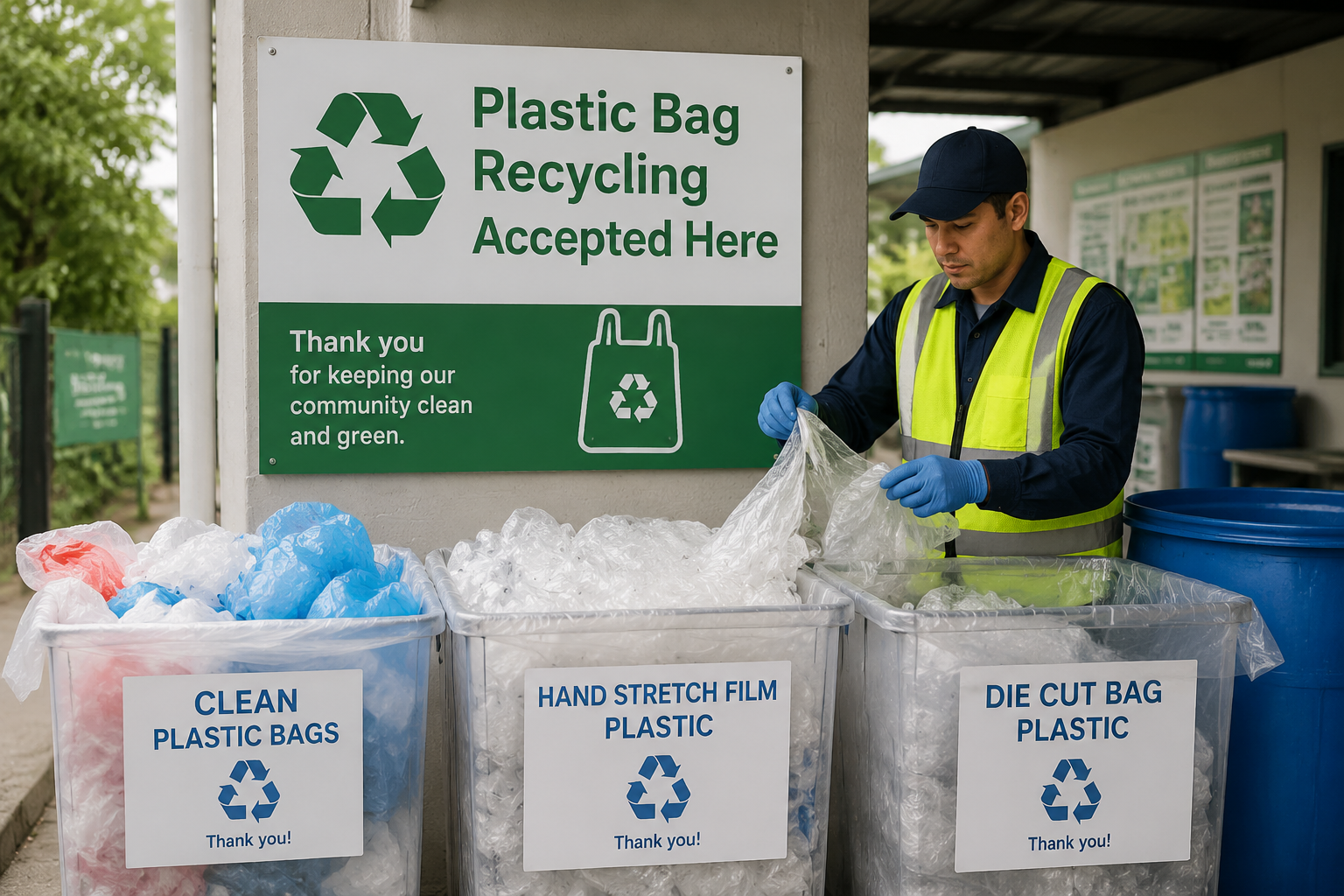
a municipal recycling drop-off station with clear bins labeled for clean plastic bags, a worker sorting Hand Stretch Film and Die Cut Bag P…
Why Plastic Bag Recycling Laws Matter
Governments enact plastic bag recycling laws to address the massive volume of single‑use plastics that end up in landfills and oceans. These regulations:
- Reduce environmental impact: Proper recycling cuts greenhouse‑gas emissions and marine pollution.
- Encourage circular economy: Laws create markets for recycled plastic, supporting products like Recycle Plastic bag and Refuse Sack Plastic Bag.
- Protect public health: Managing Hazardous Plastic Garbage prevents soil and water contamination.
Key Components of Plastic Bag Recycling Laws
1. Definition of Covered Materials
Most statutes specify which plastic bags are eligible for recycling. Typical categories include:
- Hand Stretch Film
- Die Cut Bag Plastic
- Food Plastic Bag
- Garbage Plastic Bag (clean and dry)
- Handle Wrap Tool Plastic Bag
2. Collection and Sorting Requirements
Businesses must provide separate collection points for clean, dry bags. The law often mandates:
- Labelled bins placed at retail entrances.
- Weekly pickup by licensed recyclers.
- Documentation of collection volumes for audit.
3. Producer Responsibility
Extended Producer Responsibility (EPR) programs hold manufacturers accountable for the end‑of‑life of their plastic bags. Compliance actions include:
- Funding recycling infrastructure.
- Reporting the amount of plastic bags placed on the market.
- Meeting minimum recycled-content targets for new bags.
4. Penalties and Incentives
Non‑compliance can result in fines, product bans, or loss of business licenses. Conversely, many regions offer tax credits or grant programs for companies that achieve high recycling rates.
Regional Snapshots: How Laws Differ Across Major Markets
United States
States such as California, New York, and Oregon have comprehensive bans on single‑use plastic bags and mandatory recycling programs. California’s SB 54 requires retailers to provide reusable bags and to accept clean plastic bags for recycling.
European Union
The EU’s Single‑Use Plastics Directive mandates member states to achieve a 50% recycling rate for plastic bags by 2025. Countries like Germany and France have introduced deposit‑return schemes for certain bag types.
Asia‑Pacific
In Vietnam, the Ministry of Natural Resources and Environment has introduced a phased ban on thin plastic bags and requires businesses to join local recycling cooperatives. Thailand’s “Plastic Bag Reduction Act” enforces a 30% recycled‑content rule for new bags.
Compliance Checklist for Businesses
Use this checklist to ensure your operation meets the most common plastic bag recycling laws:
- Identify covered bag types: Verify that Hand Stretch Film, Die Cut Bag Plastic, and other products fall under local regulations.
- Set up collection points: Install clearly labeled bins for clean, dry bags at every retail entrance.
- Partner with certified recyclers: Choose a recycler that can process the specific polymers used in your bags.
- Track volumes: Maintain monthly logs of bags collected, recycled, and disposed of.
- Report to authorities: Submit required data through online portals or annual compliance reports.
- Train staff: Conduct quarterly training on proper bag sorting and handling of Hazardous Plastic Garbage.
- Review incentives: Apply for local tax credits or grant programs for high recycling rates.
Decision Matrix: Choosing the Right Recycling Partner
| Criteria | Local Municipal Recycler | Private Waste‑to‑Energy Facility | Specialized Plastic‑Bag Processor |
|---|---|---|---|
| Accepted Bag Types | Most consumer bags, Food Plastic Bag | Limited to high‑density polyethylene | All listed types, including Hazardous Plastic Garbage |
| Recycling Rate | 60‑70% | 85‑90% (energy recovery) | 95%+ (closed‑loop reuse) |
| Cost per Ton | $150‑$200 | $120‑$170 | $210‑$260 |
| Regulatory Alignment | Meets basic state mandates | May require additional reporting | Full EPR compliance |
| Turnaround Time | 2‑3 weeks | 1‑2 weeks | Within 48 hours |
Practical Steps for Consumers
Even individuals can help enforce plastic bag recycling laws by following simple practices:
- Clean before recycling: Rinse out food residue from Food Plastic Bag and GARBAGE PLASTIC BAG.
- Separate hazardous items: Do not mix Hazardous Plastic Garbage with regular recyclables.
- Use designated bins: Drop clean bags at store‑provided collection points or municipal centers.
- Choose reusable alternatives: When possible, replace single‑use bags with durable Block Header Plastic Bag or reusable tote.
Common Challenges and How to Overcome Them
Contamination
Dirty or wet bags often get rejected by recyclers, leading to higher disposal costs. Implement a pre‑sorting station where staff can quickly rinse or discard contaminated bags.
Supply Chain Gaps
Some regions lack certified processors for specific polymers. Work with industry groups to develop local recycling hubs or consider exporting clean bags to nearby jurisdictions with established facilities.
Regulatory Changes
Plastic bag recycling laws evolve quickly. Subscribe to updates from environmental agencies, and schedule annual compliance audits to stay ahead of new requirements.
Future Outlook: Towards a Zero‑Waste Plastic Bag System
Emerging technologies such as chemical recycling and advanced sorting AI promise higher recovery rates for mixed‑material bags. Governments are drafting stricter mandates, including mandatory recycled‑content percentages and extended producer responsibility fees. Companies that invest early in closed‑loop solutions—like converting Die Cut Bag Plastic into new Hand Stretch Film—will gain competitive advantage and reduce compliance risk.
Conclusion
Understanding and complying with plastic bag recycling laws is essential for protecting the environment, avoiding penalties, and building a sustainable brand reputation. By implementing the compliance checklist, selecting the right recycling partner, and educating consumers, businesses can turn regulatory requirements into operational strengths. Stay informed, track performance, and adapt to evolving legislation to ensure long‑term success in a circular economy.
Frequently Asked Questions
What types of plastic bags are usually covered by recycling laws?
Most laws include clean, dry bags such as Hand Stretch Film, Die Cut Bag Plastic, Food Plastic Bag, and reusable grocery bags. Hazardous Plastic Garbage is often excluded and must be disposed of through special channels.
Do small retailers need to report their plastic bag recycling volumes?
In many jurisdictions, any business that offers plastic bags to customers must keep records and submit annual reports. The exact threshold varies; check state or local regulations for specific reporting limits.
How can I verify that a recycler is certified for plastic bag processing?
Look for certifications such as ISO 14001, R2, or local government permits that list accepted polymer types. Ask for a recent audit report that confirms they handle Hand Stretch Film, Die Cut Bag Plastic, and other bag categories.
Are there financial incentives for meeting recycling targets?
Yes. Many states and municipalities offer tax credits, grant funding, or reduced waste‑disposal fees for businesses that achieve or exceed mandated recycling percentages.