Plastic waste regulations are the set of laws, standards, and policies that govern how plastic products—such as plastic bags, hand stretch film, die‑cut bags, and hazardous garbage bags—are produced, used, and disposed of. These rules aim to reduce environmental impact, promote recycling, and ensure public safety. In many regions, compliance is mandatory for businesses like VNPLAST, which supplies a wide range of plastic packaging solutions. This article explains the key regulatory frameworks, compliance steps, and practical tips for navigating the evolving landscape of plastic waste regulations.
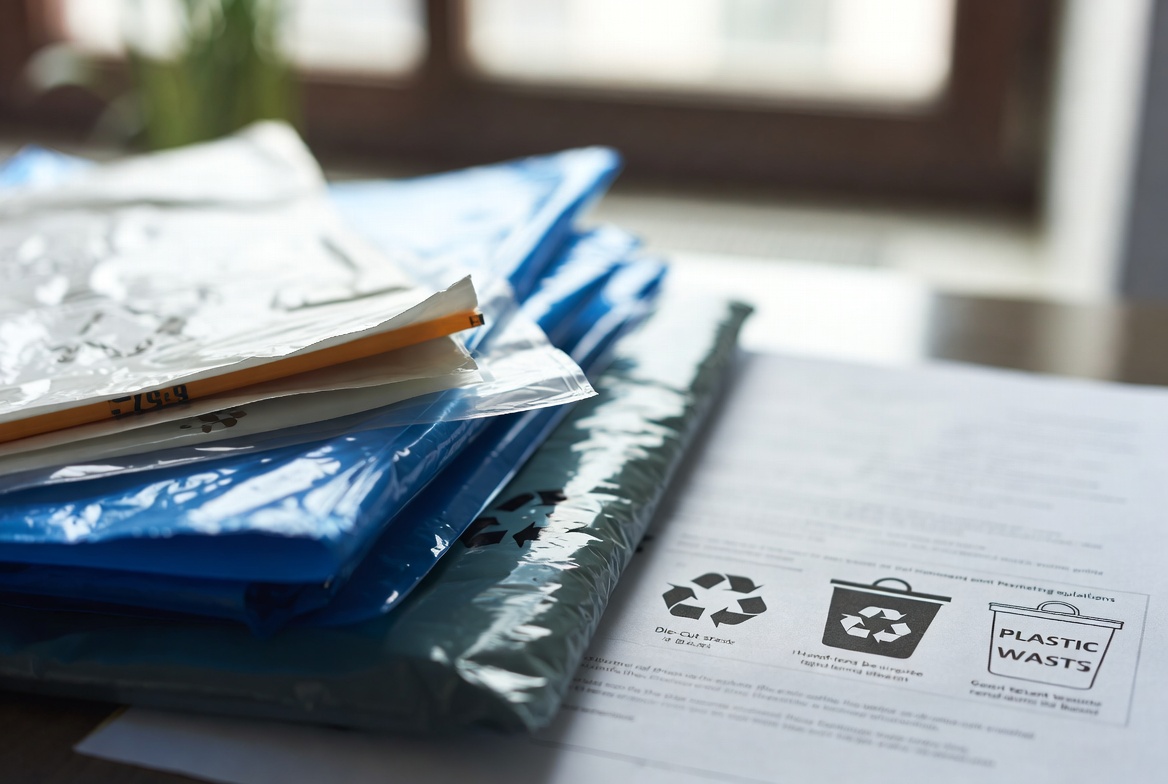
A close‑up of a stack of different plastic bags (hand stretch film, die‑cut bag, refuse sack) with recycling symbols and a government regul…
Why Plastic Waste Regulations Matter
Environmental protection is the primary driver: reducing landfill volume and marine pollution. Economic incentives also play a role, as many governments offer tax breaks for recycled‑content products. Finally, legal compliance protects companies from fines and market bans.
Major Global Frameworks
European Union
- Single‑Use Plastics Directive (2021): bans specific single‑use items, sets collection targets for plastic bottles, and requires reusable alternatives.
- Extended Producer Responsibility (EPR): manufacturers must finance collection and recycling of their plastic packaging.
United States
- California Plastic Waste Reduction Act: imposes a 25% recycled‑content requirement for plastic bags by 2025.
- Federal Resource Conservation and Recovery Act (RCRA): regulates hazardous plastic garbage and mandates proper labeling.
Asia‑Pacific (Focus on Vietnam)
- Vietnam Circular Economy Law (2022): mandates a 30% recycled‑content target for plastic packaging by 2030.
- Local municipal bans: several cities prohibit non‑recyclable plastic bags and require separate collection bins for hazardous waste.
Key Compliance Steps for Plastic Packaging Producers
- Material Audit: Identify the polymer types used in each product (e.g., HDPE for garbage bags, LDPE for stretch film).
- Labeling Review: Ensure all bags carry the correct recycling symbols, hazard warnings, and country‑specific compliance marks.
- Recycled‑Content Verification: Obtain certificates of recycled content for hand stretch film, die‑cut bags, and other items.
- Registration with EPR Schemes: Enroll in national producer responsibility programs and report tonnage annually.
- Supply‑Chain Documentation: Keep traceable records from raw material sourcing to end‑user disposal.
Practical Checklist for VNPLAST and Similar Manufacturers
- ☑ Verify that each plastic bag product meets the local recycled‑content threshold.
- ☑ Update product data sheets with the latest regulatory symbols (e.g., “♻️ 30% recycled”).
- ☑ Conduct quarterly training for sales and logistics teams on hazardous plastic garbage handling.
- ☑ Implement a take‑back program for used Hand Stretch Film and Block Header Plastic Bags.
- ☑ Review contracts with distributors to ensure they adhere to regional waste‑collection mandates.
Impact on Specific VNPLAST Products
Plastic Bag (General)
Most jurisdictions now require a minimum of 20‑30% recycled content. VNPLAST’s standard polyethylene bags already incorporate 25% post‑consumer material, positioning them for compliance in the EU and Vietnam.
Hand Stretch Film
These films are often classified as “single‑use” packaging. Under the EU directive, they must be recyclable and labeled accordingly. Switching to a biodegradable additive can future‑proof the product.
Die Cut Bag Plastic
Die‑cut bags used for food packaging must meet both food‑contact safety standards and plastic‑waste regulations. VNPLAST should verify compliance with FDA 21 CFR Part 174 and local recycling mandates.
Hazardous Plastic Garbage Bags
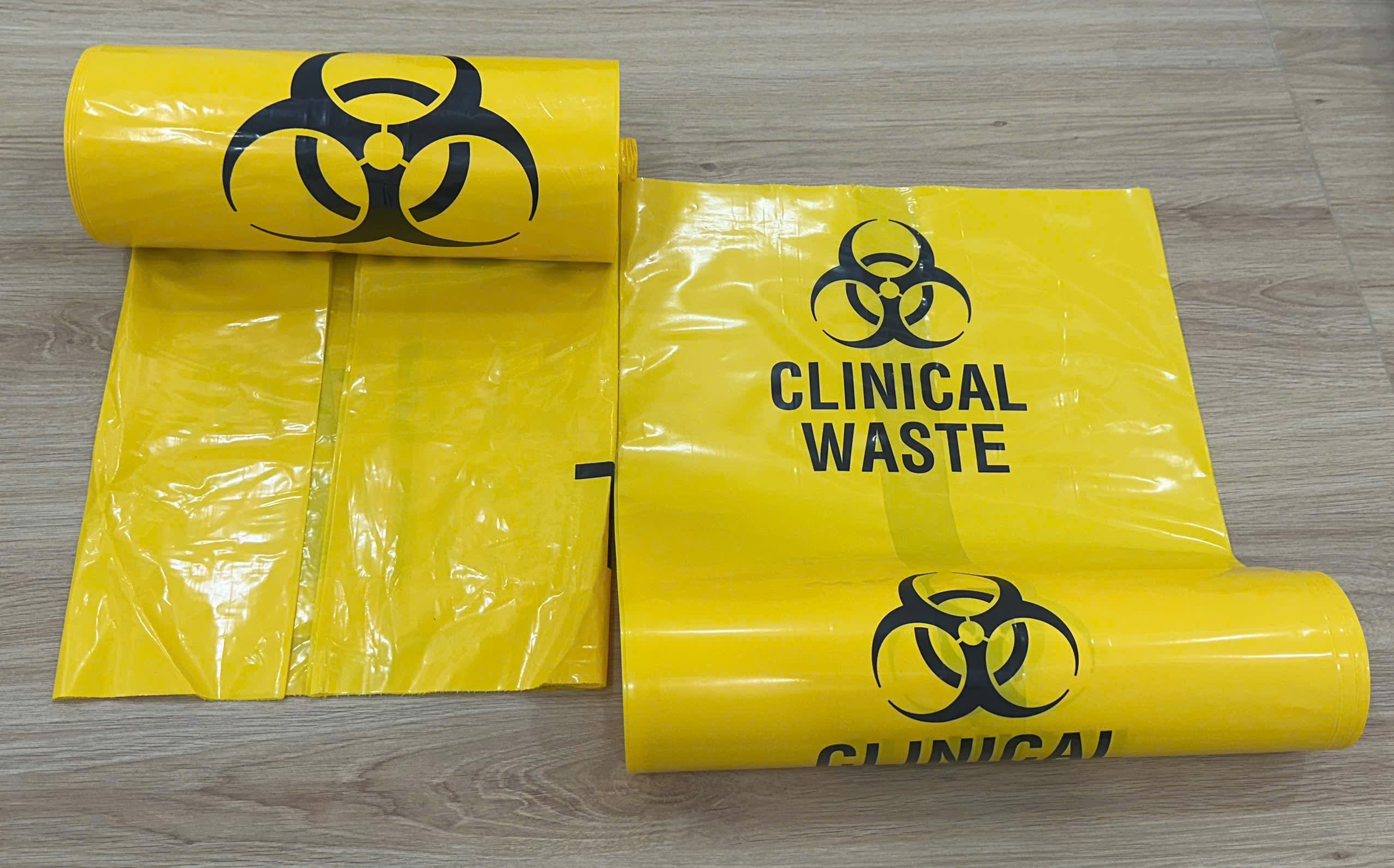
Regulated under RCRA in the U.S. and similar hazardous waste laws in Vietnam. They require clear “hazardous waste” labeling, puncture‑resistant construction, and a documented disposal pathway.
Comparing Compliance Options: In‑House Recycling vs. Third‑Party Services
| Factor | In‑House Recycling | Third‑Party Service |
|---|---|---|
| Initial Capital | High (equipment, staff) | Low (service fees) |
| Control Over Quality | Full | Variable |
| Scalability | Limited by facility size | Easily scalable |
| Regulatory Reporting | Direct responsibility | Provider handles reporting |
| Long‑Term Cost | Potentially lower after break‑even | Ongoing operational expense |
Common Questions from Industry Professionals
What are the penalties for non‑compliance?
Fines can range from $5,000 per ton of non‑recycled plastic in the EU to $10,000 per violation in U.S. states like California. Repeated offenses may lead to product bans.
How can small businesses meet the recycled‑content requirement?
Partner with certified recyclers to source post‑consumer resin, or purchase pre‑blended recycled polymer pellets from reputable suppliers.
Do “biodegradable” claims exempt a product from regulations?
No. Biodegradability is a separate performance claim and does not replace mandatory recycled‑content or labeling requirements.
Conclusion
Staying ahead of plastic waste regulations is essential for manufacturers, distributors, and consumers who rely on products such as plastic bags, hand stretch film, and hazardous garbage bags. By conducting thorough material audits, updating labeling, and choosing the right recycling strategy—whether in‑house or through a third‑party—companies like VNPLAST can achieve compliance, reduce environmental impact, and maintain market access. Proactive adherence not only avoids costly penalties but also strengthens brand reputation in an increasingly eco‑conscious marketplace.
FAQ
- What is the main goal of plastic waste regulations? To reduce plastic pollution, increase recycling rates, and ensure safe handling of hazardous plastic waste.
- When will the EU’s 30% recycled‑content rule take effect? The requirement applies to most single‑use plastic packaging starting January 2025.
- Are there exemptions for food‑grade plastic bags? Food‑grade bags must still meet recycling and labeling rules, but certain biodegradable materials may receive limited exemptions.
- How often must companies report plastic waste data? Reporting frequency varies: annually in the EU’s EPR scheme, semi‑annually in some U.S. states, and quarterly under Vietnam’s circular‑economy law.
- Can a company use reclaimed plastic from its own waste stream? Yes, provided the reclaimed material meets the quality and certification standards required by the relevant regulation.