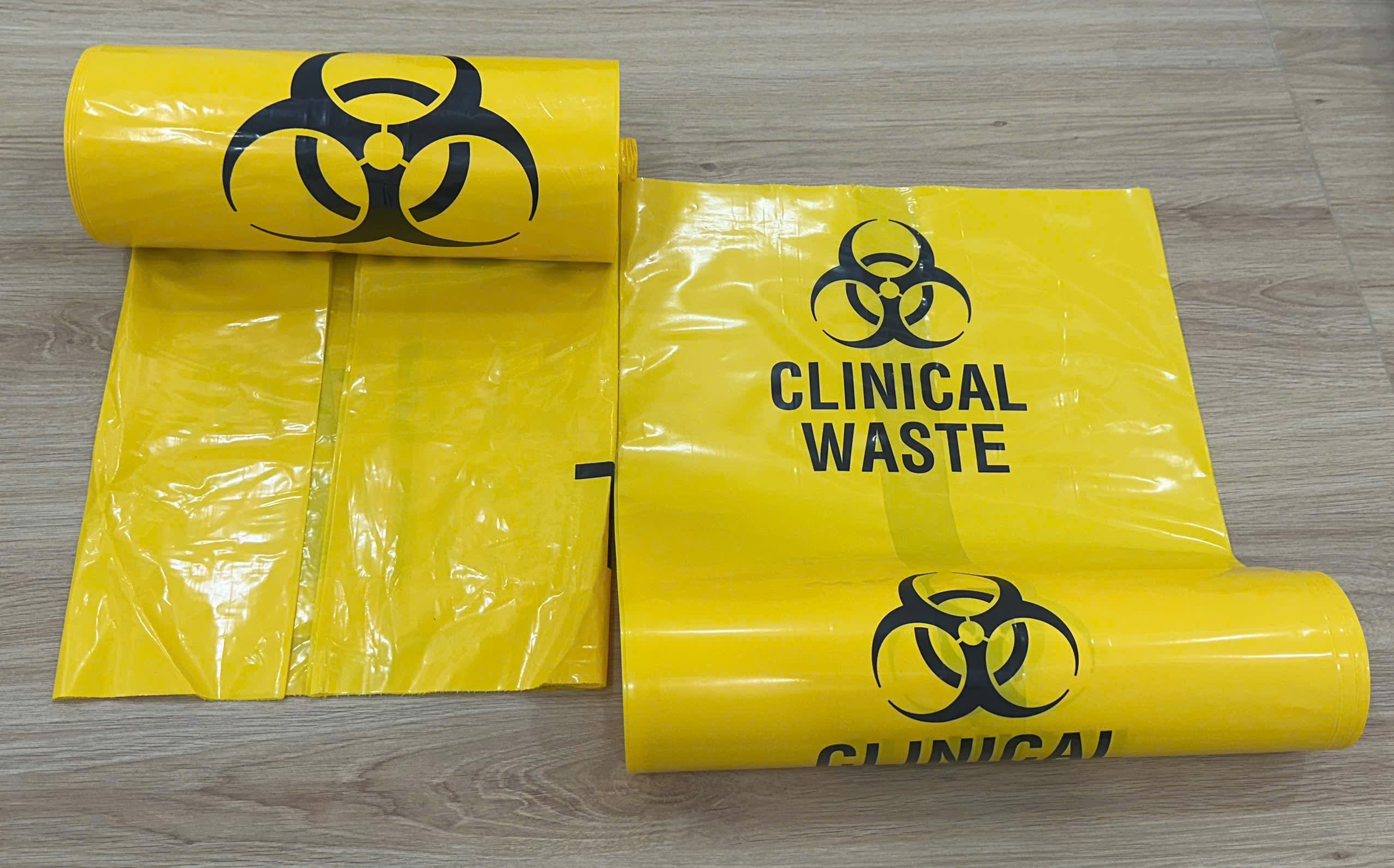
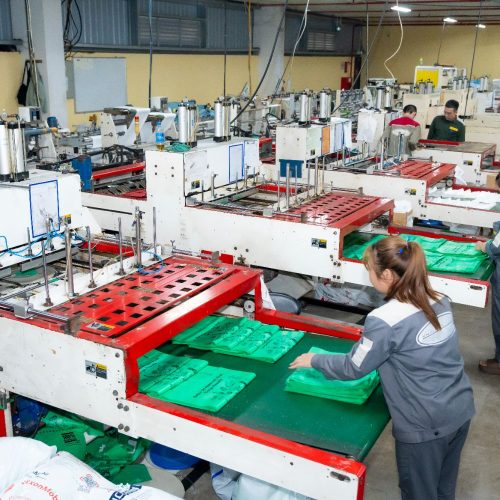
Businesses and households are increasingly searching for biodegradable trash bags that combine strength with environmental responsibility. These bags break down naturally under composting conditions, reducing landfill waste and carbon footprint while still handling typical refuse loads. This article explains how they work, what to look for when buying, and why VNPLAST’s eco‑focused product line stands out.
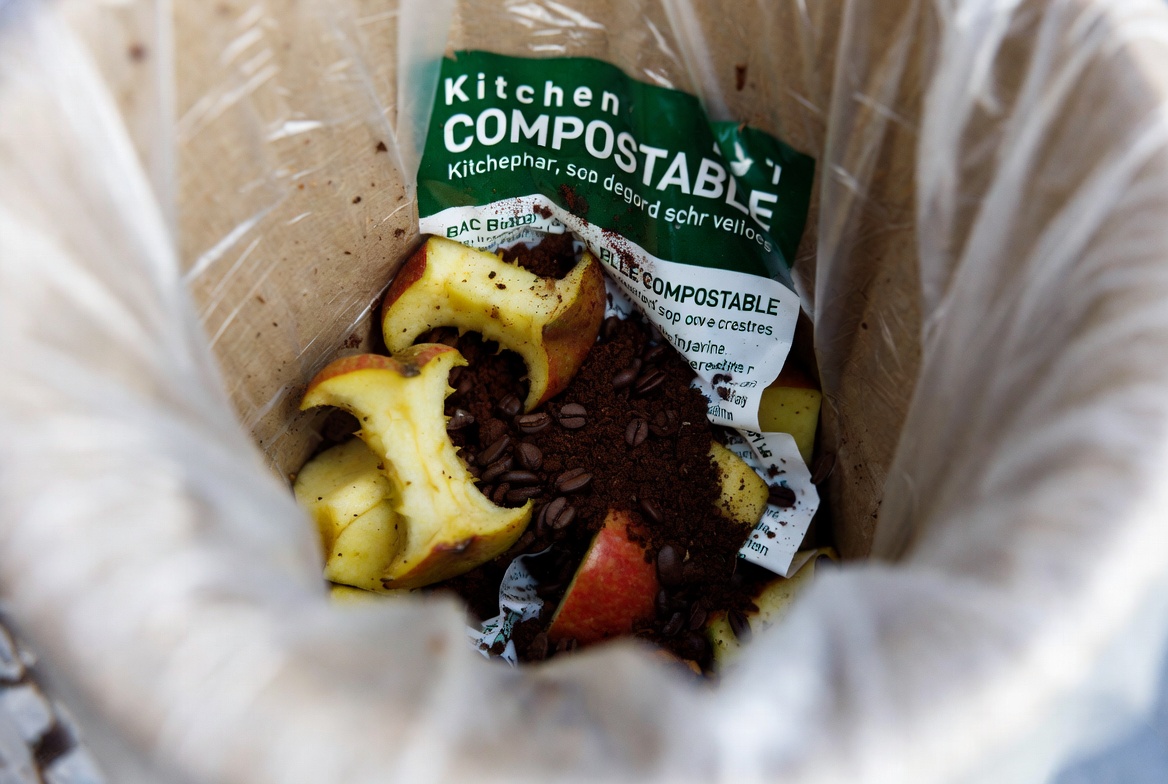
A close‑up of a biodegradable trash bag being filled with kitchen waste, showing the bag’s texture and the compostable label on the side
How Biodegradable Trash Bags Work
Unlike conventional plastic bags made from virgin polyethylene, biodegradable bags incorporate plant‑based polymers or additives that trigger microbial degradation. When exposed to heat, moisture, and oxygen—conditions found in industrial composting facilities—the material fragments into water, carbon dioxide, and biomass.
Key Materials Used
- Polylactic Acid (PLA): Derived from corn starch, PLA offers high tensile strength and clear visual appeal.
- Starch‑Blended Polyethylene: Combines traditional PE with natural starch, maintaining stretch while enabling breakdown.
- Oxo‑Biodegradable Additives: Accelerate oxidation in the presence of UV light and heat, suitable for short‑term use.
Decision Checklist: Choosing the Right Biodegradable Trash Bag
- Load Capacity – Match the bag’s thickness (measured in mils) to the expected weight of waste.
- Compost Certification – Look for ASTM D6400 or EN 13432 certification for industrial compostability.
- Seal Type – Choose draw‑string, twist‑tie, or flat seal based on handling preferences.
- Size Compatibility – Ensure the bag fits standard garbage cans or specialized containers (e.g., hazardous plastic garbage bins).
- Price per Unit – Compare cost against traditional plastic bags while factoring potential waste‑reduction savings.
Comparing Biodegradable Options with Conventional Plastic Bags
| Feature | Biodegradable Trash Bag | Standard Plastic Bag |
|---|---|---|
| Environmental Impact | Breaks down in 90‑180 days in compost | Persists for 500+ years in landfill |
| Strength | Comparable tensile strength (up to 30 mil) | Typically stronger at same thickness |
| Cost | 5‑15% higher per bag | Lowest market price |
| Regulatory Compliance | Meets compostable standards (ASTM D6400) | Meets basic plastic regulations only |
| Use Cases | Food waste, office refuse sack, hazardous plastic garbage (low‑risk) | General waste, heavy‑duty construction debris |
Real‑World Use Cases for Biodegradable Trash Bags
VNPLAST’s biodegradable range is engineered for several practical scenarios:
- Food Service – Compostable food plastic bags for kitchen waste, compatible with commercial composters.
- Office Buildings – Recycle plastic bag programs using biodegradable refuse sacks to reduce office landfill contribution.
- Healthcare Facilities – Hazardous plastic garbage bags that meet safety standards while ensuring eco‑friendly disposal.
- Construction Sites – Block header plastic bags for light debris, offering a greener alternative to heavy‑duty liners.
How to Properly Dispose of Biodegradable Trash Bags
- Confirm your local waste service accepts compostable bags.
- Separate food waste from non‑compostable items.
- Place the bag in a certified industrial composting bin; avoid regular landfill bins.
- Do not recycle biodegradable bags with traditional plastic recycling streams.
Pros and Cons of Biodegradable Trash Bags
- Pros
- Reduces long‑term landfill volume.
- Supports corporate sustainability goals.
- Often certified for industrial composting.
- Cons
- Higher unit cost compared to conventional bags.
- Requires access to proper composting facilities.
- Potentially lower tear resistance in extreme temperatures.
Implementation Tips for Businesses
Integrating biodegradable trash bags into your waste management plan can be seamless with these steps:
- Audit current waste streams to identify high‑volume categories.
- Partner with a composting service that accepts certified bags.
- Train staff on proper segregation and disposal procedures.
- Monitor cost savings from reduced landfill fees and improved brand perception.
FAQ
Are biodegradable trash bags suitable for outdoor use?
Yes, they can handle typical outdoor refuse, but extreme UV exposure may accelerate degradation, potentially reducing strength. Choose UV‑stabilized options for prolonged outdoor exposure.
Can I compost biodegradable bags at home?
Home composting is slower; most biodegradable bags require industrial conditions (55‑65 °C). Home compost may break down the bag over several months, but results vary.
Do biodegradable bags decompose in a regular landfill?
Landfill environments lack the oxygen, heat, and moisture needed for rapid breakdown, so they may persist much longer than in a composting facility.
How do I verify a bag’s compostability?
Look for certifications such as ASTM D6400, EN 13432, or the “OK compost” label. These indicate the product has passed standardized testing.
What is the difference between oxo‑biodegradable and fully compostable bags?
Oxo‑biodegradable bags fragment into micro‑plastics after oxidation, whereas fully compostable bags break down into organic matter without leaving plastic residues.
Conclusion
Choosing biodegradable trash bags from VNPLAST positions your organization at the forefront of sustainable waste management. By understanding material science, certification standards, and proper disposal pathways, you can reduce environmental impact while maintaining the reliability required for everyday refuse handling. Implement the checklist, evaluate use cases, and partner with certified composters to turn waste into a resource, not a liability.