Finding a reliable machine stretch film supplier is the first step to securing consistent, cost‑effective protection for pallets, boxes, and bulk loads. A qualified supplier not only provides high‑quality film but also offers technical support, flexible roll sizes, and fast delivery that match the demands of industries ranging from food packaging to hazardous waste management. This article explains exactly what to look for, how VNPLAST’s product range fits into common applications, and which decision factors will keep your supply chain running smoothly.
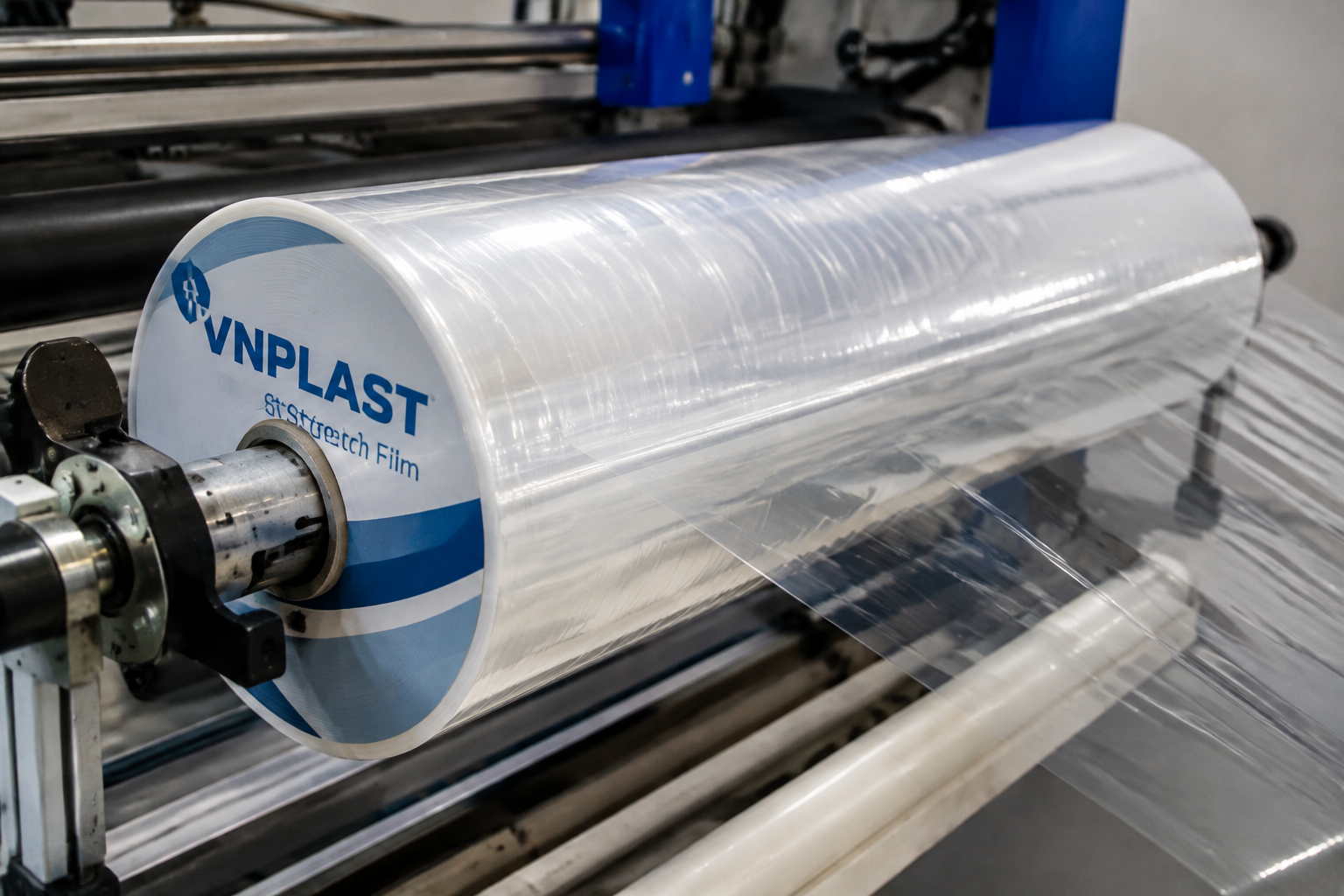
A close‑up view of a industrial stretch film roll being unwound from a dispensing machine, showing the glossy transparent film and the VNPL…
Why a Specialized Machine Stretch Film Supplier Matters
Stretch film is more than a thin plastic sheet; it is a critical component of load stability, product safety, and shipping efficiency. Partnering with a supplier that understands machine‑grade specifications ensures:
- Consistent tensile strength for uniform wrapping tension.
- Film thickness precision (measured in microns) that matches your equipment’s feed rate.
- Compliance with food‑grade, hazardous‑material, or recycling standards required by regulations.
- Technical assistance for adjusting machine settings and troubleshooting film breaks.
Core Services Provided by a Machine Stretch Film Supplier
- Custom roll lengths and widths – from 300 mm to 2,000 mm wide, 500 m to 2,000 m long.
- On‑site testing – sample runs on your wrapping machine to verify performance.
- Inventory management – automatic re‑order points and just‑in‑time delivery.
- Sustainability consulting – guidance on recyclable or biodegradable film options.
Quality Standards and Certifications
Reputable suppliers adhere to ISO 9001 for quality management and, when relevant, ISO 14001 for environmental responsibility. For food‑related applications, look for FDA‑approved or EU‑Regulation 1935 compliance. VNPLAST’s hand stretch film and die‑cut bag plastic meet these benchmarks, providing peace of mind for manufacturers and distributors.
Key Decision Factors When Selecting a Supplier
Use the checklist below to evaluate potential partners before signing a contract.
- Product Compatibility
- Does the supplier stock hand stretch film, machine stretch film, and specialty films (e.g., anti‑static, UV‑resistant)?
- Are die‑cut bag plastics and recycle‑plastic bag options available for secondary packaging?
- Pricing Structure
- Is pricing tiered by volume, and are there discounts for long‑term agreements?
- Are there hidden fees for freight, minimum order quantities, or waste disposal?
- Delivery & Logistics
- Can the supplier guarantee same‑day or next‑day shipping to your warehouse?
- Do they offer temperature‑controlled transport for films that are sensitive to heat?
- Technical Support
- Is there a dedicated account manager or field engineer for on‑site troubleshooting?
- Do they provide training materials for machine operators?
- Sustainability Credentials
- Are recyclable or biodegradable film options part of the catalog?
- Does the supplier track carbon footprint and offer take‑back programs?
Product Compatibility with VNPLAST’s Portfolio
VNPLAST supplies a full suite of plastic packaging solutions that integrate seamlessly with machine stretch film applications:
- Hand Stretch Film – Ideal for manual wrapping and quick top‑off jobs.
- Die Cut Bag Plastic – Pre‑formed bags for bulk material handling.
- Recycle Plastic Bag – Eco‑friendly options for secondary packaging.
- Refuse Sack Plastic Bag & Garbage Plastic Bag – Heavy‑duty films for waste management.
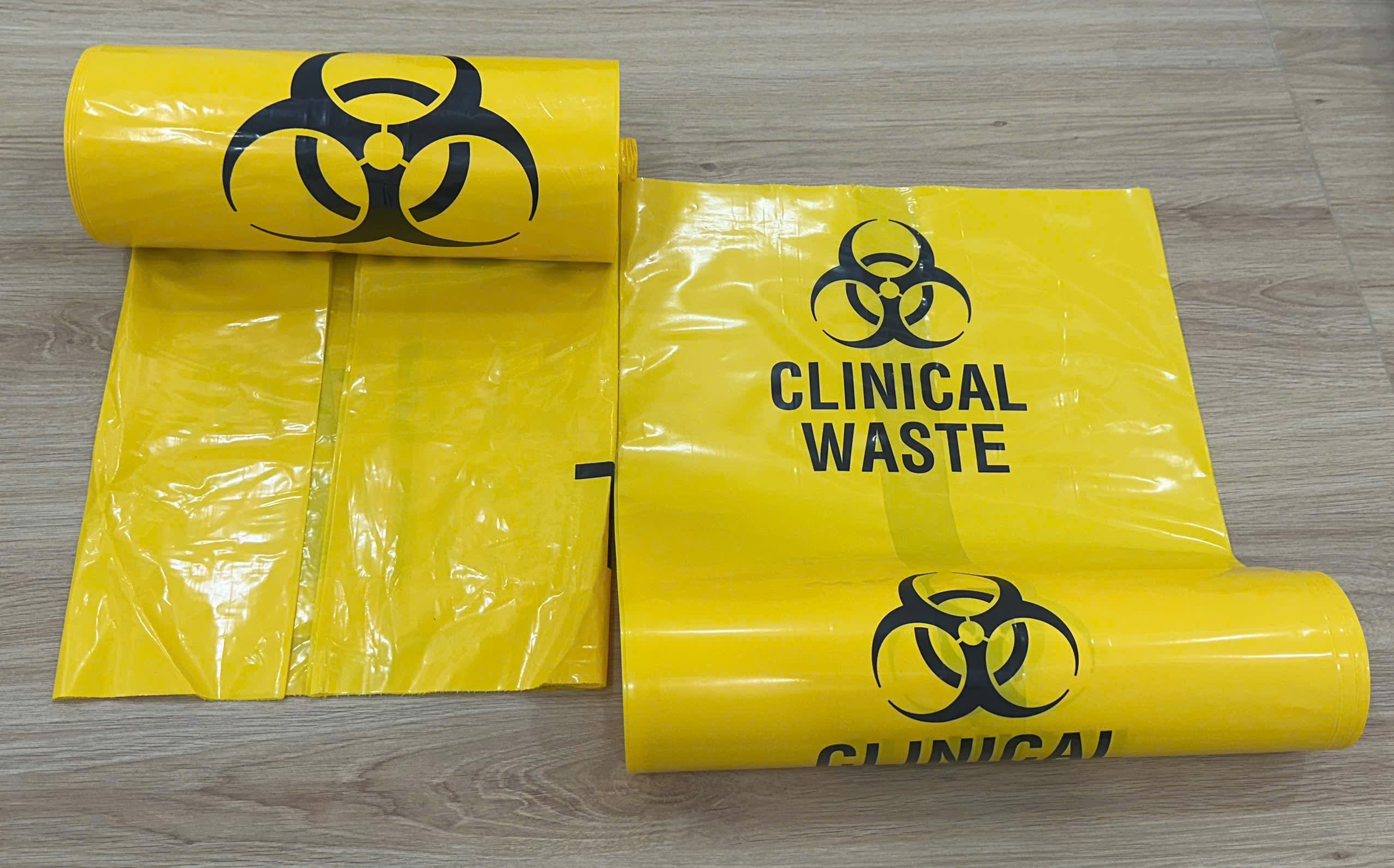
- Hazardous Plastic Garbage – Chemically resistant films meeting safety regulations.
- Handle Wrap Tool Plastic Bag – Reinforced handles for easy transport.
- Block Header Plastic Bag – Secure sealing for pallets of irregular shapes.
- Food Plastic Bag – FDA‑compliant film for perishable goods.
Real-World Use Cases
Understanding how machine stretch film performs in actual environments helps you gauge ROI and risk.
- Food Distribution Centers – VNPLAST’s food‑grade stretch film maintains freshness while withstanding cold‑chain temperatures.
- Construction Material Shipping – Heavy‑duty garbage plastic bags combined with stretch film protect concrete blocks from moisture and shifting.
- Hazardous Waste Transport – Specialized hazardous plastic garbage film prevents leaks and complies with EPA regulations.
- E‑commerce Fulfillment – Quick‑change hand stretch film reduces changeover time for mixed‑size orders.
Comparison of Leading Supplier Offerings
Below is a concise pros‑and‑cons matrix that highlights typical differentiators among top machine stretch film suppliers, including VNPLAST.
- VNPLAST
- Pros: Wide product range, ISO‑certified, strong local logistics network in Southeast Asia, dedicated technical support.
- Cons: Limited presence in North America, higher minimum order for custom widths.
- GlobalWrap Co.
- Pros: Extensive global distribution, large inventory of standard roll sizes, competitive bulk pricing.
- Cons: Minimal customization, slower response to technical queries.
- EcoFilm Solutions
- Pros: Focus on biodegradable films, strong sustainability reporting, flexible payment terms.
- Cons: Higher per‑meter cost, limited tensile strength options.
Frequently Asked Questions
What thickness of machine stretch film is best for pallet stability?
For most pallet loads, a thickness of 15–20 µm provides a good balance of stretchability and puncture resistance. Heavy‑duty applications such as construction materials may require 25 µm or higher.
Can I use the same stretch film for both hand‑wrap and machine‑wrap processes?
While hand‑wrap film is generally thinner (10–12 µm) and designed for manual tension, many suppliers offer a “dual‑grade” film (15 µm) that works on both methods, reducing inventory complexity.
How do I verify that a supplier’s film complies with food‑safety regulations?
Request the supplier’s FDA or EU‑Regulation 1935 certification, and ask for a material safety data sheet (MSDS) that confirms the film is free of prohibited additives.
Is recyclable stretch film more expensive than conventional film?
Recyclable or biodegradable films typically carry a 10–20 % price premium, but the cost can be offset by lower waste‑disposal fees and compliance with sustainability targets.
Conclusion
Choosing the right machine stretch film supplier hinges on matching film performance, logistical reliability, and sustainability goals with your specific operational needs. By evaluating product compatibility, pricing transparency, delivery speed, and technical support—as outlined in the checklist—you can secure a partnership that reduces breakage, lowers shipping costs, and protects your brand’s reputation. VNPLAST’s extensive catalog, from hand stretch film to hazardous waste bags, positions it as a versatile option for businesses seeking both quality and local expertise.