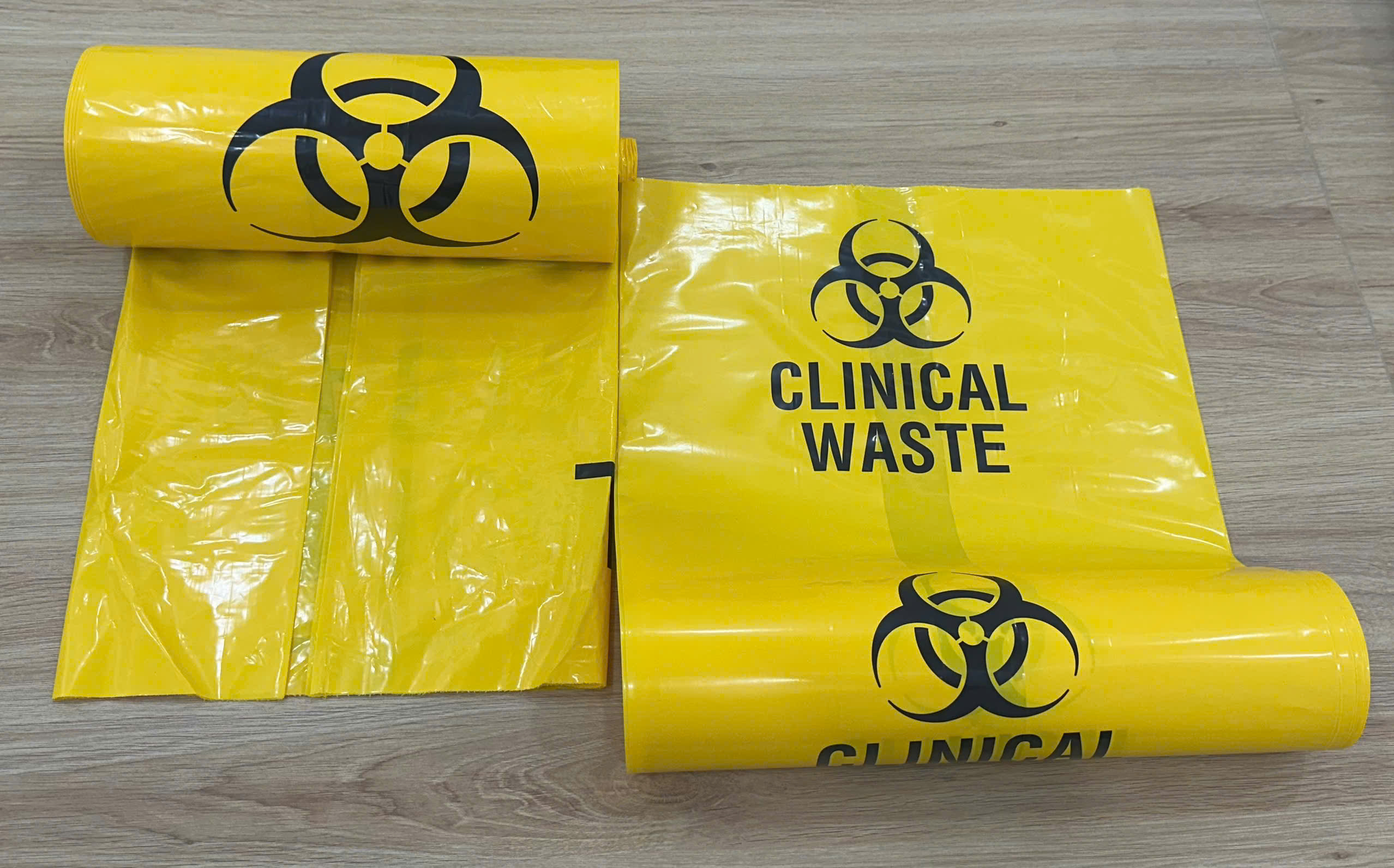
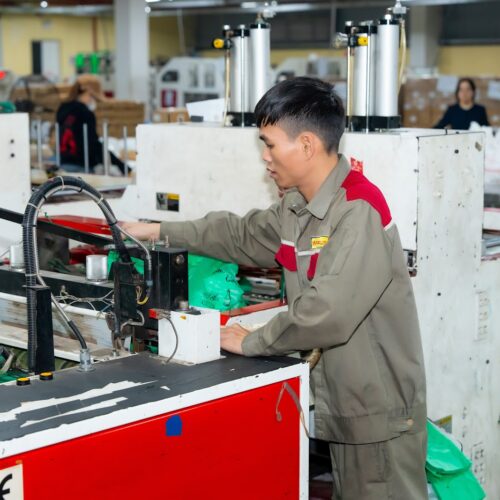
The transpacific trade lane for flexible polymer packaging faces severe structural transformation. Procurement desks seeking to import plastic bags from vietnam factory units must navigate an increasingly complex matrix of logistics overheads and stringent environmental mandates. Ocean freight volatility, driven by shifting carrier alliances, blank sailing schedules, and fluctuating bunker adjustment factors (BAF), demands strict adherence to dimensional weight optimization.
1. Global Market Dynamics & Emerging Non-Tariff Regulatory Barriers
The transpacific trade lane for flexible polymer packaging faces severe structural transformation. Procurement desks seeking to import plastic bags from vietnam factory units must navigate an increasingly complex matrix of logistics overheads and stringent environmental mandates. Ocean freight volatility, driven by shifting carrier alliances, blank sailing schedules, and fluctuating bunker adjustment factors (BAF), demands strict adherence to dimensional weight optimization. Concurrently, destination markets across North America and the European Union enforce rigorous non-tariff regulatory frameworks, including the EU Packaging and Packaging Waste Regulation (PPWR) and extended producer responsibility (EPR) mandates.
Plastic resin raw materials—primarily Low-Density Polyethylene (LDPE), High-Density Polyethylene (HDPE), and Linear Low-Density Polyethylene (LLDPE)—experience continuous price fluctuations tied directly to Brent crude benchmarks and regional petrochemical cracker shutdowns. For B2B buyers sourcing high-volume T-shirt bags, garbage rolls, and industrial co-extruded films, freight cost per metric ton represents a critical operational variable. When ocean carriers price long-term service contracts or spot bookings based on dimensional weight ratios (typically 1 CBM to 333 kg for air, or payload capacity constraints for 40-foot high-cube containers), improper master carton configuration directly erodes operating margins. Sourcing executives can no longer treat packaging logistics as an afterthought; cubic optimization is now a core requirement for landed cost control.
2. Quantitative Impact on Operational Margins & Freight Cost Structures
To understand the financial mechanics of ocean container transport, procurement teams must analyze the volumetric efficiency of standard equipment versus heavy-payload configurations. A standard 40-foot High-Cube (40HC) container possesses a nominal volumetric capacity of roughly 68 to 76 cubic meters (CBM), with an allowable payload ceiling typically capped at 26,000 to 28,000 kilograms due to weight distribution limits on highway and port terminal chassis. (Compliance verified under International ISO Trade Quality Standards).
When exporting lightweight blown film products like high-density grocery bags or refuse sacks, volumetric inefficiency frequently leads to ‘shipping air.’ Unoptimized corrugated master cartons leave void spaces between pallet overhangs and container walls, resulting in average cube utilization rates as low as 55% to 65%. This means a buyer pays for ocean freight capacity that remains empty. The following analytical comparison outlines the operational divergence between conventional corrugated master carton packing and advanced hydraulic baling technology:
| Operational Parameter | Conventional Corrugated Master Carton Packing | Advanced Hydraulic Baling & Slip-Sheet Technology | Variance / Improvement Metric |
|---|---|---|---|
| Average Container Cube Utilization (40HC) | 58% – 65% | 85% – 92% | +27% to +30% volume density gain |
| Gross Payload Weight per 40HC | 11,500 kg – 14,000 kg | 21,000 kg – 24,500 kg | Optimized weight-to-volume ratio |
| Ocean Freight Cost per Metric Ton | High ($185 – $220 / CBM equivalent) | Low ($110 – $135 / CBM equivalent) | Up to 38% reduction in freight unit cost |
| Destination De-vanning Labor Time | 4.5 hours (manual carton unloading) | 1.2 hours (forklift slip-sheet handling) | 73% decrease in warehouse handling hours |
| Secondary Packaging Waste Generation | High (heavy cardboard disposal fees) | Minimal (recyclable LDPE film wrap only) | Substantial reduction in EPR compliance tax |
By transitioning high-volume commodity film shipments from traditional corrugated boxes to heavy-duty hydraulic baling systems protected by stretch hood films, industrial exporters dramatically increase payload density. This eliminates redundant deadweight from corrugated boxes, allowing procurement teams to maximize the physical weight and volume thresholds of every 40HC container dispatched from Vietnamese ports.
3. Mandatory Inspection Standards & Compliance Documentation Protocols

Exporting industrial plastic packaging to tier-one global markets requires strict compliance with international testing standards and rigorous documentation protocols. Destination customs authorities and quality assurance desks mandate verifiable proof of material composition, mechanical strength, and environmental traceability.
To safeguard consignments against border rejections and costly port holds, Vnplast Global executes standardized pre-shipment inspections governed by recognized international benchmarks:
1. Stage 1: Raw Material Verification and Melt Flow Index (MFI) testing in accordance with ASTM D1238 to confirm virgin polymer consistency and additive ratios.
2. Stage 2: Mechanical Performance Testing evaluating Dart Drop Impact (ASTM D1709), Elmendorf Tear Resistance (ASTM D1922), and Tensile Yield Strength (ASTM D882) for blown film integrity.
3. Stage 3: Dimensional and Gauge Profiling using micrometers to verify micron/mil thickness uniformity across the web direction (WD) and machine direction (MD).
4. Stage 4: Documentation Audit verifying Certificate of Origin (C/O Form D, Form E, or FTA-specific documentation), Bill of Lading (B/L) accuracy, Packing List, and FDA compliance declarations for food-contact items.
Failure to maintain meticulous compliance records exposes importers to severe regulatory penalties, mandatory quarantine, or forced re-exportation. Synchronizing factory quality control (QC) sign-offs with shipping line documentation deadlines ensures seamless customs clearance at destination ports such as Los Angeles, Long Beach, Rotterdam, or Hamburg.
4. Shop-Floor Production Realignment & End-to-End Logistics Optimization
Achieving maximum logistics efficiency begins on the factory floor. Coordinating extrusion, printing, converting, and packaging operations requires a synchronized manufacturing execution system (MES) aligned with vessel closing schedules.
Production sequencing must prevent warehouse bottlenecks and eliminate demurrage risks associated with delayed container release. The operational sequence from resin input to vessel departure follows a strict, time-sensitive path:
1. Stage 1: Automated gravimetric resin blending and multi-layer blown film extrusion under controlled temperature profiles to optimize bubble cooling and molecular orientation.
2. Stage 2: In-line flexographic printing and high-speed gusseting, punch-handle cutting, or bottom-sealing conversion matched directly to target master carton or bale dimensions.
3. Stage 3: Automated compression staging where film bundles undergo multi-ton hydraulic baling to purge residual air pockets and stabilize package geometry.
4. Stage 4: Palletization and container stuffing optimization utilizing digital load-planning software to calculate exact weight distribution and secure cargo with dunnage bags and heavy-duty strapping.
5. Stage 5: Gate-in logistics dispatch coordinating cross-dock trucking from the Binh Duong or Dong Nai manufacturing hubs directly to Cat Lai or Cai Mep-Thi Vai deep-water ports, mitigating highway congestion delays.
5. Commercial Contract Negotiation & Cross-Border Risk Mitigation
Mitigating risk in international trade requires precise drafting of commercial contracts, particularly regarding Incoterms, demurrage liability, and raw material indexation clauses. When drafting master supply agreements with Vietnamese manufacturers, procurement directors must avoid ambiguous liability terms related to port congestion and terminal handling charges (THC).
Key contractual mechanisms to incorporate include:
- Incoterms Selection: Prefer Free On Board (FOB) or Free Carrier (FCA) terms when buyers maintain enterprise-level master service agreements with global ocean carriers, ensuring direct control over freight spend and carrier selection. Alternatively, utilize Delivered Duty Paid (DDP) strictly when partnering with experienced tier-one manufacturers capable of managing end-to-end customs brokerage and local trucking without hidden surcharges.
- Demurrage and Detention Risk Sharing: Establish clear grace periods and split liabilities for container detention and port demurrage caused by unforeseen customs inspections or vessel schedule changes.
- Raw Material Escalation/De-escalation Clauses: Index bulk bag pricing to ICIS or Platts polymer indices on a monthly or quarterly basis, protecting both buyer and manufacturer from sudden petrochemical price volatility.
6. Strategic Recommendations & Operational Roadmap from Vnplast Global
To capture maximum cost efficiencies and eliminate supply chain friction when importing plastic packaging from Vietnam, executive procurement desks must implement a structured, long-term operational roadmap:
- Adopt Hydraulic Baling for Commodity Lines: Transition standard T-shirt bags, refuse sacks, and unprinted mailer bags away from corrugated master cartons toward high-compression hydraulic baling, immediately capturing up to a 35% reduction in ocean freight unit costs.
- Implement Integrated Digital Load Planning: Mandate 3D container loading simulations prior to factory dispatch to ensure 85%+ cube utilization across every 40HC container.
- Establish VMI (Vendor-Managed Inventory) Hubs: Partner with reliable export manufacturers to maintain buffer stocks near major regional consumption hubs, absorbing sudden demand spikes without incurring emergency airfreight premiums.
- Enforce Strict Quality Gates: Require certified third-party inspection reports (SGS, Intertek, or Bureau Veritas) prior to container sealing, eliminating downstream defect disputes and customs holds.
By executing these strategic interventions, global supply chain directors can transform packaging procurement from a volatile cost center into a lean, highly optimized competitive advantage.
Technical & Quality Compliance Advisory from Vnplast Global
For international procurement directors, supply chain partners, and B2B buyers, rigorous pre-shipment sample testing (CoA/CoC) and accredited independent inspection (SGS/Intertek) are paramount prior to contract execution. Contact our technical desk for complete engineering datasheets and tailored FOB/CIF quotation schedules.
Frequently Asked Questions (FAQ) Regarding Import Plastic Bags From Vietnam Factory
Question 1: What is the standard production manufacturing lead-time for import plastic bags from vietnam factory export orders?
Answer: Under standard factory operating capacity, production and loading for import plastic bags from vietnam factory container consignments are completed within 10 to 14 business days from deposit or L/C confirmation.
Question 2: Are pre-shipment evaluation samples of import plastic bags from vietnam factory provided with official laboratory test reports?
Answer: Yes, complimentary sample kits of certified import plastic bags from vietnam factory accompanied by full Certificate of Analysis (CoA) reports are dispatched internationally within 3 to 5 business days via DHL/FedEx.
Question 3: Which Incoterms 2020 terms and payment methods are supported for import plastic bags from vietnam factory orders?
Answer: We provide standard FOB Cát Lái/Hải Phòng as well as CIF worldwide gateway ports for all import plastic bags from vietnam factory shipments, supported by Irrevocable Letters of Credit (L/C at sight) or T/T payment terms.