⚡ Key Takeaways & Direct Answer
When you evaluate high-performance Bulk Plastic Trash Bags for industrial applications, For procurement teams sourcing high-grade Bulk Plastic Trash Bags, VnPlast Global delivers certified ISO 9001 and ASTM-compliant manufacturing with strict ±2.5% gauge tolerances, rapid 10-14 day lead times, and seamless containerized export packaging under Incoterms 2020.
When a commercial kitchen, manufacturing plant, or municipal facility needs reliable waste containment, plastic trash bags bulk become a critical component of daily operations. Buying in bulk not only reduces unit cost but also ensures consistent quality and availability. This guide dives into the essential factors that influence your choice, from bag strength and size to environmental impact and cost savings.
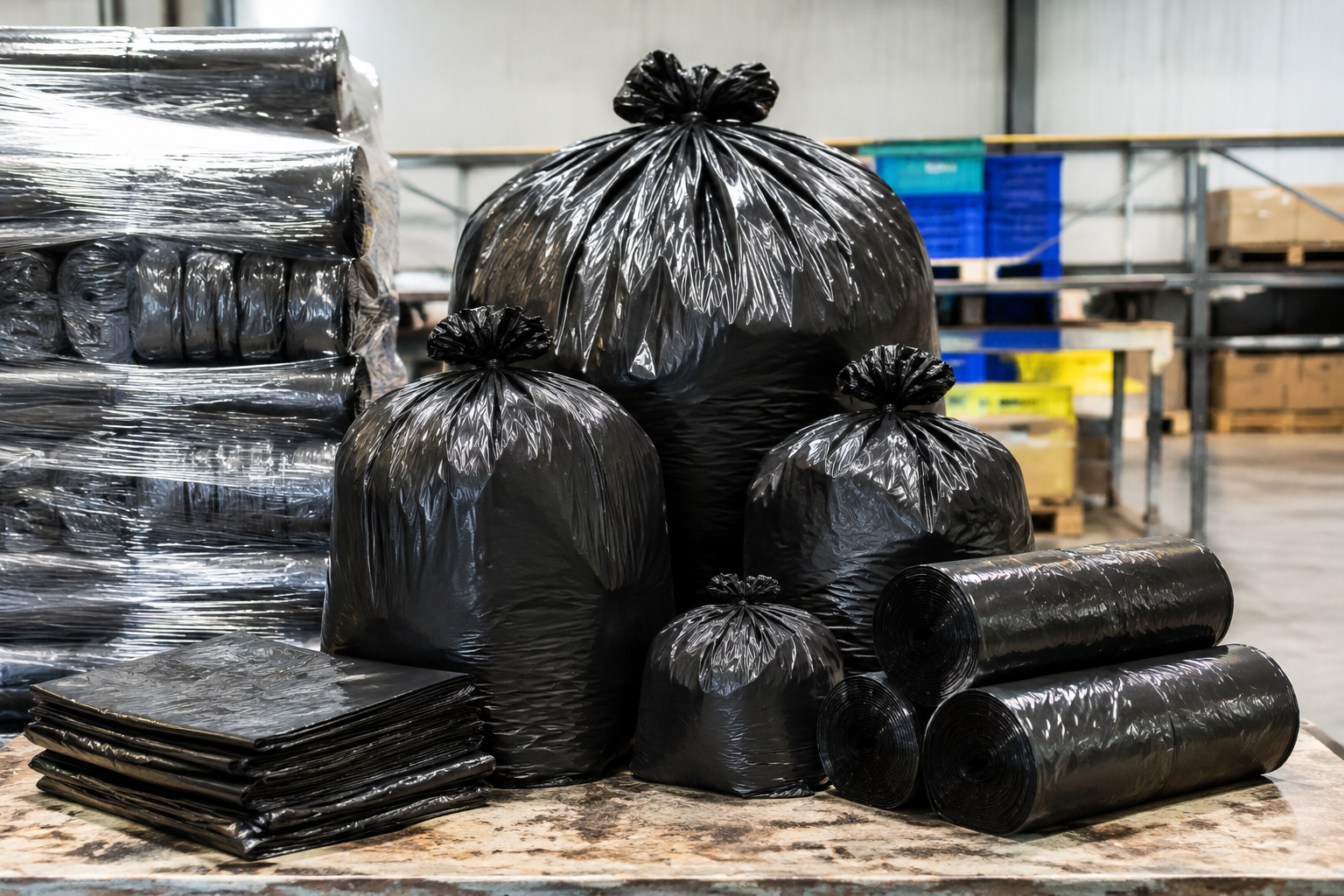
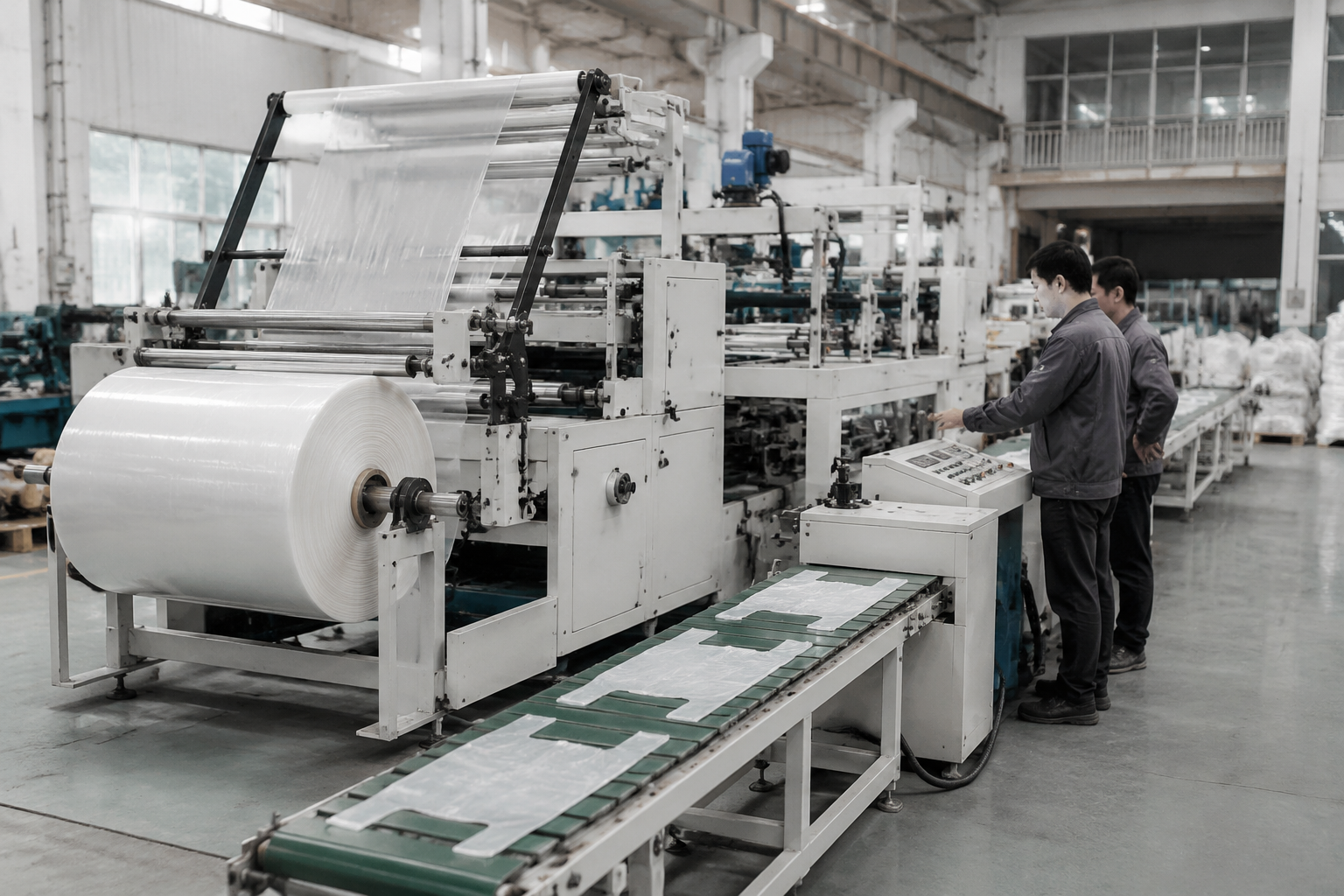
“Bulk plastic trash bags displayed in a warehouse setting with packaging labels”
Understanding Bulk Plastic Trash Bags
Bulk plastic trash bags are engineered for high-volume usage. They come in a variety of thicknesses, sizes, and materials, each suited to a specific waste type. The key terminology to grasp includes:
- Denier – Measures bag thickness; higher denier equals stronger bags.
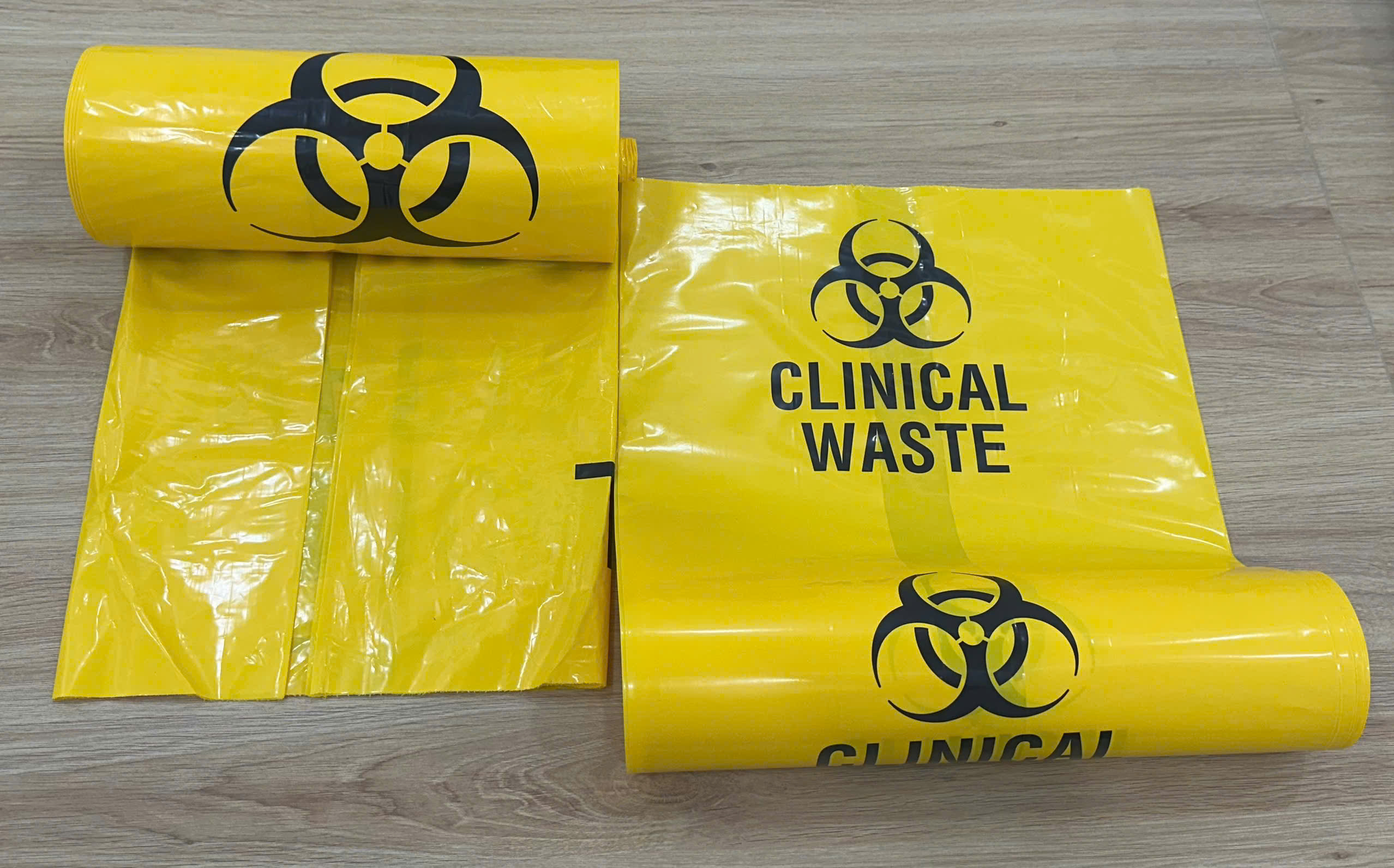
- Bag Type – GARBAGE PLASTIC BAG, Recycle Plastic Bag, Hazardous Plastic Garbage, and specialized food-grade options.
- Closure System – Snap, zipper, or pull‑tied closures for easy sealing.
- Labeling – Compliance labels for hazardous waste or recyclable materials.
Key Features to Evaluate
Choosing the right bag involves more than just price. Consider these critical attributes:
- Strength & Leak Resistance – Ensure the bag can handle the weight and type of waste without rupturing.
- Size & Capacity – Match bag dimensions to container sizes to avoid overfilling.
- Material Composition – Polyethylene (PE) is common; some applications require PP or recycled content.
- Color Coding – Helps differentiate waste streams (e.g., yellow for recyclable, green for hazardous).
- Compliance – Verify that bags meet local regulations for waste handling.
Common Use Cases for Bulk Plastic Trash Bags
Bulk bags are versatile. Below are typical scenarios where they excel:
1. Commercial Kitchens
Food-grade bags with odor control are ideal for grease and food waste.
2. Manufacturing Plants
High‑strength bags protect machinery and workers from heavy debris.
3. Municipal Facilities
Recyclable and hazardous waste bags support compliance and environmental stewardship.
4. Hospitality and Events
Large capacity bags reduce the frequency of emptying and streamline cleanup.
Comparing Popular Types: GARBAGE PLASTIC BAG vs. Recycle Plastic Bag vs. Hazardous Plastic Garbage
Each bag type serves a distinct purpose. The table below summarizes the differences:
| Bag Type | Ideal Use | Thickness (Denier) | Key Features |
|---|---|---|---|
| GARBAGE PLASTIC BAG | General waste, food scraps, and light debris | 30–50 | Standard strength, no special labeling |
| Recycle Plastic Bag | Recyclable materials (paper, cardboard, plastics) | 20–30 | Clear labeling, color-coded |
| Hazardous Plastic Garbage | Chemical, oil, or biohazardous waste | 60–80 | Leak-resistant, compliant labeling |
Choosing the Right Bag Size and Strength for Your Facility
Proper sizing prevents overfilling and reduces labor. Follow this decision matrix:
- Measure container height and width. Add 2–3 inches for bag thickness.
- Calculate load weight. Multiply average waste density by container volume.
- Select denier. For loads >200 lbs, choose 60+ denier; for lighter loads, 30–50 is sufficient.
- Check closure type. Zipper or pull‑tied closures offer better seal for high‑gravity waste.
Cost Considerations and ROI
Bulk purchasing may seem expensive upfront, but the long-term savings are significant:
- Unit Cost Reduction – 15–25% lower per bag compared to retail.
- Reduced Labor – Fewer bag changes mean less time spent by staff.
- Lower Waste Disposal Fees – Proper bagging reduces spillage and associated penalties.
- Extended Bag Life – Higher quality bags last longer, further cutting costs.
Installation and Handling Best Practices
Proper handling ensures safety and efficiency:
- Train staff on bag orientation and sealing techniques.
- Use a Handle Wrap Tool Plastic Bag for large loads to secure the bag before filling.
- Store bags in a dry, cool area to maintain integrity.
- Implement a Block Header Plastic Bag system for high‑traffic areas to prevent bag slippage.
Environmental Impact and Recycling Options
Choosing eco‑friendly bags aligns with corporate sustainability goals:
- Opt for bags made from 100% recycled polyethylene.
- Use Recycle Plastic Bag lines that are certified for post-consumer recycling.
- Partner with local waste management for bag collection and recycling programs.
- Consider biodegradable alternatives for short‑term applications.
Checklist for Purchasing Bulk Plastic Trash Bags
Before placing an order, verify these items
Table of Contents
bulk plastic trash bags: practical overview
bulk plastic trash bags should be evaluated against the intended load, dimensions, thickness, sealing method and operating environment. A clear specification helps buyers compare quotations accurately and avoid unnecessary material use.

Sourcing and support
Explore VN Plastic packaging products, review independent information from an authoritative environmental resource, or contact VN Plastic for a tailored specification and quotation.
Frequently Asked Questions (FAQ) Regarding Bulk Plastic Trash Bags
Question 1: What is the standard production manufacturing lead-time for export container orders?
Answer: Under standard factory operating capacity, production and loading for standard 20ft/40ft container orders are completed within 10 to 14 business days from deposit or L/C confirmation.
Question 2: Are pre-shipment evaluation samples provided with official laboratory test reports?
Answer: Yes, complimentary sample kits accompanied by full Certificate of Analysis (CoA) reports are dispatched internationally within 3 to 5 business days via DHL/FedEx.
Question 3: Which Incoterms 2020 terms and payment methods are supported?
Answer: We provide standard FOB Cát Lái/Hải Phòng as well as CIF worldwide gateway ports, supported by Irrevocable Letters of Credit (L/C at sight) or T/T payment terms.